Error Codes


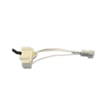
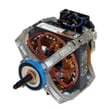
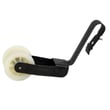
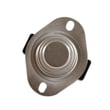
How do I find the part number for my dryer?
For your Kirkland dryer model SGDS800MQ0, the fastest way to get the right part number is to start with the model number, then match the part by name and location on the dryer (belt, door switch, thermostat, igniter). If you already know the failed part, you can also match it directly to a listed replacement.
Step-by-step: how we recommend finding the correct part number
- Confirm the dryer model number is SGDS800MQ0 (use the full model number, not a partial).
- Identify the failed part by function and symptom (no heat, won’t start, squealing, drum not turning).
- Match the part by part name and part ID when ordering.
- Compare any numbers printed on the old part (sticker, stamping) to the replacement listing.
- If multiple similar parts exist, match by where it mounts (door area, burner assembly, blower housing, drum support).
Common SGDS800MQ0 parts customers look up first
If you are troubleshooting a symptom, these are common starting points for this model:
| Symptom | Likely part to check | Example part for SGDS800MQ0 |
|---|---|---|
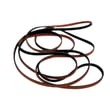
| Drum won’t turn | Belt or idler pulley | Dryer drum belt 341241 |
| Dryer won’t start when door closes | Door switch or latch strike | Dryer door switch WP3406107 |
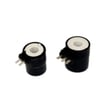
| Gas dryer won’t heat | Igniter, coils, radiant sensor | Dryer gas valve coil kit 279834 |
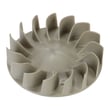
| Long dry times | Airflow parts, thermostats | Dryer blower wheel WP694089 |
Tips to avoid ordering the wrong part
- Use the model number SGDS800MQ0 first, then select the part from the model’s parts list.
- Match the part ID exactly (example: WP3406107), not just a similar-looking photo.
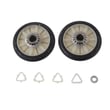
- Replace wear items in sets when it makes sense (belt, idler, rollers); a kit can prevent repeat tear-downs.
Why it matters
Dryer parts often look similar across brands and revisions. Matching by model number + part ID helps ensure fit, correct wiring terminals, and proper burner or drum operation.
Last updated: February 2026
Is it worth replacing the heating element in a dryer?
Yes, it’s usually worth replacing a dryer heating element when the dryer is otherwise in good shape because the repair cost is typically far less than replacing the whole appliance. For the Kirkland SGDS800MQ0, first confirm whether you have a gas or electric heat system because gas dryers do not use a traditional heating element.
Quick decision guide
- Worth it when the drum turns normally, airflow is strong, and the dryer is under about 10 years old.
- Worth it when the problem is isolated to “no heat” and the rest of the dryer runs.
- Not worth it when the dryer has multiple major issues (won’t start, loud grinding, burning smell, poor airflow).
- Not worth it when the cabinet is badly rusted or the drum support parts are failing repeatedly.
What to check first (before buying parts)
- Clean the lint screen and confirm strong airflow at the outside vent.
- Verify the cycle and temperature settings (some cycles use low heat).
- Determine dryer type:
- Gas dryer: common no-heat causes include coils, igniter, or radiant sensor.
- Electric dryer: common no-heat causes include the heating element, thermostats, or thermal cut-off.
Common “no heat” parts for SGDS800MQ0 (gas models)
If your SGDS800MQ0 is gas, these parts are frequent fixes:
| Symptom | More likely cause | Typical next step |
|---|---|---|
| Runs but no heat, then heats briefly and quits | Gas valve coils | Replace coil kit |
| No glow at burner | Igniter or thermal safety | Test igniter and safety devices |
| Igniter glows but no flame | Radiant sensor or gas valve issue | Test sensor, then gas valve |
Why it matters
Replacing the correct heating component restores proper drying times, reduces energy waste, and helps prevent overheating from restricted airflow. If you replace a “heat” part without fixing venting, the new part can fail early.
Related help: gas dryer wont heat troubleshooting video
Last updated: February 2026
What are common dryer part failures?
On the Kirkland SGDS800MQ0 dryer, the most common part failures fall into four areas: heat production, drum tumbling, airflow, and starting/control. These problems typically show up as “no heat,” “won’t start,” “won’t tumble,” loud squealing/thumping, or shutting off from overheating.
Most common failures (by symptom)
- No tumble or squealing noise: worn belt, idler pulley, drum support parts
- Runs but no heat (gas models): igniter, gas valve coils, radiant sensor, high-limit thermostat
- Stops mid-cycle or overheats: restricted venting, high-limit thermostat opening, airflow issues
- Won’t start: door switch, timer, motor, thermal protection trips
Parts on SGDS800MQ0 that commonly fix these issues
| Symptom | Likely failed part | What you’ll notice |
|---|---|---|
| Drum won’t turn | Dryer drum belt 341241 | Motor runs but drum stays still, or belt snaps suddenly |
| Door must be slammed to run | Dryer door switch WP3406107 | Dryer won’t start unless you hold the door closed |
| Heats once then quits heating | Dryer gas valve coil kit 279834 | Flame starts then drops out after a few minutes |
| No ignition at all | Igniter 279311 | No flame, often no “whoosh” at startup |
| Long dry times | Dryer blower wheel WP694089 | Weak airflow, clothes stay damp, lint buildup increases |
Quick checks we recommend before buying parts
- Clean the lint screen and confirm strong airflow at the outside vent hood.
- Run a timed dry cycle and listen: motor hum, drum movement, and burner ignition sounds.
- Check the door closure and latch alignment; a weak switch can mimic bigger failures.
- If dry times are long, inspect the vent path for kinks, crushed flex duct, or lint blockage.
- If the dryer tumbles but won’t heat, focus on the ignition and gas heat components first.
Why it matters
A single failed part (like a belt or gas valve coils) can stop drying completely, but airflow restrictions can also cause overheating, repeated shutdowns, and premature failure of thermostats and other heat-related components.
Related DIY help
Last updated: February 2026
What does energy preferred mean?
On the Kirkland SGDS800MQ0 dryer, Energy Preferred is a cycle setting designed to reduce energy use by using lower heat and relying more on automatic dryness sensing (when equipped) to stop the cycle when clothes are dry. It typically runs longer than high-heat timed drying but uses less energy overall.
What you should expect from Energy Preferred
- Lower average heat than “Regular” or “High heat” cycles
- Longer dry times, especially with heavy loads (towels, jeans)
- Better protection against overdrying and shrinkage
- Best results when the lint screen and venting are clean
When to use it (and when not to)
Use Energy Preferred when you want efficient everyday drying for mixed fabrics.
| Laundry type | Recommended setting | Why |
|---|---|---|
| Mixed loads (cotton blends) | Energy Preferred | Balanced drying with less energy |
| Heavy towels/denim | Higher heat or longer auto cycle | Needs more heat and airflow |
| Small quick loads | Timed dry (short) | Faster finish |
| Delicates | Low heat | Reduces heat stress |
If Energy Preferred is taking too long
Long dry times are usually airflow-related, not a problem with the label itself.
- Clean the lint screen before every load
- Check that the outside vent hood opens fully
- Avoid crushing or kinking the vent hose
- Do not overload the drum; clothes need room to tumble
- If airflow is weak, follow the steps in dryer takes a long time to dry
Why it matters
Energy Preferred can save energy and reduce fabric wear, but it depends on good airflow. If the dryer struggles to move air, even efficient cycles will run longer and may leave clothes damp.
Last updated: February 2026
Will my dryer work without the moisture sensor?
Yes. Your Kirkland dryer model SGDS800MQ0 will still run without a working moisture sensor, but Auto/Sensor Dry will not dry correctly; use Timed Dry until you repair the sensor circuit so the dryer doesn’t stop early or run longer than needed.
What changes when the moisture sensor isn’t working
When the sensor can’t “read” dampness, the control can’t accurately end an automatic cycle.
- Timed Dry works because you set the run time manually.
- Auto/Sensor Dry can end too soon (clothes still damp).
- Auto/Sensor Dry can run too long (overdrying, extra wear, wasted gas).
- Drying results become inconsistent from load to load.
Quick checks we recommend first
Before replacing parts, rule out common causes that mimic a bad sensor.
- Clean the lint screen and confirm strong airflow at the outside vent hood.
- Avoid dryer sheets residue on the sensor bars (wipe with rubbing alcohol and a soft cloth).
- Check for a pinched or crushed vent hose behind the dryer.
- If the dryer is gas and heat is inconsistent, inspect ignition components.
If you also have “no heat” symptoms (gas models)
A moisture-sensor issue won’t usually cause a true no-heat condition. If SGDS800MQ0 tumbles but won’t heat, these parts are common fixes:
| Symptom | More likely cause | Example part for this model |
|---|---|---|
| Ignites once, then stops heating | Weak gas valve coils | Dryer gas valve coil kit 279834 |
| No ignition at all | Failed igniter | Igniter 279311 |
| Igniter glows, no flame | Radiant sensor or gas valve issue | Dryer radiant sensor WP338906 |
Why it matters
Auto/Sensor cycles are designed to protect fabrics and save energy by stopping at the right dryness level. When the moisture sensor circuit is open, shorted, or coated, the dryer can’t “know” when to shut off, so performance and efficiency drop.
Helpful DIY guidance
For step-by-step troubleshooting that matches common gas-dryer symptoms, use gas dryer wont heat troubleshooting video.
Last updated: February 2026