


What is the life expectancy of a portable ice maker?
Most portable countertop ice makers last 5 to 7 years with normal use. With consistent cleaning, good ventilation, and better water quality, many units reach 8 to 10 years; heavy scale buildup and poor airflow are the most common reasons they fail early.
| Ice maker type | Typical life expectancy | What shortens it fastest |
|---|---|---|
| Portable/countertop ice maker | 5 to 7 years | Mineral scale, poor ventilation, dirty condenser/fan |
| Built-in refrigerator ice maker system (like GE WR30X0327 kit applications) | 7 to 10 years | Freezing fill tube, worn inlet valve, stripped mounting hardware |
- Clean and descale regularly (frequency depends on water hardness and usage).
- Use filtered water to reduce mineral deposits and slime.
- Keep vents clear; leave space around the unit so the condenser can shed heat.
- Empty and dry the reservoir if the unit will sit unused for more than a few days.
- Avoid overfilling the ice bin; it can cause jams and extra wear.
- Ice production slows even after cleaning and descaling.
- Ice cubes get smaller or hollow repeatedly.
- Water leaks from the base or around fittings.
- Loud grinding, fan noise, or frequent cycling.
- Persistent “no ice” behavior after basic checks (power, water level, room temperature).
A portable ice maker is a small refrigeration system; once scale and heat buildup increase, the compressor and pump work harder, which shortens life. Preventive cleaning and airflow protection usually add years of reliable ice production.
If you are troubleshooting a GE refrigerator ice maker kit setup that uses WR30X0327-RELATED hardware, replacing stripped or missing mounting fasteners can also prevent vibration and alignment issues; see parts like the refrigerator plate screw WR29X5135 when applicable.
Last updated: February 2026
What are the parts of the ice maker machine?
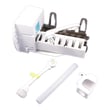
An ice maker system like the GE WR30X0327 ice maker kit is built from a water-fill side, a freezing and harvest side, and mounting hardware. On this model page, the listed replacement items are primarily installation and mounting parts such as screws and a plate.
Most refrigerator ice maker assemblies include these functional groups:
- Water fill components: inlet valve (in the refrigerator), fill tube, and fittings that deliver water to the mold
- Ice mold and heater: mold that freezes water plus a small heater to help release cubes during harvest
- Drive and harvest mechanism: motor/module and ejector arms that push ice out of the mold
- Controls and sensing: thermostat/thermistor, shutoff arm or optical sensor (varies by design)
- Ice handling: ice bucket/bin and dispenser chute parts (on dispenser models)
These are the specific parts currently listed for this GE water and ice system page:
- Refrigerator plate screw WR29X5135
- Refrigerator screw WR29X5140
- Refrigerator screw WR29X5112
- Refrigerator plate WR30X10093
| Part | What it typically does | When you replace it |
|---|---|---|
| Plate | Supports or mounts the ice maker kit components | Bent, cracked, stripped mounting points, or during kit replacement |
| Screws | Secure the plate and related hardware | Missing, rusted, stripped heads, or threads won’t hold |
Knowing the difference between functional ice-making parts (valves, mold, motor/module, sensors) and mounting hardware (plate and screws) helps you avoid replacing the wrong item when you have symptoms like no ice, small cubes, leaking, or a loose ice maker assembly.
Last updated: February 2026
How to reset water dispenser on GE refrigerator ice maker?
For a GE WR30X0327 water and ice system (ice maker kit), a “reset” is usually done by power-cycling the refrigerator and then re-priming the dispenser; many GE units do not have a dedicated water-dispenser reset button. After reset, run water to clear air and confirm the ice maker cycles normally.
- Turn the refrigerator off at the breaker (or unplug it) for 2 minutes.
- Restore power and wait 3 to 5 minutes for controls to stabilize.
- Dispense water for 2 to 3 minutes total (in short bursts) to purge air.
- If you replaced a filter recently, keep dispensing until flow is steady.
- Wait up to 24 hours for normal ice production after any interruption.
Most “no water” complaints are flow or control related, not the WR30X0327 kit itself.
- Confirm the household shutoff valve is fully open.
- Check for a kinked or frozen water line (especially at the door hinge area).
- Replace or reseat the water filter if flow is weak.
- Listen for the inlet valve humming when you press the dispenser paddle.
- Inspect for loose or damaged wiring at the dispenser switch area.
| What you see | What it usually means | What to do |
|---|---|---|
| Water sputters, then steadies | Air in the line | Keep dispensing until steady |
| No sound from valve | Switch/control not calling for water | Check dispenser switch and wiring |
| Valve hums, no water | Blocked line, closed valve, frozen tube | Check supply, thaw frozen section |
Resetting and re-priming clears trapped air and helps you separate a simple interruption from a real failure (like a frozen reservoir, clogged filter, or wiring issue). For electrical checks, our guide on how to use a multimeter to test electrical parts video helps you test safely and accurately.
Last updated: February 2026
Why is my water dispenser working but no ice?
If your GE WR30X0327 ice maker kit dispenses water but won’t make ice, the refrigerator is getting water supply, but the ice-making side is being blocked by a frozen fill tube, a failed ice maker module, a shutoff condition, or a temperature issue in the freezer.
- Confirm the ice maker is turned ON and the shutoff arm (or switch) is in the down/on position.
- Make sure the freezer is cold enough; most ice makers need about 0°F to 5°F to cycle reliably.
- Look for a frozen fill tube where water enters the ice maker; thaw it and check for re-freezing.
- Dump old cubes and check for a jammed ejector or clumped ice in the mold.
- Verify the water line to the refrigerator is fully open and the supply line is not kinked.
- Replace the water filter if flow seems weak or the filter is overdue (a restricted filter can affect ice fill even when the dispenser still works).
The dispenser and ice maker share the home water supply, but they rely on different components and conditions.
| Symptom | Most likely cause | What to do next |
|---|---|---|
| Dispenser strong, no ice at all | Ice maker turned off, freezer too warm, ice maker failure | Check ON/OFF, verify freezer temp, then test/replace ice maker kit parts |
| Dispenser OK, ice maker cycles but cubes are hollow/small | Low fill volume, restricted filter, partially blocked fill tube | Check filter, thaw fill tube, confirm supply valve is fully open |
| No ice and you see ice buildup at fill area | Fill tube freezing or seeping valve | Thaw tube; if it refreezes, inspect valve and ice maker fill behavior |
If you’re opening the ice maker area for inspection or replacement, these parts are commonly involved in reassembly:
- Refrigerator plate WR30X10093 (mounting/plate component used with the kit)
- Refrigerator plate screw WR29X5135 (fastener used to secure components)
- Refrigerator screw WR29X5140 (fastener used in the assembly)
An ice maker can stop producing ice even when the dispenser works because ice production depends on freezer temperature, a clear fill path, and the ice maker’s internal cycling. Fixing the root cause prevents repeat freezing, small cubes, and water leaks around the ice maker area.
Last updated: February 2026
What is the most common problem with GE refrigerators ice maker?
The most common GE refrigerator ice maker problem is no ice production because the ice maker is not getting water (shutoff valve closed, frozen/blocked fill tube, clogged filter, or a weak water inlet valve) or the freezer is too warm to cycle properly. For the GE ice maker kit WR30X0327, start by confirming temperature and water supply.
- No ice at all: water supply issue, frozen fill tube, failed inlet valve, or ice maker not cycling
- Small or hollow cubes: restricted water flow (filter or supply line)
- Ice clumps or jams: cubes not ejecting cleanly, frost buildup, or bin/auger interference
- Overflow or leaking into the bin: inlet valve not closing fully or fill tube misaligned
- Clicking/grinding: stalled ejector mechanism or ice jam
- Freezer temperature: keep it around 0°F; ice makers often struggle when the freezer is above 10°F.
- Water supply: confirm the household shutoff valve is fully open and the supply line is not kinked.
- Fill tube: look for ice blocking the tube that fills the ice maker; clear any freeze-up.
- Ice maker on/off: make sure the shutoff arm or switch is in the ON position.
- Look for obvious loose hardware: if the ice maker assembly is shifting, check mounting points and fasteners.
If you are reinstalling the kit or correcting a loose mount, these model-listed parts are commonly involved:
| Part | What it’s used for | When to consider it |
|---|---|---|
| Refrigerator plate WR30X10093 | Mounting/plate component for the ice maker kit | Ice maker sits crooked, won’t align, or was removed for service |
| Refrigerator plate screw WR29X5135 | Secures plate/brackets | Stripped head, missing screw, loose mounting |
| Refrigerator screw WR29X5140 | General mounting screw | Missing/stripped fastener during reinstall |
| Refrigerator screw WR29X5112 | General mounting screw | Missing/stripped fastener during reinstall |
Ice makers are temperature and water-flow dependent. If the freezer is even slightly warm or water flow is restricted, the mold will not fill correctly or the harvest cycle will not complete, which looks like a “dead” ice maker.
Last updated: February 2026