Installation guide
 Owner’s manual
 Error Codes


What brand of dryer lasts the longest?
In our experience, the longest-lasting dryers are typically built by Speed Queen and Whirlpool, with Maytag also ranking high; longevity comes most from simple design, solid airflow, and consistent maintenance. For your Whirlpool WGD5500ST0 gas dryer, good venting and regular lint cleaning do the most to extend service life.
What “lasts the longest” usually means
Dryer lifespan is driven more by heat management and airflow than by the logo on the door.
- Typical dryer lifespan: 10 to 13 years
- Most common life-shorteners: restricted venting, overheating, heavy lint buildup, and worn drum support parts
- Best value for longevity: a well-vented, regularly cleaned dryer with timely replacement of wear items
Brand longevity snapshot (real-world expectations)
| Brand | Typical longevity reputation | Why it tends to last |
|---|---|---|
| Speed Queen | Highest | Commercial-style build, fewer “extras” |
| Whirlpool | High | Proven platform, widely available parts |
| Maytag | High | Similar durable designs, strong parts support |
| Others | Varies by model | Electronics and airflow design vary widely |
How to make a Whirlpool WGD5500ST0 last longer
We recommend focusing on airflow first, then wear parts.
- Follow vent length and elbow limits in the WGD5500ST0 installation guide
- Use 4-inch metal venting and the straightest route possible
- Clean the exhaust vent at least every 2 years (more often with heavy use)
- Avoid screws or duct tape inside the vent joints (they catch lint)
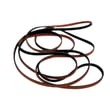
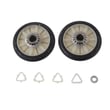
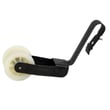
- Replace common wear items before they cause secondary damage (belt, idler pulley)
Parts that commonly affect longevity
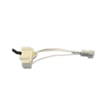
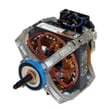
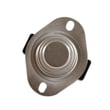
If you hear squealing, thumping, or the drum stops turning, these are frequent culprits:
Why it matters
A restricted vent can overheat a gas dryer, shorten component life, and increase drying time and energy use. Keeping airflow within spec and replacing wear parts early is the most reliable way to get maximum years out of your Whirlpool dryer.
Last updated: February 2026
Which dryer has the least problems?
If you want the fewest problems overall, we recommend choosing a simple, well-vented dryer from a reliability-focused brand; for many homes, a basic Whirlpool gas dryer like model WGD5500ST0 is a strong “low-drama” choice because it avoids extra electronics and is straightforward to maintain. Use the WGD5500ST0 owner's manual to match cycles and care steps to your laundry.
What “least problems” usually means in real use
Most dryer issues come from airflow, power, or wear items, not the brand badge. For a gas dryer, proper installation and venting are the biggest difference-makers for long-term reliability.
- Use a 4-inch heavy metal vent (not plastic or foil)
- Keep the vent run short and as straight as possible
- Clean the lint screen every load
- Remove lint from the exhaust vent about every 2 years (more often with heavy use)
- Use a dedicated, properly grounded electrical outlet (no adapters or extension cords)
Brand and design comparison (what we see most often)
| Dryer type | Typical “problem rate” drivers | Best fit if you want fewer issues |
|---|---|---|
| Basic gas dryer (mechanical or simple controls) | Vent restriction, igniter/coil wear, belt wear | Most households; easiest to keep running |
| Feature-heavy dryer (more sensors/electronics) | Control or sensor faults, more complex diagnostics | Convenience features matter more than simplicity |
| Compact or ventless designs | Longer dry times, filter maintenance, airflow management | Space-limited installs; maintenance-focused owners |
Parts that commonly wear (and are normal to replace)
On Whirlpool dryers like WGD5500ST0, these are typical wear items that can cause “problems” over time:
- Drum belt: slipping, squealing, drum not turning (see dryer drum belt 341241)
- Idler pulley: squeal or thump as the drum turns
- Door switch: dryer will not start when the door is closed
- Thermal cut-off/thermostat: overheating symptoms often tied to poor venting
Why it matters
A dryer that is properly installed, grounded, and vented dries faster, runs cooler, and avoids nuisance shutdowns and heat-related part failures. In practice, that is what most people experience as “a dryer with the least problems.”
Last updated: February 2026
Can I search for Whirlpool parts by model?
Yes. For your Whirlpool dryer model WGD5500ST0, searching by the full model number is the most reliable way to get compatible replacement parts because it matches your exact version to the correct diagrams and OEM part listings.
How to find the right model number
Your complete model number and serial number are typically on the label at the top inside the dryer door well. We recommend writing both down before shopping.
- Open the dryer door and look along the inside door opening
- Copy the model number exactly as shown (for example, WGD5500ST0)
- Record the serial number too (helpful for production changes)
- Keep the information with your purchase date for future reference
How model-based part search helps
Searching by model narrows results to parts designed for your dryer’s configuration (gas burner system, drum drive, door components, and controls).
| What you search | What you get | Best for |
|---|---|---|
| Model number (WGD5500ST0) | Model-specific parts list and diagrams | Correct fit the first time |
| Part ID or part number | One specific part listing | Reordering a known part |
| Description only | Many possible matches | Early troubleshooting only |
Examples of common WGD5500ST0 parts you can match by model
If you are diagnosing a symptom, model search helps you land on the exact replacement part page:
- Dryer drum belt 341241 (drum not turning, squealing)
- Dryer door switch WP3406107 (dryer will not start when door is closed)
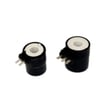
- Dryer valve coil kit 279834 (gas dryer heats intermittently)
- Dryer operating thermostat WP3387134 (overheating or cycling heat issues)
Why it matters
Whirlpool often uses similar-looking parts across many dryers, but small design differences can affect fit, wiring, and mounting. Using the model number reduces returns and helps your repair go smoothly.
For model-specific diagrams, safety notes, and troubleshooting steps, use the WGD5500ST0 owner's manual.
Last updated: February 2026
What's the average lifespan of a Whirlpool dryer?
A Whirlpool dryer typically lasts 10 to 13 years. For your Whirlpool WGD5500ST0, consistent airflow maintenance (lint screen and venting) and periodic internal lint cleaning help the dryer heat correctly, run efficiently, and reach its full service life; see the WGD5500ST0 owner's manual.
What we recommend to help your dryer last longer
- Clean the lint screen before every load.
- Keep venting safe and efficient: use 4-inch heavy metal venting, exhaust outdoors, and avoid plastic vent.
- Remove lint from the exhaust vent about every 2 years (more often with heavy use).
- Have lint removed from inside the dryer cabinet about every 2 years (done by a qualified person).
- Avoid overloading; heavy loads strain the drum support system and drive components.
- Address squealing, thumping, or slipping early; worn wear parts can cascade into bigger repairs.
Maintenance intervals at a glance
| Item | Typical interval | Why it matters |
|---|---|---|
| Lint screen | Every load | Prevents overheating and long dry times |
| Exhaust vent lint removal | About every 2 years | Maintains airflow and drying performance |
| Inside cabinet lint removal | About every 2 years (qualified service) | Reduces lint buildup around moving parts and heat source |
When “end of life” is really a repairable issue
Many dryers get replaced because of a few common, fixable wear items. If the drum stops turning or you hear squealing, these model-compatible parts are often involved:
- Dryer drum belt 341241 (broken or stretched belt)
- Dryer idler pulley WP691366 (worn pulley causing squeal or belt wear)
- Dryer repair kit 4392065 (common wear parts bundled for a refresh)
Why it matters
A dryer’s lifespan is mostly limited by heat stress and airflow restriction. Good venting and lint control help your WGD5500ST0 dry faster, reduce component temperatures, and prevent repeated cycling that wears out the motor, belt, and support parts.
Last updated: February 2026
Where is my dryer part number?
On your Whirlpool dryer model WGD5500ST0, the information you need is on the model and serial number label located at the top inside the dryer door well. Once we have the model number, we can match the exact replacement part for your dryer.
What to look for on the label
Use the label inside the door opening to capture the key identifiers we use to select parts.
- Model number (for this page, it is WGD5500ST0)
- Serial number (helps confirm production details)
- Type of gas (important for gas valve and burner related parts)
- Any option codes or additional identifiers printed near the model/serial
For a diagram and wording used by Whirlpool, use the WGD5500ST0 owner's manual.
Part number vs. model number (quick guide)
A dryer can have dozens of different part numbers; the model number tells us which parts fit your exact build.
| What you have | Where you find it | What it’s used for |
|---|---|---|
| Model number (WGD5500ST0) | Inside door well label | Identifies the exact dryer version |
| Serial number | Inside door well label | Helps confirm manufacturing series |
| Part number | Printed on the part itself or on packaging | Identifies one specific component |
If you already have a part number
If you removed the part and see a number stamped on it, we can still help, but we match it against WGD5500ST0 to ensure compatibility.
- Write the number exactly as shown (letters and dashes matter)
- Compare the part’s function to the symptom (no heat, won’t start, noisy, etc.)
- Check common wear items first, such as the dryer drum belt 341241 if the drum will not tumble
Why it matters
Using the model and serial label prevents ordering the wrong Whirlpool dryer parts, especially for gas ignition and safety components like thermostats, thermal cut-offs, and valve coils.
Last updated: February 2026
What are the common problems with Whirlpool dryers?
Common Whirlpool dryer problems (including Whirlpool model WGD5500ST0) are no-start issues, the drum not turning, poor drying or no heat, and long dry times caused by restricted venting. We use the WGD5500ST0 owner’s manual to match symptoms to the right checks and parts.
Most common symptoms and what they usually mean
- Dryer will not start: door not fully closed, failed door switch, or a drive motor issue
- Drum not spinning: broken belt, worn idler pulley, or a seized drum support/bearing
- No heat or weak heat (gas dryer): burner ignition problem, valve coil failure, or a thermostat/thermal cut-off opening
- Long dry times: lint buildup or crushed/too-long venting (most common)
- Overheating or shutting off: restricted airflow, operating thermostat cycling incorrectly, or a thermal cut-off opening
Quick checks we recommend first (fast, high-impact)
- Clean the lint screen and confirm strong airflow at the outside vent hood.
- Inspect venting: the installation instructions require 4-inch (10.2 cm) heavy metal venting, exhausted outdoors; avoid plastic venting.
- Confirm the door closes firmly; a bad switch can prevent starting.
- If the motor runs but the drum does not move, check the belt and idler.
- If it tumbles but does not heat, focus on the gas ignition system and safety thermostats.
Parts that commonly fix these problems on WGD5500ST0
| Symptom | Common part to check | What you may notice |
|---|---|---|
| Won’t start | Dryer door switch WP3406107 | No response when pressing Start, light may work but motor will not run |
| Drum not turning | Dryer drum belt 341241 | Motor runs or hums, drum stays still |
| Squealing or thumping | Dryer idler pulley WP691366 | Noise increases as drum turns |
| No heat (gas) | Dryer valve coil kit 279834 | Ignites briefly then stops heating, or heats intermittently |
Why venting and airflow matter
Restricted venting is the top cause of long dry times and overheating. The installation guidance calls for exhausting outdoors and using clamps (not screws) so lint does not snag inside the duct; better airflow protects the burner system, thermostats, and thermal cut-off.
Last updated: February 2026