Owner’s manual
 Error Codes




How to remove the bottom shelf of an LG fridge?
On the LG LBC22520SW bottom-mount refrigerator, the bottom shelf typically lifts slightly and then slides out once it is aligned with the shelf supports. If the shelf is captured by a crisper cover or door bin clearance, remove the bins/drawers first so the shelf can come straight out (see the LBC22520SW owner's manual for the exact shelf and bin layout).
Quick steps (most LG bottom-mount shelves)
- Remove food and any tall items that can catch on the door.
- Pull out the crisper/deli drawers below the shelf (if they block the shelf from sliding).
- Lift the front edge of the shelf up about 1 to 2 inches to clear the rear stops.
- Slide the shelf forward and out.
- If the shelf has a flip-up or sliding section, retract/fold it first to reduce binding.
If the shelf will not budge
These are the most common causes on LG refrigerators like model LBC22520SW:
- Door bins are interfering: open the door fully; remove the bin that hits the shelf edge.
- Shelf is off-track: lift the front higher, then level it as you pull forward.
- Shelf supports are mis-seated: check that left and right supports are at the same height.
- Sticky spills: warm water on a cloth around the shelf edges helps release dried residue.
- Gasket drag: if the door is hard to open or rubs, inspect the door seal (see how to fix a fridge door seal).
Shelf removal checklist
| What you see | What to do | Why it works |
|---|---|---|
| Shelf hits the door bin | Remove the bin first | Creates clearance for the shelf to slide out |
| Shelf lifts but will not slide | Lift higher, then pull straight | Clears rear stop tabs |
| Shelf slides but jams halfway | Remove drawers below | Prevents the shelf from catching on the crisper cover |
Why it matters
Removing the shelf the right way prevents cracked glass, broken shelf supports, and door liner damage. It also makes cleaning spills easier and helps keep airflow consistent for even cooling.
Last updated: February 2026
What's the average lifespan of an LG fridge?
Most LG refrigerators, including the LG LBC22520SW, typically last 10 to 15 years with normal household use. Consistent temperatures, clean airflow, and good door sealing do the most to help the sealed system and compressor reach that lifespan; use the LBC22520SW owner's manual for model-specific care and settings.
Typical lifespan ranges (what to expect)
Refrigerator life varies by usage and maintenance, but these ranges are realistic for most homes.
| Item | Typical lifespan | What shortens it fastest |
|---|---|---|
| Whole refrigerator | 10 to 15 years | Poor airflow, dirty condenser area, warm room temps |
| Compressor and sealed system | 10 to 15 years | Overheating, power issues, running constantly |
| Door gaskets and hinges | 5 to 10 years | Doors left ajar, misalignment, torn gasket |
Maintenance that adds years
We recommend these habits for LG bottom-mount refrigerators because they reduce run time and prevent temperature swings.
- Keep vents inside the fresh food and freezer sections clear (no boxes pressed against vents).
- Set stable temps and avoid frequent changes; aim for about 37°F fresh food and 0°F freezer.
- Clean dust from the condenser area regularly so the compressor can shed heat.
- Confirm doors close and seal fully; a weak seal makes the unit run longer.
- Level the refrigerator so doors self-close and align correctly.
Quick checks when you suspect the fridge is “aging early”
These symptoms often point to airflow, sealing, or defrost issues that can be corrected before they strain major components.
- Frost buildup on the back freezer wall
- Warm fresh food section but freezer still cold
- Long run times or loud fan noise
- Water pooling inside or under the unit
- Interior lights not turning off when the door closes (can add heat)
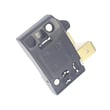
If the interior light stays on, the LG refrigerator door switch 6600JB1010A is a common wear item to inspect.
Why it matters
A refrigerator that runs hot, leaks air at the door, or can’t defrost efficiently will run longer and harder. That extra run time is the biggest reason compressors, fans, and sensors wear out sooner than the 10 to 15 year average.
Last updated: February 2026
What is the most common problem with LG refrigerators?
The most common problem we see with LG refrigerators (including the LG LBC22520SW) is a cooling problem: the fresh food section gets warm, the freezer temperature drifts, or the unit stops cooling consistently. The next most common issues are ice maker failures and water leaks caused by airflow or defrost and drain problems; use the LBC22520SW owner's manual to confirm the correct temperature settings and basic checks.
Most common symptoms and what they usually point to
- Fridge warm, freezer OK (or vice versa): airflow restriction, evaporator fan issue, or frost buildup
- Clicking or buzzing with poor cooling: compressor start or compressor-related problem
- Ice maker not making ice: water supply issue, fill problem, or ice maker failure
- Water pooling inside or under the fridge: clogged/iced drain system
- Heavy frost on freezer back wall: defrost system problem
Quick checks we recommend before replacing parts
- Set temps to typical targets: 37°F fresh food, 0°F freezer.
- Make sure vents are not blocked by food packages.
- Clean condenser area and confirm the condenser fan runs when the compressor runs.
- Look for frost buildup on the freezer rear panel (a clue of defrost trouble).
- If you have an ice maker, confirm the household water valve is fully open and the supply line is not kinked.
Parts that commonly relate to these problems on LBC22520SW
| Symptom | Common area to inspect | Example part for this model |
|---|---|---|
| Frost buildup, warming temps | Defrost system | Refrigerator defrost sensor assembly 6615JB2005C or refrigerator defrost heater 5300JB1100J |
| Water puddles/leaks | Drain system | Refrigerator drain tube 5251JA3003D |
| Ice maker not filling | Water inlet system | Refrigerator water inlet valve assembly AJU55759303 |
| Ice maker not producing | Ice maker module | Ice maker assembly AEQ72909602 |
Why it matters
Cooling problems can quickly lead to food spoilage and can also trigger secondary issues like excessive frost, water leaks, and ice maker failures. Catching airflow, defrost, or drain problems early often prevents bigger repairs.
Helpful DIY guides
Last updated: February 2026
Why does my LG freezer keep icing up at the bottom?
Ice building up on the bottom of the freezer in your LG LBC22520SW is almost always caused by a clogged or frozen defrost drain; meltwater cannot flow to the drain pan, so it refreezes into a sheet of ice. Clearing the drain and fully defrosting the freezer stops the repeat icing.
What to do first (safe, quick checks)
- Unplug the refrigerator or turn off power at the breaker.
- Remove the freezer drawer/bins and look for a solid ice slab on the floor.
- Do a full manual defrost: leave the freezer door open until the ice melts (towels under the door help).
- After the ice is gone, flush the drain with hot water using a turkey baster or squeeze bottle.
- If water backs up, clear the drain tube from the rear access area.
Parts that commonly cause bottom-freezer icing
A bottom ice sheet is a drainage problem first, but these related items can contribute:
- Drain tube: cracks, kinks, or blockage can prevent flow (see refrigerator drain tube 5251JA3003D).
- Defrost system: if frost builds heavily and overwhelms drainage, check the defrost circuit (see refrigerator defrost sensor assembly 6615JB2005C and refrigerator defrost heater 5300JB1100J).
- Door sealing: warm air leaks add moisture that becomes frost and meltwater (inspect the gasket for gaps or tears).
Symptom-to-cause guide
| What you notice | Most likely cause | What usually fixes it |
|---|---|---|
| Ice sheet only at freezer bottom | Frozen/clogged defrost drain | Defrost fully; flush and clear drain tube |
| Water pooling then freezing again in 1 to 3 days | Drain still restricted | Clear drain from rear; confirm steady flow |
| Heavy frost on back wall plus bottom ice | Defrost problem | Test/replace defrost heater or sensor |
| Frost near door edges | Door not sealing | Clean/reshape gasket; adjust door alignment |
Why it matters
When the defrost drain is blocked, meltwater has nowhere to go. That leads to recurring ice buildup, reduced airflow, warmer freezer temps, and potential leaks when the ice finally melts.
Helpful references
- Use the LBC22520SW owner's manual for access steps, panel removal guidance, and defrost/drain locations.
- For prevention tips, follow how to get rid of refrigerator puddles.
Last updated: February 2026
Why is my LBC22520SW freezer not working?
If your LG LBC22520SW freezer isn’t cooling, the most common causes are an airflow problem (evaporator fan not running or vents blocked by frost), a defrost failure (ice buildup on the evaporator), or a sealed-system/compressor issue. Start with simple checks in the LBC22520SW owner's manual.
Quick checks we recommend first
- Confirm the freezer temperature is set correctly (typical target is 0°F).
- Make sure the freezer door closes tightly and the gasket isn’t torn or warped.
- Listen for the evaporator fan in the freezer; it should run when the compressor is running.
- Look for heavy frost on the back freezer panel (a strong sign of a defrost problem).
- Verify the refrigerator has good airflow around the cabinet and the condenser area is not packed with dust.
- Power reset: unplug for 5 minutes, then plug back in and allow 24 hours to stabilize.
What the symptoms usually mean
| What you notice | Most likely cause | What to check next |
|---|---|---|
| Fridge section OK, freezer warm | Airflow or defrost issue | Frost on back panel; fan operation |
| Freezer cold but soft ice/slow freezing | Poor airflow or door leak | Vents blocked; gasket sealing |
| Clicking, humming, then stops | Start device or compressor problem | Relay/overload symptoms; compressor heat |
| Heavy frost/ice sheet behind panel | Defrost system failure | Heater, sensor, wiring |
Parts that commonly fix “freezer not cooling” on this model
If you confirm a defrost or airflow failure, these model-matched parts are common suspects:
- Refrigerator evaporator fan motor 4681JB1027N (moves cold air through the freezer)
- Refrigerator defrost heater 5300JB1100J (melts frost off the evaporator)
- Refrigerator defrost sensor assembly 6615JB2005C (helps control defrost timing)
- Refrigerator compressor TCA35931726 (sealed-system cooling; typically a pro repair)
Why it matters
A freezer that can’t move air or can’t defrost will warm up even if the compressor runs. Catching a frost-blocked evaporator early helps prevent food loss and reduces strain on the compressor.
Last updated: February 2026