Installation guide
 Owner’s manual
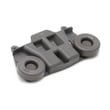



How to fix rubber seal on KitchenAid dishwasher?
On the KitchenAid KUDS30SXSS8 dishwasher, a “rubber seal” problem is usually the door gasket not seated evenly in its channel. We fix it by cleaning the channel, pressing the gasket in section-by-section, then keeping the door closed for several hours so the seal can set.
Quick fix steps (reseat the seal)
- Turn off power to the dishwasher at the breaker.
- Open the door and inspect the gasket channel for food debris, detergent buildup, or twists.
- Clean the channel with warm water and a mild cleaner; dry it completely.
- Starting at the top center, press the gasket firmly into the channel using your fingers, working evenly down both sides.
- Confirm the gasket is fully seated with no bulges, gaps, or stretched sections at the corners.
- Close and latch the door; keep it closed for several hours (overnight is ideal).
If the seal still leaks
Most leaks blamed on the “rubber seal” are caused by alignment, loading, or a worn lower seal.
- Check that the dishwasher is centered and level so the door closes squarely.
- Make sure the door is not rubbing the cabinet or screw heads.
- Avoid blocking the door area with tall items that can push the door outward.
- Inspect the bottom edge of the door for damage or a hardened lower seal.
Common causes and what to do
| Symptom | Most likely cause | What we do next |
|---|---|---|
| Drips at bottom center | Lower door seal worn | Replace the dishwasher door seal, lower WPW10497235 |
| Drips at one corner | Gasket not seated or door misaligned | Reseat gasket; re-level and re-center |
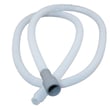
| Water only during drain | Drain hose routing or connection issue | Verify drain hose and clamps per the installation guide |
Why it matters
A properly seated door gasket and lower door seal keep wash water inside the tub, protect surrounding cabinets, and prevent moisture damage. Even a small gap can cause intermittent leaks that look like a failing pump or tub gasket.
Last updated: February 2026
What is the most common problem with a KitchenAid dishwasher?
The most common problems we see with the KitchenAid KUDS30SXSS8 dishwasher are poor cleaning (food left on dishes) and drainage trouble (water left in the tub). In day-to-day use, these issues usually trace back to restricted water flow, a clogged drain path, or a failing pump or heater; confirm the correct checks in the KUDS30SXSS8 installation guide.
Most common symptoms and what they usually mean
- Dirty dishes or grit: spray arms blocked, filter area dirty, low water fill, or weak circulation.
- Standing water after the cycle: drain hose restriction, air gap or disposer connection blockage, or a weak drain pump.
- Not drying well: heater not heating, rinse aid empty, or door opened too soon.
- Leaks at the door: door seal worn, door not centered, or door rubbing due to installation alignment.
- Won’t start: door not latched, water supply off, or power issue (breaker or fuse).
Quick checks we recommend first (fast, no parts guessing)
- Verify power and start conditions: breaker/fuse OK, door fully latched, cycle selected, water supply turned on (these are the first checks called out in the install instructions).
- Confirm the dishwasher is filling: start a short cycle; after about 2 minutes, unlatch, wait 5 seconds, then open and look for water in the bottom of the tub.
- Inspect the drain path: check the sink connection and hose routing for kinks or clogs.
Parts that commonly solve these problems (when testing points to a failure)
| Symptom | Common suspect | Example part for this model |
|---|---|---|
| Standing water | Drain pump not pumping | Dishwasher drain pump WPW10348269 |
| Weak wash, poor cleaning | Circulation system issue | Dishwasher pump and motor assembly (model-specific) |
| Poor drying | Heater not heating | Heater W10703867 |
| Door leak | Lower door seal worn | Dishwasher door seal, lower WPW10497235 |
Why it matters
Drain and wash performance problems can cascade: restricted draining can leave dirty water in the sump, and weak heating can reduce drying and cleaning results. Installation alignment also matters; the guide calls out centering and leveling checks that prevent door rubbing and sealing issues.
Last updated: February 2026
What's the average lifespan of a KitchenAid dishwasher?
Most KitchenAid dishwashers, including the KitchenAid KUDS30SXSS8 undercounter dishwasher, typically last 10 to 14 years. Consistent cleaning, correct loading, and fixing small issues early (drain problems, heating issues, door leaks) are what most often determine whether you land closer to 10 years or push past it.
What affects lifespan the most
- Water quality and hard-water buildup; scale can stress the heater and wash system
- Rinse aid use; helps drying and reduces mineral deposits (important on energy-efficient designs)
- Drain performance; slow draining can leave debris that wears pumps and seals
- Door alignment and sealing; rubbing or mis-centering can lead to leaks and premature wear
- Cycle length and frequency; longer cycles are normal on newer, energy-saving dishwashers
Maintenance that helps you reach the full lifespan
Use these habits as your baseline, then follow the model-specific care steps in the KUDS30SXSS8 owner’s manual.
- Run hot water at the sink before starting a cycle (improves wash performance)
- Keep rinse aid filled for better drying and less spotting
- Clean the interior and check spray arms for clogs monthly
- Watch for slow drain symptoms and address them promptly
- Confirm the door closes tightly and latches every time
Common “wear-out” parts vs. what they usually cause
| Symptom | Common area involved | Example part for this model |
|---|---|---|
| Water left in tub | Drain system | Dishwasher drain pump WPW10348269 |
| Poor drying, cool water | Heating circuit | Heater W10703867 |
| Door not sealing, small leaks | Door seal | Dishwasher door seal, lower WPW10497235 |
Why it matters
A dishwasher that is draining fully, heating correctly, and sealing tightly cleans better and puts less strain on the motor, pump, and controls. That reduces repeat cycles and overheating, which are two of the fastest ways to shorten overall service life.
Last updated: February 2026