Owner’s manual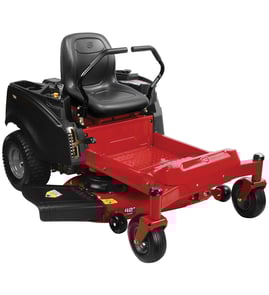

How do I know what model snapper mower I have?
You can identify your Snapper rear-engine riding mower by finding the model and serial number on the mower’s ID label, then matching that number to parts and specifications. For the Snapper 3314520BVE, use the model number exactly as printed to ensure correct parts fit.
On Snapper rear-engine riders, the ID label is typically on the frame near the operator area. Check these common spots first:
- Lower right-hand side of the frame above the right front tire
- Frame rail under the seat area (look along the chassis tubing)
- Rear frame section near the engine mounting area
- Under the hood or near the dash panel (if equipped)
If the label is dirty or faded, wipe it with a damp rag and a mild cleaner so the characters are readable.
Record both numbers exactly as shown:
- Model number (this drives parts compatibility)
- Serial number (helps confirm production run and variations)
- Engine model/type/code from the engine label (useful for engine-specific parts)
The operator manual also notes that you should always mention the model and serial number when getting parts or service. See the 3314520BVE owner’s manual.
| Label type | What it identifies | Used for |
|---|---|---|
| Mower model/serial label | The Snapper rider itself | Deck, drive, steering, chassis parts |
| Engine label | The engine manufacturer and build | Spark plug, carburetor, air filter, fuel system parts |
Using the exact model number prevents ordering the wrong drive, deck, or chassis parts. It also helps you follow the correct maintenance and safety procedures for your specific Snapper rear-engine rider.
Last updated: January 2026
Does Snapper still make rear engine mowers?
Snapper built the 3314520BVE rear-engine riding mower, and support for this model focuses on safe operation, routine maintenance, and using genuine replacement parts. For whether Snapper currently manufactures new rear-engine rider models, the most reliable confirmation is to check Snapper’s current product lineup and your local dealer availability.
The Snapper 3314520BVE owner's manual is written for operating and maintaining a Snapper rear-engine rider and recommends keeping both the mower manual and the separate engine owner’s manual available.
Key model-specific takeaways:
- Follow the pre-start checklist before each use (tires, guards, oil level).
- Typical tire pressure guidance is 12 PSI front and 12 PSI rear.
- Stop the engine, stop the blade, set the parking brake, remove the key, and disconnect the spark plug wire before service.
- Snapper recommends using genuine Snapper replacement parts.
- Snapper recommends an annual inspection by an authorized Snapper dealer.
Availability can vary by season and retailer. Use these checks to avoid buying the wrong machine or parts.
- Confirm the exact product type: rear-engine rider vs. lawn tractor vs. zero-turn
- Verify deck size, transmission type, and engine family before purchasing
- Ask the dealer about parts support for wear items (filters, fuel line, drive components)
- Match parts by model number and serial number, not by appearance
| Situation | Best next step | Why |
|---|---|---|
| You already own a 3314520BVE | Maintain it and replace wear parts as needed | Extends service life and reliability |
| You want a new rear-engine rider | Confirm current Snapper lineup with a dealer | Model offerings change over time |
| You need a part now | Match by model and part ID | Prevents fit and performance issues |
Rear-engine riders have model-specific controls, safety labels, and service steps. Using the correct procedures and correct parts helps prevent no-start issues, fuel leaks, and drive problems.
Last updated: January 2026
What is the difference between a front engine and rear engine riding mower?
A front-engine riding mower puts the engine ahead of the operator and typically uses a longer frame and hood; a rear-engine rider like the Snapper 3314520BVE places the engine behind the seat for a shorter, more compact mower that’s easier to maneuver in tighter yards.
- Layout and size: Rear-engine riders are usually shorter overall; front-engine tractors are longer and feel more “tractor-like.”
- Maneuverability: Rear-engine riders generally turn and fit around landscaping more easily.
- Cutting deck options: Rear-engine riders commonly use smaller decks; the 3314520BVE is part of a series that includes 28-inch, 30-inch, and 33-inch cutting widths (varies by model/deck setup).
- Power and capability: Front-engine tractors often support heavier-duty attachments and larger mowing areas.
- Service access: Front-engine tractors often have easier under-hood access; rear-engine riders may require removing covers/seat pan for some service.
| Feature | Front-engine riding mower | Rear-engine riding mower (Snapper 3314520BVE style) |
|---|---|---|
| Engine location | In front of operator | Behind operator |
| Typical footprint | Larger | More compact |
| Best for | Larger, open lawns; attachments | Smaller to mid-size lawns; tighter turns |
| Deck size trend | Medium to large | Small to medium |
Choosing between front-engine and rear-engine designs affects how easily you can mow around obstacles, how much storage space you need, and what kinds of attachments or towing tasks the mower can realistically handle.
- Follow the safety steps before any service (engine off, key removed, spark plug wire disconnected).
- Keep up with periodic lubrication of grease fittings (wheel bearings, rear axle bearing, blade spindle).
- If drive performance changes, inspect wear items in the drive system (common on riders over time).
For model-specific operating and maintenance details, use the Snapper 3314520BVE operator’s manual.
Last updated: January 2026
When did Snapper stop making riding mowers?
Snapper did not stop making riding mowers on a single universal date; availability depends on the market and product line. For owners of the Snapper 3314520BVE rear-engine riding mower, the best approach is to use the model and serial number to identify the correct parts and service procedures in the Snapper 3314520BVE owner's manual.
Snapper riding mower production and availability has shifted over time by region and by product type (rear-engine riders, tractors, zero-turn mowers). If you are trying to match a mower to a year, focus on the mower’s ID plate and engine label rather than the brand name alone.
- Check the model and serial number tag on the mower frame
- Check the engine model, type, and code on the engine label
- Use the manual’s maintenance and adjustment sections to confirm feature set and controls
- For parts matching, always use the full model number (3314520BVE)
- If you are restoring an older unit, expect some parts to be superseded over time
Most riding mowers can be dated reliably using the engine code and the mower serial number.
| What to check | Where to find it | What it tells you |
|---|---|---|
| Mower model and serial number | Frame tag (often under seat or rear frame area) | Exact mower configuration for parts lookup |
| Engine model/type/code | Engine shroud or valve cover label | Often includes a date code or build code |
| Operator manual series | Manual cover and series info | Helps confirm generation and safety features |
Knowing the approximate build timeframe helps you order the right maintenance items and drivetrain parts, and it helps you follow the correct safety checks. For example, the manual calls out that the blade should stop within about 3 seconds after disengagement; that safety performance depends on correct adjustment and compatible parts.
If you are troubleshooting fuel delivery or doing a tune-up, these model-matched parts are common starting points:
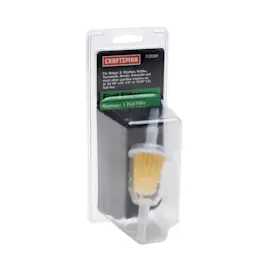
- Snapper filter 394358S (routine service item)
- Snapper hose 791766 (fuel line issues, cracking, leaks)
Last updated: January 2026