Installation guide
 Owner’s manual
 Error Codes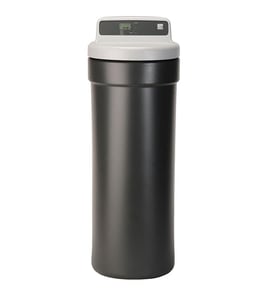



What water softeners do plumbers recommend?
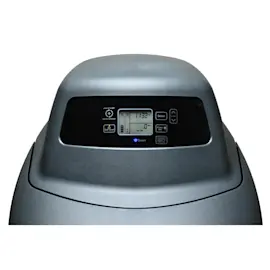
Plumbers typically recommend water softeners that are correctly sized to your home’s water hardness (gpg), iron level (ppm), and flow needs, then installed to local plumbing codes. For Kenmore model 625388170, we also recommend following the setup and maintenance guidance in the 625388170 installation guide so the softener can remove hardness minerals and some “clear water” iron as designed.
Plumbers tend to favor systems that are easy to service, have readily available parts, and match the water conditions.
- Accurate sizing based on a water test (hardness and iron)
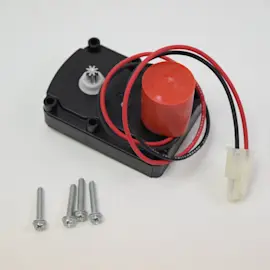
- Proven valve design with common replacement parts (motor, seals, venturi)
- Straightforward programming and regeneration controls
- Local support for installation and service
- Proper installation location and drain access
Use this checklist before choosing any brand or model:
| What to confirm | Why it matters | How to check |
|---|---|---|
| Hardness (gpg) | Determines capacity and regeneration frequency | Water test results |
| Iron (ppm) | Some softeners handle only “clear water” iron | Water test results |
| Peak flow rate | Prevents pressure drop during showers/laundry | Fixture count, pipe size |
| Plumbing code requirements | Avoids unsafe or non-compliant installs | Local public works department |
This Kenmore water softener is designed to remove hardness minerals and some clear water iron up to the limits listed in the specifications section of the 625388170 owner’s manual. It is not intended to correct other water issues like tastes/odors, acidity, or non-clear-water iron.
“Best” depends on your water. A correctly sized, correctly installed softener will outperform a mismatched premium unit, and it will use less salt and regenerate more predictably.
Last updated: January 2026
What is the life expectancy of a Kenmore water softener?
A Kenmore water softener like model 625388170 typically lasts 8 to 15 years. Lifespan depends most on your water hardness, clear-water iron level, chlorine exposure, and how consistently the unit is maintained and kept supplied with salt per the 625388170 owner's manual.
- Water hardness and iron: Higher grains-per-gallon (gpg) hardness and clear-water iron (ppm) increase workload.
- Resin bed condition: Resin can foul from iron and chlorine; regular cleaning helps.
- Salt and brine tank care: Keeping salt at a reasonable level helps prevent issues like bridging.
- Freeze protection: Freezing can crack housings and damage the valve; drain the unit if installed where it can freeze.
- Mechanical wear: The drive system and valve seals wear over time.
| Component or issue | Typical timing | Common symptom |
|---|---|---|
| Resin media performance decline | 10 to 15 years | Hard water returns sooner between regenerations |
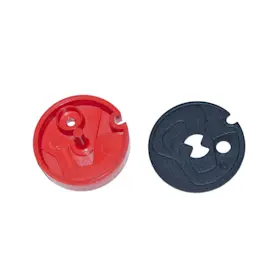
| Valve seals and internal leakage | 7 to 12 years | Constant running water to drain, salty taste, poor softening |
| Drive motor or position sensing issues | 8 to 15 years | Stuck in regeneration, error codes, no movement |
If you are seeing repeated hard-water symptoms or frequent regenerations, checking the valve internals is a practical first step; the Kenmore water softener seal kit 7129716 is a common wear-item set for this model family.
- Keep the salt storage tank about 1/4 to 1/2 full and refill more often in humid areas.
- If your supply has clear-water iron, clean the resin bed at least every 6 months (more often if iron shows up in softened water sooner).
- Periodically disinfect the softener when needed for your water supply.
- Protect the unit from freezing; shut off water, vent pressure, and drain when required.
A softener that is nearing end-of-life often still “runs,” but it wastes salt and water, regenerates too often, and lets hardness minerals through. Staying ahead of resin and valve wear keeps your Kenmore 625388170 efficient and prevents surprise hard-water problems.
Last updated: January 2026
Is it worth repairing a water softener?
Yes, repairing a Kenmore water softener model 625388170 is usually worth it when the problem is isolated to a serviceable part (motor, seals, venturi, switch) and the unit is not leaking; repairs typically restore normal soft water and regeneration without the cost of a full replacement. Use the 625388170 owner's manual to confirm the symptom checks and service guidance.
Repair makes sense when the softener is mechanically sound and the issue is in the control/valve system.
- The tank and salt storage drum are not leaking
- The display has power but regeneration is not working correctly
- You see an error code or the unit stalls during a cycle
- You have hard water again but plumbing is correctly set to “in service”
- The problem points to common wear items like seals or the nozzle/venturi
| Symptom you notice | Likely area | Example part for 625388170 |
|---|---|---|
| No regeneration movement, loud clicking, stuck cycle | Valve drive | Rep'l motor 7286039 |
| Water leaking inside valve, poor sealing during cycles | Valve seals | Kenmore water softener seal kit 7129716 |
| Weak or no brine draw, poor softening | Nozzle/venturi | Water softener nozzle and venturi with gasket 7187772 |
Replacement is the smarter move when the core structure is failing or the softener cannot be installed/operated correctly.
- The resin tank or salt storage drum is leaking
- The unit has repeated failures across multiple components
- The softener was exposed to hot water (over 120°F / 49°C), which can damage internal parts
- Installation constraints cannot be met (no nearby drain, no continuously live 120V outlet within about 10 feet)
These checks come straight from the model’s troubleshooting approach and often prevent unnecessary part replacement.
- Confirm the time-of-day display is correct (flashing time means a long power outage)
- If the display is blank, verify the outlet is live and the transformer is plugged in
- Make sure the bypass valve(s) are fully in the “service” position
- Confirm inlet and outlet plumbing are connected correctly
- If an error code appears, follow the diagnostics steps in the Kenmore error codes resource
A properly working softener protects plumbing and water-using appliances from hardness minerals (measured in grains per gallon) and can remove some clear-water iron (ppm). Correct installation and maintenance also prevent avoidable valve damage and performance problems.
Last updated: January 2026