Owner’s manual
 Error Codes


What does the 26 stand for?
On the GE PSS26MSRCSS side-by-side refrigerator, the “26” is a model-series size identifier; it typically refers to the refrigerator’s approximate capacity class (about 26 cubic feet), not a special code or feature.
What “26” usually means on GE side-by-side models
Manufacturers commonly use numbers in model names to indicate a size or capacity family. For this refrigerator line, “26” aligns with the 26 cu. ft. class used across similar GE Profile side-by-side designs.
Common ways you’ll see it used:
- Capacity class: roughly 26 cubic feet total storage
- Model family grouping: helps identify similar cabinet size and parts layout
- Installation planning: often paired with standard clearances and cutout needs
- Parts lookup: helps narrow down compatible components when combined with the full model number
How to confirm the exact capacity for your PSS26MSRCSS
The exact cubic-foot capacity is listed on the model’s rating information and in the documentation.
Check these places:
- The specifications section in the owner's manual
- The model and serial label inside the fresh food compartment (commonly near the top right)
- Any product registration or spec pages included in your paperwork
Why it matters
Knowing that “26” is a size class helps when you are planning cabinet clearances, moving the refrigerator, or comparing parts layouts. For repairs, always use the full model number PSS26MSRCSS to match the correct GE parts.
| Model number piece | What it’s used for | What it does not mean |
|---|---|---|
| “PSS” | Series/type identifier | Not the capacity |
| “26” | Approximate capacity class | Not a date code or “special” number |
| Remaining letters/numbers | Feature/finish variations | Not universal across all GE models |
Last updated: February 2026
What is the average lifespan of a GE refrigerator?
A GE refrigerator typically lasts 12 to 15 years. For your GE PSS26MSRCSS side-by-side, lifespan depends most on condenser cleanliness, door seal condition, and stable temperatures; following the care and temperature-setting guidance in the owner's manual helps you get the full service life.
Typical lifespan and what affects it
Most full-size refrigerators land in a similar range, but these factors move the needle the most:
- Condenser coil cleanliness (dust buildup makes the compressor work harder)
- Door gasket seal (air leaks cause longer run times and temperature swings)
- Temperature settings and stability (allow time for changes to stabilize)
- Ice maker and dispenser use (more moving parts, more wear)
- Water system maintenance (filters and valves affect dispenser performance)
Quick reference: what “normal” looks like
| Item | Typical target | Why it matters |
|---|---|---|
| Expected service life | 12 to 15 years | Common range for modern refrigerators |
| After changing temp controls | Wait 24 hours | Lets temperatures stabilize |
| “0/Off” control setting | Stops cooling, not power | Lights and electrical circuits can still be energized |
Maintenance that extends life (high impact)
We recommend these routine steps for a GE side-by-side like the PSS26MSRCSS:
- Vacuum and brush the condenser area regularly (more often with pets)
- Keep doors closing squarely; avoid slamming and check alignment
- Clean and inspect door gaskets; replace if torn, hardened, or loose
- Keep vents inside the compartments unblocked for proper airflow
- Replace the water filter on schedule; a restricted filter can reduce flow and strain the water system
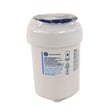
If you are maintaining the water dispenser and ice maker, the refrigerator water filter MWFP is the correct filter listed for this model.
Why it matters
A refrigerator that runs longer than it should (dirty coils, leaky gaskets, unstable settings) puts extra load on the sealed system components like the compressor, condenser, and evaporator. Reducing run time and keeping temperatures steady is the most direct way to protect those high-cost parts.
Last updated: February 2026
Is GE Café considered high end?
Yes. GE Café is generally considered a high-end line within GE’s mainstream lineup, known for upgraded styling, premium finishes, and feature-rich designs compared to standard GE models. It typically sits below true luxury tiers (such as built-in luxury lines) but above many mid-range options.
How GE Café fits in the GE lineup
GE positions multiple refrigerator and kitchen-appliance lines at different price and feature levels. In most kitchens, Café is chosen when you want a more premium look and more advanced features without moving into the highest-priced luxury category.
Common reasons people consider Café “high end”:
- More design-forward styling and coordinated suites
- Premium finish options and hardware choices
- More advanced convenience features (varies by model)
- Higher typical price point than standard GE appliances
- Strong focus on aesthetics for remodels and upgrades
What this means for your refrigerator parts and repairs
Even if your current refrigerator is GE model PSS26MSRCSS (not a Café model), the practical takeaway is the same: match parts to your exact model number and symptom, not the product line name.
For example, common side-by-side repair and maintenance items include:
- Water filtration (taste, odor, slow dispensing)
- Water inlet valve issues (no water to dispenser or icemaker)
- Temperature sensing and airflow problems (warm sections, inconsistent temps)
- Defrost-related issues (frost buildup, poor cooling)
Quick examples of parts that often relate to these symptoms (for PSS26MSRCSS)
| Symptom | Common area to check | Example part on this model page |
|---|---|---|
| Bad taste or slow water flow | Water filter | Refrigerator water filter MWFP |
| No water to dispenser/icemaker | Water supply valve | Refrigerator water valve WR57X33326 |
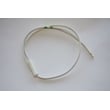
| Temps swing too warm/too cold | Temperature sensing | GE profile refrigerator temperature sensor WR55X10025 |
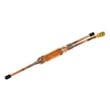
| Frost buildup, warm freezer | Defrost control components | Refrigerator defrost thermostat WR50X10068 |
Why it matters
“High end” is mostly about design, features, and price tier. For ownership, the most important thing is using the correct model-specific parts and following the correct procedures for your exact refrigerator.
For model-specific care, settings, and maintenance guidance, use the PSS26MSRCSS owner’s manual.
Last updated: February 2026
What is the most common problem with a GE refrigerator?
The most common GE refrigerator complaint is not cooling properly, and on the GE PSS26MSRCSS it’s often tied to airflow, temperature control settings, or a defrost-related issue. We recommend starting with the basic checks in the owner's manual before replacing parts.
Most common issues we see (and what they look like)
- Not cooling or warm temperatures: fresh food or freezer warming up
- Door left open or not sealing: temps rise, moisture builds, frost increases
- Normal defrost sounds mistaken for a problem: sizzling, popping, buzzing, or gurgling during defrost
- Ice maker not making ice: bin empty, cubes stuck, or water supply off
- Water dispenser slow or no water: clogged filter or water supply issue
- Water leaks: often related to defrost meltwater draining to the pan
Quick checks first (no tools)
- Confirm the temperature controls are not set to 0 and are set colder if needed.
- Give the refrigerator 24 hours to fully cool after first plug-in or major loading.
- Check for a package holding the door open.
- If cooling seems off, wait about 30 minutes to see if a defrost cycle ends.
- If the ice maker is on, make sure the water supply is connected and turned on.
Common symptoms and likely causes
| Symptom | What it usually points to | What to do next |
|---|---|---|
| Fridge/freezer warm | Controls, door left open, airflow, defrost cycle | Verify settings, door seal, allow time after defrost |
| Buzzing/sizzling/gurgling | Normal defrost and pressure equalization sounds | Compare to the sound descriptions in the manual |
| No ice | Water supply off, cubes stuck, filter clogged | Check supply, clear stuck cubes, replace filter |
| Slow water at dispenser | Restricted filter or supply | Replace filter, confirm supply pressure |
Parts that commonly solve cooling or water/ice complaints
If basic checks don’t fix it, these model-matched parts are common next steps:
- Refrigerator water filter MWFP (clogged filters can reduce water flow and affect ice production)
- Refrigerator temperature sensor WR55X10025 (helps regulate temperatures)
- Refrigerator defrost thermostat WR50X10068 (defrost system issues can lead to warming)
- Refrigerator evaporator motor WR60X10307 (airflow problems can cause poor cooling)
- Refrigerator water valve WR57X33326 (water and ice fill problems)
Why it matters
A “not cooling” complaint can be as simple as a door not closing or a control setting, but it can also be an airflow or defrost issue that leads to food spoilage. Separating normal operating sounds from true failures also prevents unnecessary part replacement.
Last updated: February 2026