
What are the 4 types of compressors?
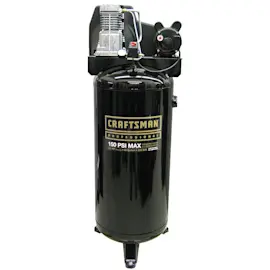
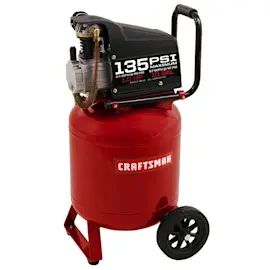
The four common compressor types are reciprocating (piston), rotary screw, centrifugal, and axial. For a Craftsman 106154781 twin-cylinder tank-type paint sprayer, the compressor style you will most often see is reciprocating (piston), which builds pressure in a storage tank for on-demand air.
The 4 compressor types (quick breakdown)
- Reciprocating (piston): Uses one or more pistons to compress air in cylinders; common in portable and shop compressors.
- Rotary screw: Uses two meshing rotors for continuous airflow; common in industrial and commercial settings.
- Centrifugal: Uses a high-speed impeller to accelerate air and convert velocity to pressure; common for large-volume applications.
- Axial: Uses multiple rotating and stationary blade stages; used where very high flow is needed (specialized industrial uses).
Positive displacement vs dynamic (why the list is grouped this way)
| Category | Types | What it means in plain terms | Typical use case |
|---|---|---|---|
| Positive displacement | Reciprocating, rotary screw | Traps air, then squeezes it into a smaller space | Tools, shop air, many plant systems |
| Dynamic | Centrifugal, axial | Adds velocity to air, then converts it to pressure | High-flow industrial systems |
How this helps when you are troubleshooting or shopping parts
Knowing the compressor type helps you focus on the most likely wear items and symptoms.
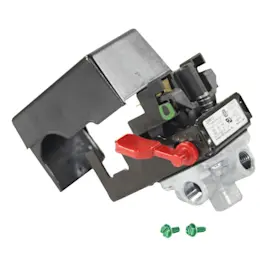
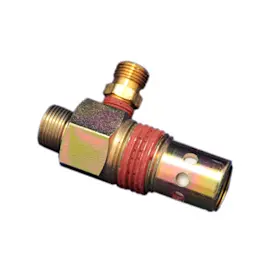
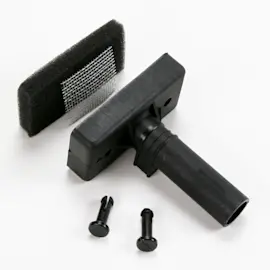
- Reciprocating units commonly relate to pressure switch, check valve, tank drain valve, intake filter, and pump seals.
- Rotary screw systems commonly relate to oil separator, air-oil cooler, and inlet valve.
- Centrifugal and axial systems are typically not DIY service items; they are system-level machines.
Why it matters
Compressor type affects airflow style (pulsed vs continuous), noise level, maintenance needs, and which components fail most often. For a tank-type Craftsman unit like model 106154781, identifying it as a piston-style design points you toward tank pressure controls and pump-related parts first.
For help finding the correct replacement parts by model number, use how to find your appliance model number (and what it means for parts).
Last updated: February 2026
What is the most common cause of air compressor failure?
The most common cause of failure on a Craftsman 106154781 twin-cylinder tank-type paint sprayer (air compressor) is poor maintenance that leads to overheating and accelerated wear. Dirty or restricted intake airflow, low or incorrect oil (on oil-lubricated designs), and ignored air leaks make the pump and motor work harder until components fail.
Most common failure triggers we see
- Restricted airflow: clogged intake filter, blocked shrouds, or poor ventilation causes overheating.
- Lubrication problems (if oil-lubricated): low oil level, wrong oil type, or dirty oil increases friction.
- Air leaks: leaking fittings, drain valve, check valve, or hose keeps the unit running longer than normal.
- Electrical issues: weak power supply, damaged cord, failing pressure switch, or bad capacitor.
- Moisture and corrosion: leaving water in the tank speeds rust and can damage valves and fittings.
Quick checks that prevent repeat failures
- Listen and feel: if the pump head is extremely hot or the unit runs constantly, address airflow and leaks first.
- Check the intake path: clean or replace the air filter and clear dust from cooling fins and covers.
- Drain the tank: bleed off air, then open the drain to remove water after use.
- Inspect for leaks: spray soapy water on fittings and look for bubbles.
- Verify power: avoid long, undersized extension cords; confirm the outlet and breaker are solid.
Symptom-to-cause guide
| Symptom | Most likely cause | What to do first |
|---|---|---|
| Runs hot, shuts off | Restricted airflow, overuse | Clean intake and improve ventilation |
| Runs constantly | Air leak, bad check valve | Find leaks with soapy water |
| Won’t start, hums | Capacitor, low voltage | Test power source, then electrical parts |
| Low pressure output | Leak, worn valves/rings | Check leaks, then pump condition |
Why it matters
Overheating and poor lubrication shorten the life of the pump, bearings, and motor. Fixing airflow restrictions and leaks early reduces run time, lowers operating temperature, and prevents expensive internal wear.
For general DIY safety and prep before testing electrical components, use our guide: are diy appliance repairs safe.
Last updated: February 2026
What is the average lifespan of an air compressor?
Most air compressors last 5 to 15 years in typical home and light shop use. For the Craftsman 106154781 air compressor, lifespan is driven by run time, heat management, and moisture control in the tank, plus how quickly you fix air leaks.
Typical lifespan by compressor type
Lifespan varies mainly by duty cycle and build style.
| Compressor type | Typical lifespan | Notes |
|---|---|---|
| Small DIY oil-free (pancake, hot dog) | 5 to 10 years | Higher wear, often not rebuildable |
| Portable oil-lube (belt or direct drive) | 8 to 15 years | Longer life with clean oil and intake air |
| Shop or industrial rotary screw | 10 to 20+ years | Built for continuous duty with scheduled service |
What shortens compressor life fastest
These issues force longer run time and accelerate wear:
- Moisture left in the tank (rust risk and contaminated air)
- Overheating from poor ventilation or blocked cooling fins
- Dirty or missing intake filter (increases cylinder wear)
- Air leaks at fittings, hose, regulator, or check valve
- Incorrect oil level or old oil on oil-lubricated pumps
Maintenance habits that add years
These routines make the biggest difference for a Craftsman portable compressor:
- Drain tank moisture after each use (or daily during heavy use)
- Keep airflow clear around the pump and motor; avoid enclosed, hot spaces
- Check for leaks with soapy water; tighten or reseal fittings
- Clean or replace the intake filter on schedule
- If oil-lube: maintain the correct oil level and change oil at regular intervals
Why it matters
Compressors usually fail early because they run hotter and longer than necessary. Controlling leaks, heat, and tank moisture reduces run time, protects the pump, and helps prevent internal tank corrosion.
For safe DIY practices while troubleshooting electrical issues (cords, switches, motors), use our are diy appliance repairs safe guide.
Last updated: February 2026
Is it worth it to repair a compressor?
Yes; repairing your Craftsman 106154781 air compressor is worth it when the problem is limited to common service items (air leaks, pressure switch issues, check valve problems, wiring faults) and the tank and pump are in solid condition. Replace the unit when the tank is damaged or the pump is severely worn.
Quick decision checklist
- Repair when you can pinpoint a single failure (leak, switch, valve, or wiring).
- Repair when it still builds pressure close to normal but will not hold it.
- Repair when the motor runs normally and the issue is in controls or fittings.
- Replace when the tank shows heavy rust, deep pitting, dents, or weld damage.
- Replace when it will not build pressure and multiple pump internals are worn.
What usually fails (and what it means)
| Symptom | Most common cause | Typical outcome |
|---|---|---|
| Runs but will not build pressure | Valve plate/reed valves, head gasket leak, worn rings | Repairable if limited; major rebuild if multiple internals are worn |
| Builds pressure but leaks down fast | Fittings, drain valve, regulator, check valve | Usually a straightforward repair |
| Will not start or trips breaker | Pressure switch, cord/wiring, capacitor (if equipped), motor issue | Diagnose electrical first; motor condition decides repair value |
| Short-cycles (rapid on/off) | Unloader valve, pressure switch issue, system leak | Often repairable once the leak/control issue is found |
How we evaluate cost vs. value
- Confirm the failure type: leak, control/electrical, or pump wear.
- Estimate total repair cost: parts plus time, including sealant and fittings.
- Inspect the tank carefully: tank integrity is the deciding factor for long-term value.
- Compare to replacement cost: if repairs approach a large share of replacement cost, replacement is the better value.
Why it matters
A smart repair restores safe pressure control and reliable air delivery. A compromised tank or heavily worn pump leads to repeat failures and poor performance, so replacement becomes the better long-term decision.
For a practical way to diagnose electrical issues on an air compressor, use how to use a multimeter to test electrical parts video.
Last updated: February 2026