Owner’s manual


How much does it cost to replace a heating element in a Kenmore dryer?
For a Kenmore gas dryer like model 11070722990, you typically do not replace a heating element; heat is produced by a gas burner system. Most “no heat” repairs on this model range from about $25 to $200 for parts, and about $150 to $400 total if you hire service (parts plus labor). See the 11070722990 owner's manual for safety and operating guidance.
What you usually replace on this gas dryer (instead of a heating element)
Common heat-related parts and typical price expectations:
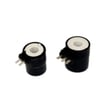
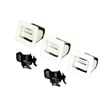
- Gas valve coils: often the first suspect when the dryer heats briefly then stops
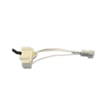
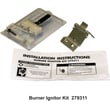
- Igniter: common when the dryer tumbles but never ignites
- Radiant sensor (flame sensor): helps prove flame and control ignition
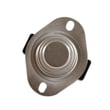
- Operating thermostat / high-limit thermostat: protects against overheating
- Vent cleaning items (not a part): restricted airflow can mimic a heat failure
Helpful model-matched parts on this page include the dryer valve coil kit 279834, igniter 279311, and dryer radiant sensor WP338906.
Cost breakdown (DIY vs. professional)
| Repair approach | What you pay for | Typical total cost |
|---|---|---|
| DIY parts-only | Part(s) only | $25 to $200 |
| Pro repair | Service call, diagnosis, parts, labor | $150 to $400 |
| Major repair | Multiple parts or gas valve replacement | $250 to $500+ |
Why the price varies so much
A “heating problem” can be a simple ignition issue or an airflow and safety cutoff issue. These factors change the total cost:
- Which component failed (coils vs. igniter vs. thermostats)
- Whether the dryer heats at first, then quits (often coils)
- Airflow restriction from lint buildup or a crushed/kinked vent
- Access time (stacked installs, tight closets, long vent runs)
- Whether multiple safety parts were stressed by overheating
Why it matters (and what to check first)
On gas dryers, poor venting can cause overheating and shutdowns, longer dry times, and repeat part failures. We follow the manual’s guidance to keep the vent from being crushed or kinked and to remove accumulated lint periodically; internal lint removal is typically handled by a qualified service person.
Last updated: February 2026
How to find Kenmore dryer model number?
For Kenmore gas dryer model 11070722990, the model number is printed on the model and serial number plate; you will typically find that plate on the dryer cabinet frame just inside the door opening, or on the back of the dryer near the top. Use the full model number when ordering parts or requesting service.
Where to look on the dryer
Check these common locations first:
- Inside the door opening on the cabinet frame (most common)
- On the back panel near the top edge
- Along the door opening area where the door switch mounts
- Near the lower front opening behind the lint screen housing area (on some builds)
What you should write down
The identification plate includes more than just the model number. Record these items so you can match parts correctly:
- Model number (example: 11070722990)
- Serial number
- Date of purchase (helpful for your records)
| Item | What it’s used for | Example format |
|---|---|---|
| Model number | Matching parts diagrams and part fit | 11070722990 |
| Serial number | Identifying production run details | Letters and numbers |
Why it matters
Kenmore dryers often share similar cabinets and controls across multiple series. Using the complete model number from the plate helps us match the correct gas dryer parts (like a drum belt, igniter, or thermostat) and avoid ordering the wrong replacement.
Helpful reference
If you want the exact plate location and how it’s labeled for this dryer, use the 11070722990 owner's manual.
Last updated: February 2026
What is the average lifespan of 11070722990?
A Kenmore gas dryer like model 11070722990 has an average lifespan of 13 years with normal household use and basic maintenance. Keeping airflow clear, cleaning lint regularly, and replacing wear parts (belt, rollers, thermostats) on time helps it reach that lifespan.
What affects lifespan the most
- Vent restriction (crushed duct, long run, clogged hood) that overheats the dryer
- Lint buildup inside the cabinet and blower housing
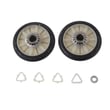
- Worn drum support parts (rollers, shafts, front bearing) that strain the motor
- Heat system wear (igniter, gas valve coils, thermostats)
- Heavy loads and frequent cycles that accelerate belt and bearing wear
Maintenance schedule we recommend
The owner documentation for this model includes safety and care guidance; use the owner's manual for the exact procedures and access notes.
| Task | Frequency | Why it matters |
|---|---|---|
| Clean lint screen | Every load | Improves airflow and drying time |
| Check venting to outside | Monthly | Prevents overheating and long dry times |
| Clean vent duct and exterior hood | Every 6 to 12 months | Reduces heat stress on thermostats and motor |
| Remove accumulated lint inside dryer (qualified service) | Every 2 to 3 years | Lint can be fuel for a fire and can block airflow |
Parts that commonly wear on this model
If your dryer still runs but is noisy, slow to dry, or stops tumbling, these model-matched parts are common fixes:
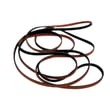
- Drum belt 341241 (broken belt, no tumble)
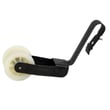
- Dryer idler pulley WP691366 (squeal, belt slack)
- Dryer operating thermostat WP3387134 (temperature control issues)
- Igniter 279311 (no heat)
- Dryer valve coil kit 279834 (heats briefly then stops)
Why it matters
A dryer that takes longer to dry runs hotter and longer; that increases wear on the motor, blower wheel, and high-limit thermostat, and it shortens overall service life.
Last updated: March 2026