 Installation guide
 Owner’s manual



How long should a Hotpoint tumble dryer last?
A Hotpoint electric dryer like model HTDX100ED6WW typically lasts 10 to 15 years with normal household use. Consistent venting, lint removal, and avoiding overheating are the biggest factors that keep the motor, drum support, and heating system running longer.
What affects lifespan the most
- Venting quality: Short, smooth, rigid metal ducting dries faster and reduces heat stress.
- Lint control: Cleaning the lint filter before every load helps airflow and protects the heater.
- Load habits: Overloading strains the drum belt, idler pulley, and motor.
- Heat and cycle selection: Using the right cycle for fabric type prevents excessive run time.
- Basic upkeep: Periodically checking the exhaust hood flap movement and duct condition helps prevent long dry times.
Maintenance checklist we recommend
Use these as simple “life-extenders” for HTDX100ED6WW:
- Clean the lint screen before every load.
- Inspect and clean the vent path (dryer outlet to outside hood) on a regular schedule.
- Use 4-inch rigid metal duct where possible; avoid plastic or combustible ducting.
- Sort loads by fabric weight (heavy towels separate from lightweight items).
- Stop and correct airflow issues if clothes start taking longer to dry.
Common wear items and what they usually mean
| Symptom | Often related to | Example part for this model |
|---|---|---|
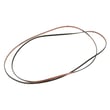
| Drum not turning, motor runs | Belt slipped or broken | Dryer drum belt WE03X29897 |
| Squealing, thumping, scraping | Drum support wear | Dryer idler pulley WE03X31620 |
| Runs but no heat | Heating circuit issue | Dryer heating element WE11M10001 |
Why it matters
A dryer that is properly vented and kept clear of lint runs cooler and finishes cycles faster. That reduces strain on key components (heating element, thermostats, motor, and drum supports) and is the most reliable way to reach the 10 to 15 year lifespan.
For model-specific operating and venting guidance, follow the HTDX100ED6WW owner’s manual.
Last updated: February 2026
What does F06 mean on a Hotpoint tumble dryer?
On a Hotpoint dryer, F06 typically points to a door lock or door switch problem; the dryer may not start because it is not sensing the door as securely closed. For your Hotpoint HTDX100ED6WW electric dryer, start by checking the door latch area for obstructions and confirming the door closes firmly.
Quick checks to clear an F06-style door fault
- Unplug the dryer (or switch off the breaker) for safety.
- Open the door and remove lint, clothing threads, or debris around the latch and strike.
- Close the door firmly; listen for a solid click and verify the door is not sagging.
- If the dryer starts only when you press or lift the door, the door switch or alignment is the likely issue.
- Review the control and start procedure in the HTDX100ED6WW owner's manual.
Parts that commonly fix a “door not sensed closed” problem
If the door is closing but the dryer still will not start, these parts are common suspects:
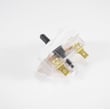
- Dryer door switch WE4M415 (most common electrical cause)
- Door strike or latch hardware (inspect for cracks or looseness)
- Timer or start circuit issues (less common, usually after door switch checks)
Symptom-to-part guide
| What you notice | Most likely cause | What to do next |
|---|---|---|
| No start, door must be slammed | Misaligned door/strike | Tighten hinges, inspect strike area |
| No start, no click from door area | Failed door switch | Test/replace door switch |
| Starts intermittently | Loose connector at switch | Check wiring at door switch |
| Door closes but pops open | Worn latch/strike | Replace latch/strike components |
Why it matters
The dryer’s door safety circuit prevents the motor and heater from running when the door is open. Fixing the door closure or door switch issue restores safe operation and prevents no-start complaints that look like bigger electrical failures.
Last updated: February 2026
Why isn't my Hotpoint washer dryer drying?
If your Hotpoint HTDX100ED6WW electric dryer isn’t drying, the most common causes are restricted venting, a clogged lint filter, or a power issue where the drum tumbles but the heater doesn’t run. Start with airflow checks, then confirm the dryer has full 240V power.
Quick checks that fix most “no dry” complaints
- Clean the lint filter before every load (a full screen slows airflow and drying).
- Inspect the vent hose behind the dryer; straighten kinks and make sure it is not crushed.
- Confirm the dryer exhausts outdoors and uses 4-inch metal ducting (not plastic).
- Check the outside vent hood; the flapper should move freely and be clear of lint or nesting.
- Reduce load size; heavy fabrics and overloading increase dry time.
Step-by-step troubleshooting (best order)
- Airflow first: Disconnect the vent and run a short timed cycle; strong airflow at the outlet points to a vent restriction.
- Power next (electric dryers): If the dryer tumbles but doesn’t heat, check the home breaker or fuses; electric dryers often use two breakers/fuses.
- Heat system checks: If airflow and power are good, heating components such as the element or thermostats can be the cause.
Common symptoms and what they usually mean
| Symptom | Most likely cause | What to do first |
|---|---|---|
| Runs but clothes stay damp | Vent restriction or lint buildup | Clean lint screen and venting |
| Tumbles but no heat | One breaker tripped or fuse blown | Reset both breakers/check both fuses |
| Takes much longer than normal | Heavy load, poor sorting, duct too long | Smaller loads; shorten/clean duct |
Parts that are often involved (when airflow and power are OK)
- No heat: Dryer heating element WE11M10001
- Overheating or cycling issues: operating or high-limit thermostat (match by model)
Why it matters
Poor venting makes the dryer run longer and use more energy; it can also cause overheating. Following the venting rules in the HTDX100ED6WW installation guide helps restore normal dry times and protects key components.
Last updated: February 2026
What are the common problems with Hotpoint dryers?
Common problems on the Hotpoint HTDX100ED6WW electric dryer include a dryer that will not start, a drum that tumbles but does not heat, long dry times from venting restrictions, and squealing or thumping noises from worn drum support parts. Our HTDX100ED6WW owner's manual troubleshooting chart covers the most frequent causes and quick checks.
Most common symptoms and what they usually mean
- Dryer will not start: power supply issue, door not fully closed, or a failed start/door switch
- Tumbles but no heat: one side of the 240V supply is out (tripped breaker or blown fuse), or a heating circuit component has failed
- Takes too long to dry: lint filter clogged, duct kinked/blocked, or outside hood damper stuck
- Unusual noises (squeal, scrape, thump): worn belt, idler pulley, drum glides, or felt seal
- Controls act up (timer/knob issues): worn timer contacts or a loose/damaged knob
Quick checks we recommend first (fast, no parts)
- Confirm power: electric dryers typically need two breakers/fuses; the drum can run with only one side working.
- Clean airflow path: clean the lint screen before every load; check the vent run for kinks and lint buildup.
- Check the outside exhaust hood: make sure the flapper moves freely and the opening is not blocked.
- Match settings to the load: heavy fabrics and large loads dry slower; sort loads by weight.
Parts that commonly fix these problems on HTDX100ED6WW
| Symptom | Common wear item | Example part for this model |
|---|---|---|
| Squealing or drum not turning well | Belt or idler pulley | Dryer drum belt WE03X29897, dryer idler pulley WE03X31620 |
| No heat | Heating element (after power is confirmed) | Dryer heating element WE11M10001 |
| Won’t start | Door switch or push-to-start switch | Dryer door switch WE4M415, dryer push-to-start switch WE4M416 |
Why it matters
Most “no heat” and “long dry time” complaints trace back to power and venting. Proper 4-inch metal ducting, short vent runs, and a clean lint screen help prevent overheating, reduce dry times, and lower energy use. For venting requirements, follow the HTDX100ED6WW installation guide.
Last updated: February 2026





