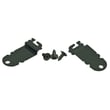
Installation guide
 Owner’s manual
 Error Codes
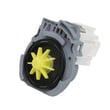


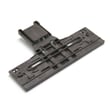
How do I find the filter on my KitchenAid dishwasher?
On KitchenAid model KUDE70FXSS3, the dishwasher filter is in the bottom of the tub, directly under the lower rack area. Pull the lower rack out, then look around the sump area for the filter cup and screen so you can remove and clean it.
- Slide the lower rack out or lift it off the rails for clear access
- Look at the very bottom center of the tub (sump area)
- Find the round or oval filter cup and the flat screen around it
- Twist the filter cup counterclockwise (most designs) and lift it out
- Rinse debris off with warm water; use a soft brush if needed
- Reinstall by seating it fully and twisting clockwise until it locks
Some KitchenAid dishwashers use a filter cup and screen that sit very low in the sump area. If the bottom looks “flush,” check for a locking tab or a twist-to-unlock ring and follow the filter removal steps in the KUDE70FXSS3 owner’s manual.
If the filter is cracked, warped, or will not lock back in place, replacement is the right fix.
| What you are checking | What it affects | Common symptom |
|---|---|---|
| Filter cup and screen | Keeps food soil out of the pump | Grit on dishes, poor wash results |
| Sump area | Directs water to the pump and spray arms | Standing water, noisy operation |
| Spray arm ports | Water pressure and coverage | Upper or lower rack not cleaning |
For this model, the filter part is listed as dishwasher filter W10872845.
A clogged or damaged filter reduces water flow and recirculation, which can cause cloudy glasses, food redeposit, and extra noise. Keeping the filter clean helps the wash pump and spray arm work at full pressure.
Last updated: February 2026
How to reset error code on KitchenAid dishwasher?
On KitchenAid model KUDE70FXSS3, most error codes clear by doing a control reset and letting the dishwasher run its short self-check. After the reset, start a cycle and allow it to run for several minutes so the control can reinitialize.
- Press Cancel/Drain once and wait for the drain to finish.
- Turn power off to the dishwasher at the breaker for 1 minute.
- Turn power back on.
- Start a normal cycle and let it run about 5 minutes (the control may perform a brief self-test).
- If the code returns, stop the cycle and check for a drain or fill problem before resetting again.
Many “won’t reset” situations are really the dishwasher detecting the same problem again.
- Not draining: check the sink/disposer connection, drain loop, and kinks in the hose
- Slow fill/no fill: confirm the water supply valve is fully open and the inlet line is not kinked
- Door not latching: close the door firmly and make sure racks are not blocking it
- Standing water or debris: clean the filter area and remove any obstructions
If you confirm a drain or fill issue, these KUDE70FXSS3 parts are common fixes:
| Symptom | What it points to | Example part for this model |
|---|---|---|
| Water left in tub | Drain restriction or failed pump | Dishwasher drain pump WPW10348269 |
| Won’t fill or fills slowly | Inlet valve problem | Dishwasher water inlet valve W11175771 |
| Poor wash, odd noises, debris recirculating | Clogged filter area | Dishwasher filter W10872845 |
Resetting clears the control’s stored fault, but if the dishwasher still cannot drain, fill, or sense water conditions correctly, the error code will reappear to protect the pump, heater, and motor.
For model-specific button sequences and diagnostics, use the KUDE70FXSS3 owner’s manual.
Last updated: February 2026
Do KitchenAid dishwashers have filters that need to be cleaned?
Yes. KitchenAid dishwashers, including model KUDE70FXSS3, use a filter system that should be cleaned regularly to prevent odors, poor wash results, and slow draining. The filter is typically located in the bottom of the tub under the lower rack and lower spray arm.
- Turn off power at the breaker (recommended for safety).
- Remove the lower rack.
- Locate the filter assembly at the bottom of the tub.
- Twist the filter to unlock, then lift it out.
- Rinse under warm water; use a soft brush to remove stuck debris.
- Reinstall the filter, making sure it locks fully in place.
- Clean the filter about once a month in normal use.
- Clean it sooner if you notice grit, odor, or standing water.
- Avoid forcing the filter; it should unlock with a firm twist.
- Do not run the dishwasher with the filter removed.
- Use rinse aid for better drying and to help reduce buildup (common on energy-efficient models).
| Symptom | What it often points to | What to do next |
|---|---|---|
| Dishes feel gritty | Food debris recirculating | Clean the filter and check the spray arm holes |
| Odor in tub | Trapped debris in filter area | Clean filter and wipe sump area |
| Water not draining well | Restricted filter or drain path | Clean filter; inspect drain hose routing |
| Poor cleaning | Low spray pressure from blockage | Clean filter; inspect spray arm |
If cleaning the filter does not restore performance, these model-compatible parts are common next checks:
- Dishwasher filter W10872845
- Dishwasher spray arm WPW10491331
- Dishwasher drain hose 8269144A
- Dishwasher drain pump WPW10348269
A clean filter helps your KUDE70FXSS3 maintain proper water flow through the wash system. That improves wash performance, reduces odors, and can prevent drain problems that lead to standing water at the end of a cycle.
For model-specific diagrams and removal details, use the KUDE70FXSS3 owner's manual.
Last updated: February 2026
Can you dishwasher KitchenAid parts?
Yes, many removable KitchenAid dishwasher parts for model KUDE70FXSS3 can be washed in the dishwasher, but we recommend placing small plastic items on the upper rack so they do not warp or fall into the pump area. For part-specific cleaning cautions, follow the KUDE70FXSS3 owner's manual.
Use these placement rules to protect racks, clips, and wash components:
- Upper rack: small plastic pieces, rack wheels, adjusters, tine clips
- Lower rack: larger, heat-tolerant items that cannot fall through the rack
- Avoid loose parts: anything that can drop below the rack and interfere with the spray arm or sump
- Skip high-heat drying: use air-dry or low-heat to reduce warping
- No harsh cleaners: avoid bleach or abrasive powders that can damage finishes
These KUDE70FXSS3 parts are typically fine to wash on the upper rack after you remove them:
- Adjuster WPW10546503
- Whirlpool dishwasher dishrack wheel W10195416V
- Dishwasher tine pivot clip WPW10082853
| Part type | Best rack | Key reason |
|---|---|---|
| Small plastic rack hardware (clips, adjusters) | Upper | Less heat exposure, less chance of warping |
| Wheels and small assemblies | Upper | Helps prevent bouncing loose |
| Large racks | In place (installed) | Designed to be washed during normal cycles |
During installation, KitchenAid specifically calls out protecting the pump and spray arm area by covering it with a towel so screws do not fall into the pump area. That same idea applies when cleaning: keeping small parts secured and up top helps prevent items from dropping into the wash system and causing noise, poor washing, or damage.
- Rinse off heavy soil first
- Snap parts fully into a basket or secure them so they cannot tumble
- Run a normal wash with mild detergent
- Let parts cool before reinstalling
Last updated: February 2026