Owner’s manual
 Error Codes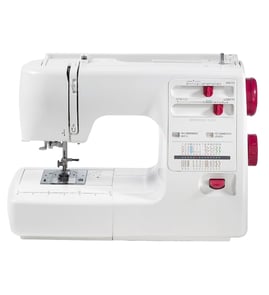

What is the lifespan of a Brother sewing machine?
A Brother sewing machine like the Brother SC6600 typically lasts 10 to 25 years with normal home use and basic maintenance (cleaning lint, correct needle/thread, and periodic lubrication if your manual calls for it). Heavy daily use shortens lifespan; light occasional use can extend it.
Typical lifespan ranges
- Occasional home use: 15 to 25 years
- Regular home use (weekly): 10 to 20 years
- Heavy use (daily, thick materials often): 5 to 10 years
| Usage pattern | What wears fastest | What helps most |
|---|---|---|
| Light | Rubber parts, belts over time | Store covered; run it monthly |
| Regular | Needle bar area, feed system | Clean lint; replace needles often |
| Heavy | Motor, drive system, gears | Avoid forcing fabric; service sooner |
What shortens a sewing machine’s life
- Sewing heavy denim, canvas, or multiple layers beyond what the machine handles comfortably
- Running with lint buildup around the bobbin area and feed dogs
- Using dull, bent, or wrong-size needles (causes timing stress and skipped stitches)
- Incorrect threading or bobbin winding that increases tension and drag
- Sewing with a damaged needle plate or presser foot that snags thread and fabric
Maintenance that extends lifespan
- Follow the cleaning and oiling schedule in the owner's manual
- Change needles regularly (especially after hitting a pin or thick seam)
- Use quality thread and the correct bobbin type for the SC6600
- Keep the bobbin area clean and rethread top and bobbin when problems start
- Stop immediately if you hear knocking, binding, or the handwheel gets hard to turn
Why it matters
Most “machine is worn out” complaints are actually maintenance or setup issues (needle, thread path, tension, lint). Keeping the SC6600 running smoothly reduces strain on the motor and drive components, which is what preserves long-term reliability.
Last updated: February 2026
How do I order Brother sewing machine parts?
To order parts for your Brother SC6600 electronic sewing machine, we recommend using the SC6600 parts list on Sears PartsDirect so you can match the exact part to your machine. For diagrams, part names, and model identification details, use the SC6600 owner's manual.
How to order the right part (fast and accurate)
- Confirm the model number on the machine’s ID label is SC6600.
- Use the parts diagrams to identify the exact assembly (needle bar area, bobbin case area, drive system, power components).
- Search by the part description you see in the diagram (for example: foot control, needle plate, bobbin winder, drive belt).
- Compare your old part to the diagram and mounting points before ordering.
- If your machine shows an error on the display, look it up first so you do not order the wrong component.
If you are not sure which part failed
Many sewing machine issues are caused by setup or maintenance, not a failed component. Check these common items before ordering:
- Needle installed correctly and not bent or dull
- Correct needle type and size for the fabric
- Upper thread path and tension set correctly
- Bobbin wound evenly and inserted in the correct direction
- Lint buildup under the needle plate and around the hook race
Helpful troubleshooting resources
Use these guides to narrow the failure to a specific system before you buy parts:
| Symptom | Most likely area to check | Best next step |
|---|---|---|
| Machine will not power on | Power cord, on/off switch, foot control | Use sewing machine won't turn on |
| Motor hums but will not run | Drive belt, jammed hook, seized mechanism | Use sewing machine motor won't run |
| Display shows an error code | Control system, sensors, jam detection | Use Brother electronic error codes |
Why it matters
Ordering by symptom alone often leads to the wrong part. When we match the Brother SC6600 model number to the correct diagram and confirm the failure (power, motor, drive, or stitch formation), you get the right repair the first time.
Last updated: February 2026
Where is the sewing parts online store?
If you’re looking for parts for your Brother SC6600 sewing machine, our sewing machine parts store is right here on Sears PartsDirect; use the model number SC6600 to match parts and diagrams, and use the owner's manual to confirm the correct part location and setup details before ordering.
How to find the right parts for Brother SC6600
- Use the exact model number SC6600 when searching parts and diagrams.
- Compare the part description to what you see on your machine (needle area, bobbin area, power section).
- Check the exploded-view diagram to confirm where the part installs.
- Verify compatibility before ordering, especially for electrical items like a foot control/power cord or on-off switch.
- If the machine shows an error on the display, look it up before replacing parts.
Quick troubleshooting resources (before you buy parts)
If your goal is to fix a problem (not just shop), these guides help narrow the cause first:
Common “store” needs and what to check first
| What you need | What to confirm on SC6600 first | Why it helps |
|---|---|---|
| Power-related parts | Outlet power, cord condition, switch feel | Prevents replacing the wrong electrical part |
| Stitch quality help | Needle type/size, threading path, tension | Fixes many issues without parts |
| Noise or binding | Lint buildup, jammed thread, handwheel movement | Avoids damage to gears and hook timing |
Why it matters
Sewing machine parts are model-specific; using SC6600 and verifying details in the manual reduces returns and gets your Brother sewing machine running correctly faster.
Last updated: February 2026
What are the parts of the electric sewing machine?
Most Brother SC6600 electronic sewing machines share the same core assemblies: the upper thread path (spool pin to needle), the needle and presser foot area, the bobbin and hook area, and the drive and controls (motor, handwheel, foot control). For model-specific diagrams and names, use the owner's manual.
Main parts you will see on the Brother SC6600
- Spool pin and spool cap (holds the thread spool)
- Thread guides and tension area (controls upper thread feed)
- Take-up lever (pulls thread back up each stitch)
- Needle bar and needle clamp (holds and drives the needle)
- Presser foot and presser foot lifter (holds fabric down)
- Feed dogs and needle plate (moves fabric under the foot)
- Bobbin, bobbin case, and bobbin cover (lower thread supply)
Controls and drive components
Electric and electronic sewing machines also include these common parts:
- Power switch and power cord connection
- Foot control (pedal) and foot control jack
- Handwheel (balance wheel) for manual needle positioning
- Stitch selector buttons or dial (pattern, width, length)
- Reverse lever or reverse button
- Bobbin winder and bobbin winder shaft
Quick “where it is” guide
| Area | What it does | Common parts found there |
|---|---|---|
| Top/front | Feeds and controls upper thread | spool pin, thread guides, tension area, take-up lever |
| Needle area | Forms the stitch with fabric support | needle, needle clamp, presser foot, needle plate |
| Bed/free arm | Moves fabric consistently | feed dogs, presser foot lifter, accessory storage (varies) |
| Bobbin area | Supplies lower thread and catches needle thread | bobbin, bobbin case, hook area, bobbin cover |
Why it matters
Knowing the part names helps you troubleshoot faster (thread breaks, skipped stitches, machine locks up) and match the right diagrams when you are cleaning lint, rethreading, or checking needle and bobbin setup.
Related troubleshooting help
If your SC6600 shows a code or beeps, use Brother electronic error codes to match the code to the most likely cause and next steps.
Last updated: February 2026