Owner’s manual
 Error Codes




What is the capacity of the Samsung WF395BTPASU?
The Samsung WF395BTPASU is an extra-large capacity front-load washer; its rated capacity is 3.9 cu. ft. This size is designed to handle bulky loads like bedding and large towel loads in fewer cycles (see the WF395BTPASU owner's manual).
A 3.9 cu. ft. drum is built for larger, fewer loads while still cleaning effectively.
- King-size comforter or a full bedding set (varies by fill and fabric)
- Up to about 28 bath towels (typical towel size and thickness)
- Mixed family laundry loads with fewer cycles
- Better efficiency when you avoid overpacking and allow items to tumble
| Capacity | Best for | What to avoid |
|---|---|---|
| 3.9 cu. ft. (WF395BTPASU) | Bedding, towels, larger mixed loads | Packing the drum tight; it reduces cleaning and spin performance |
| Smaller front-load (typical) | Smaller households, lighter loads | Frequent oversized loads |
Using the right load size helps the WF395BTPASU clean better, spin out more water, and reduce vibration. Overloading is a common cause of poor cleaning, excess suds, and out-of-balance spinning.
- Load loosely; keep items below the top of the drum and allow tumbling space
- Mix large and small items (for example, towels with a few smaller pieces) to balance the load
- Use HE detergent and measure carefully to prevent excess suds
- Run the tub-clean cycle as recommended to reduce residue and odors
Last updated: February 2026
What is the most common problem with the Samsung washing machine?
On the Samsung WF395BTPASU front-load washer, the most common day-to-day complaint we see is a fill or water-level issue: the washer fills too slowly, overfills, or stops with a water-related error because the water supply or sensing conditions are not correct. Use the WF395BTPASU owner's manual to match symptoms to the right checks.
- Confirm both hot and cold supply valves are fully open.
- Straighten any kinked inlet hoses; replace crushed hoses.
- Clean the inlet screen filters at the hose connections (sediment blocks flow).
- Verify household water pressure is strong at the laundry taps.
- Make sure the door closes firmly; a poor seal can interrupt a cycle.
- Run a Rinse+Spin test cycle after correcting the water supply.
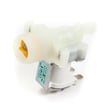
If the washer still will not fill correctly after the checks above, the issue is often in the fill system (valve not opening, sticking, or restricted internally). For this model, the most relevant replacement part is the washer water inlet valve DC62-30314K.
| Symptom | Most likely cause | What to do first |
|---|---|---|
| Slow fill or “no fill” | Clogged inlet screens, closed valve, weak pressure | Clean screens; open valves; verify pressure |
| Intermittent fill | Loose hose connection, debris in valve | Reseat hoses; clean screens |
| Overfill or wrong water level | Valve sticking or control/sensing issue | Shut off water; inspect valve; consider replacement |
Fill and water-level problems can stop the cycle, reduce cleaning performance, and contribute to leaks if hose connections are loose. Getting steady, correct water flow also helps the washer’s automatic load sensing work as intended.
Last updated: February 2026
What is the average lifespan of a Samsung washing machine?
A Samsung washing machine typically lasts 10 to 15 years with normal household use and basic maintenance. For your Samsung WF395BTPASU front-load washer, keeping the tub clean and preventing excessive vibration are two of the biggest factors that help it reach that lifespan; see the WF395BTPASU owner's manual.
Most washers reach the higher end of their lifespan when they are installed correctly, not overloaded, and kept clean.
- Load size and overloading: frequent heavy loads shorten bearing, motor, and suspension life
- Vibration and out-of-balance loads: increases wear on shocks, springs, and tub components
- Water quality and detergent use: excess suds and residue can stress the drain system
- Routine cleaning: tub-clean cycles reduce odor and buildup
- Repair history: replacing wear parts early often prevents bigger failures
| Usage pattern | Typical lifespan outcome | Notes |
|---|---|---|
| 3 to 5 loads per week | 10 to 15 years | Most common household range |
| 6+ loads per week | 8 to 12 years | Higher wear on suspension and drive |
| Frequent bulky items | 7 to 12 years | More vibration and strain |
These steps are especially important for front-load washers like the WF395BTPASU.
- Run the washer’s tub-clean cycle regularly (Samsung calls this Pure Cycle) per the WF395BTPASU owner's manual
- Leave the door slightly open between loads to dry the door boot area
- Use the correct detergent type and avoid over-dosing
- Level the washer and re-check leveling if it starts shaking
- Address banging or walking early; worn suspension parts can escalate quickly
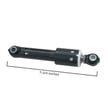
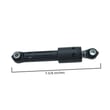
If you notice loud banging, excessive vibration, or the tub hitting the cabinet, suspension parts are common culprits. For this model, common wear items include shock absorbers such as DC66-00470A and DC66-00470B.
A washer that is kept level, clean, and free of chronic vibration runs quieter, protects the tub and motor, and reduces the chance of mid-cycle stoppages and drain issues. That is what most often separates a 10-year washer from a 15-year washer.
Last updated: February 2026