Installation guide
 Owner’s manual
 Error Codes

How to reset error code on KitchenAid dishwasher?
On KitchenAid dishwasher model KUDL15FXSS5, you can clear many control-related error conditions by canceling the current cycle and draining the unit. Use the CANCEL/DRAIN button to reset selections, then restart with START/RESUME using the steps in the owner's manual.
Quick reset steps (most common)
- Open the door slightly and wait for spraying to stop.
- Press and hold CANCEL/DRAIN once to cancel and start draining.
- Close the door; let the dishwasher drain fully (typically about 2 minutes).
- When the drain finishes, select a new cycle.
- Press START/RESUME to run.
If the code returns right away
If the error comes back immediately after a reset, treat it as an active problem (not just a stuck control state). These checks fix the most common causes:
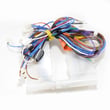
- Standing water or slow drain: check the drain path and consider the dishwasher drain pump WPW10348269 if the pump is noisy or not moving water.
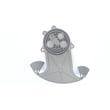
- Poor wash performance: inspect and clean the spray arm; replace if cracked or clogged (see dishwasher spray arm WPW10491331).
- Leak or door not sealing: inspect the tub lip and gasket; replace a torn gasket (see dishwasher door seal W11177741).
- Not filling or filling slowly: check the water supply valve is fully open; a failing valve can be replaced with the dishwasher water inlet valve WPW10327249.
What the buttons do (helpful reference)
| Control action | What it does | When to use it |
|---|---|---|
| Press and hold CANCEL/DRAIN | Resets control selections and cancels the cycle | When an error appears mid-cycle or the unit is stuck |
| Press START/RESUME (then close door promptly on top-control models) | Restarts the cycle | After canceling, or after a door-open interruption |
Why it matters
Resetting the control clears interrupted-cycle states and cancels incorrect selections, but it will not fix a mechanical issue like a blocked drain hose, failed drain pump, or leaking door seal. If the code repeats, troubleshooting the underlying drain, fill, or leak condition prevents repeat shutdowns.
Last updated: February 2026
What is the most common problem with a KitchenAid dishwasher?
The most common issues we see with a KitchenAid dishwasher like model KUDL15FXSS5 are poor cleaning and draining problems. In many cases, the root cause is a clogged filter or spray arm, or a drain problem that leaves standing water and stops the cycle from finishing normally.
Most common symptoms (and what they usually point to)
- Dishes still dirty or gritty: spray arm holes blocked, filter area clogged, or loading blocking water flow
- Standing water in the bottom: drain path restriction, drain hose issue, or a failing drain pump
- Won’t start or stops mid-cycle: door not fully latched, Start/Resume not confirmed, or power interruption
- Door leaks: worn door seal or lower door seal
- Upper rack issues: worn rack wheels or rail stops causing poor rack movement and misalignment
Quick checks we recommend first
Before replacing parts, we recommend these fast checks from the KUDL15FXSS5 owner's manual:
- Confirm the door is fully closed and latched; if Start/Resume is blinking, close the door and press Start/Resume
- Make sure large dishes are not interfering with the wash system at the back of the tub
- Verify a cycle is selected and the dishwasher has power (breaker or fuse not tripped)
- Check the filter area for debris buildup and clean it
- Inspect the spray arm for clogs and free movement
Parts that commonly solve these problems on KUDL15FXSS5
If the basic checks do not fix the issue, these model-matched parts are common next steps:
| Problem you notice | Common part to inspect/replace | Why it matters |
|---|---|---|
| Standing water, poor draining | Dishwasher drain pump WPW10348269 | Moves water out; a weak pump can leave water behind |
| Leaks around the door | Dishwasher door seal W11177741 | A flattened or torn seal lets water escape |
| Poor wash coverage | Dishwasher spray arm WPW10491331 | Clogged or damaged jets reduce cleaning power |
| Not filling or fills slowly | Dishwasher water inlet valve WPW10327249 | Low fill reduces pressure and cleaning performance |
Why it matters
Poor cleaning and draining are more than convenience issues; they can cause odors, redeposit food soil on dishes, and increase cycle time because the dishwasher pauses and adjusts during operation.
Last updated: February 2026
What's the average lifespan of a KitchenAid dishwasher?
A KitchenAid undercounter dishwasher like model KUDL15FXSS5 typically lasts 10 to 12 years. With consistent cleaning, correct detergent use, and prompt repair of leaks or draining problems, it’s common to reach the upper end of that range.
Typical lifespan and what affects it
Most dishwasher life is determined by how hard it works and how clean the wash system stays.
- Usage frequency: multiple loads per day shortens life faster than light weekly use
- Water quality: hard water speeds up mineral buildup on the heater and internal parts
- Maintenance: cleaning filters and spray arms prevents strain on the pump and motor
- Loading habits: blocked spray arms and overcrowding reduce cleaning and increase wear
- Small leaks: even minor door seal leaks can damage components over time
Maintenance that helps you get the full service life
Use these habits to reduce wear on key parts like the heater, drain pump, and racks.
- Clean the filter area regularly; remove debris before it reaches the sump
- Keep rinse aid filled for better drying and to reduce hard-water deposits (noted in the owner's manual)
- Expect longer cycles; many efficient models average 2 to 3 hours per load (noted in the installation guide)
- Check and clear spray arm holes if you see gritty residue or poor wash results
- Fix leaks quickly; a worn door seal is a common cause (see dishwasher door seal W11177741)
Quick reference: age vs. what to watch for
| Dishwasher age | What’s common | What we recommend |
|---|---|---|
| 0 to 5 years | Minor clogs, loading issues | Clean filter, verify drain setup, use rinse aid |
| 6 to 10 years | Draining or drying performance drops | Inspect drain path, check heater function |
| 10 to 14 years | More frequent part failures | Replace worn parts as needed; evaluate overall condition |
Why it matters
Knowing the typical lifespan helps you decide whether to maintain and repair your KUDL15FXSS5 (for example, addressing a leak early with a new seal) or plan for replacement when multiple major symptoms show up at once.
Last updated: February 2026