Installation guide
 Owner’s manual
 Error Codes


What is the most common problem with whirlpool washers?
The most common problems we see with Whirlpool washers like model WTW8900BW0 are draining or spinning issues (clothes still wet), vibration from unbalanced loads, and fill problems caused by water-supply or hose issues. Many of these are fixed with correct loading, hose checks, and basic troubleshooting in the owner's manual.
Most common issues (and what to check first)
- Washer not draining or not spinning: check drain hose installation, clogs, and suds from non-HE detergent.
- Vibration, rocking, or “walking”: level the washer and load items evenly around the washplate.
- Washer will not run: confirm power, lid closed, and normal cycle pauses.
- Won’t fill or fills slowly: verify both faucets are on and inlet screens are not clogged.
- Water on the floor: confirm fill hose washers are seated and household plumbing is not backing up.
Quick troubleshooting for WTW8900BW0
Draining or spinning problems (wet loads)
- Run Rinse/Drain & Spin to remove excess water.
- Use HE detergent only and measure correctly; excess suds can slow or stop draining.
- Check the drain hose:
- Do not tape over the drain opening.
- Keep the hose end below about 96 in. above the floor.
- Make sure the hose does not push too far into the standpipe (typically no more than 4.5 in.).
- If the washer drains but still leaves clothes wet, reduce load size and redistribute items.
Vibration or “walking”
- Make sure all feet are firmly on the floor and locked.
- Load garments in loose heaps evenly around the washplate (avoid piling directly over the center).
- Avoid washing single heavy items; balance with a few extra items.
Common symptoms and likely causes
| Symptom | Most likely cause | Best first step |
|---|---|---|
| Clothes still wet | Drain hose issue, oversudsing, unbalanced load | Rinse/Drain & Spin; check hose and detergent |
| Shaking or banging | Washer not level, load off-balance | Level feet; redistribute load |
| Won’t fill | Water supply off, clogged inlet screens | Turn on both faucets; clean screens |
Why it matters
Drain, spin, and balance problems can stop the cycle, leave clothes soaking wet, and strain components like the wash system and pump. Fixing loading, leveling, and hose setup prevents repeat failures and nuisance shutdowns.
Last updated: February 2026
What is the life expectancy of a WTW8900BW0 washer?
A Whirlpool WTW8900BW0 top-load washer typically lasts 11 years with normal household use and proper care. Consistent maintenance, correct loading, and fixing small issues early (like draining or spinning problems) help you reach or beat that average.
Typical lifespan and what affects it
Most washers wear out from a mix of mechanical stress, moisture, and vibration. The biggest factors are:
- Load size and balance (frequent overloading shortens life)
- Detergent type and amount (use HE detergent; too much causes residue and extra strain)
- Installation and leveling (reduces “walking” and suspension wear)
- Water quality and hose condition (sediment and restricted flow increase fill time and stress)
- How quickly you address symptoms (noise, leaks, slow drain, error codes)
Quick maintenance checklist (high impact)
Use these habits to extend the life of your WTW8900BW0:
- Keep loads evenly distributed; avoid washing single heavy items alone
- Run a cleaning cycle periodically (your cycle options are outlined in the owner's manual)
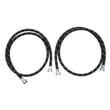
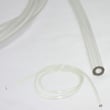
- Inspect fill hoses for bulges, cracking, or leaks; replace as needed (example: washer fill hose set 8212545RP)
- Make sure the washer is level and the feet are firmly on the floor to prevent vibration
- If draining is slow or the washer will not spin out water, troubleshoot promptly before repeated use
Common wear items vs. “end of life”
Many “old washer” symptoms are repairable with the right part.
| Symptom | Common cause | Example part for this model |
|---|---|---|
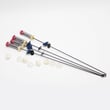
| Won’t lock or start | Lid lock failure | Washer lid lock WPW10619844 |
| Won’t drain or leaves water | Pump or drain restriction | Washer water pump WPW10403803 or washer drain hose WPW10363893 |
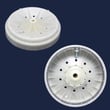
| Poor agitation or slipping | Drive hub wear | Hub W10820039 |
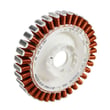
| Loud/rough spin, position errors | Rotor/sensor issues | Rotor 280146 or washer motor rotor position sensor WPW10178988 |
Why it matters
Knowing the typical 11-year life expectancy helps you decide whether to maintain, repair, or plan ahead. A simple fix (like a lid lock, pump, or hub) often restores performance and prevents secondary damage to the basket, tub, or motor system.
Last updated: February 2026
How to check for a clogged drain pump on a whirlpool washer?
On the Whirlpool WTW8900BW0 washer, a clogged drain pump usually shows up as slow draining, no drain, or clothes still wet at the end of the cycle. We check the easy restrictions first (drain hose and load/suds issues), then inspect the pump area for small items that can jam the impeller.
Quick checks before opening the washer
- Run RINSE/DRAIN & SPIN to see if it will drain with no detergent added.
- Confirm you are using HE detergent and not over-dosing; excess suds can slow or stop draining.
- Check the drain hose installation: securely attached, not kinked, and not clogged.
- Make sure the drain hose does not go too far into the standpipe (the manual calls out a maximum of 4.5 in. (114 mm)).
- Verify the drain hose outlet is not higher than 96 in. (2.4 m) above the floor.
How we check for a clogged pump (safe, practical approach)
- Unplug the washer (electrical shock hazard).
- Bail out water if the tub is full (use a shallow pan and towels).
- Inspect the drain hose for a blockage first; many “pump clogs” are actually hose clogs.
- If draining is still poor, access the pump area and look for small items (coins, socks, hair pins) that can get caught in the pump or between the basket and tub.
- After clearing debris, run RINSE/DRAIN & SPIN again to confirm normal draining.
When the pump is likely the problem (not just a clog)
A clog is common, but if the washer still will not drain after clearing restrictions, the pump itself can be failing.
| What you observe | Most likely cause | What to do next |
|---|---|---|
| Hums but drains slowly | Partial blockage in pump or hose | Recheck hose and pump for debris |
| No pump sound, no drain | Pump not running or wiring issue | Inspect connections; consider pump replacement |
| Drains sometimes, then stops | Intermittent jam or heavy suds | Remove debris; correct detergent use |
If replacement is needed, the correct pump for this model is the washer water pump WPW10403803.
Why it matters
A restricted drain system can leave loads wet, trigger long cycle times, and strain the pump. The WTW8900BW0 troubleshooting guidance also notes that small items caught in the pump can slow draining, and that suds from non-HE detergent or too much detergent can stop draining.
For model-specific safety steps and drain hose setup details, follow the WTW8900BW0 owner's manual and the WTW8900BW0 installation guide.
Last updated: February 2026
What is the capacity of the WTW8900BW0?
The Whirlpool WTW8900BW0 top-load washer has a 4.8 cu. ft. capacity. That larger basket is built for fewer loads and better handling of bulky items when you load loosely and keep items evenly distributed. For model-specific loading guidance, use the WTW8900BW0 owner's manual.
What 4.8 cu. ft. means for everyday loads
A 4.8 cu. ft. basket is considered large capacity for a Whirlpool top-load washer.
- Washes larger mixed loads (jeans, shirts, towels) in fewer cycles
- Handles bulky items better when balanced around the washplate
- Cleans best when you load loosely (do not pack items down)
- Spins more smoothly when the load is evenly distributed
- Helps reduce overfilling, which can cause poor agitation and out-of-balance spinning
Quick capacity guide (practical examples)
Examples vary by fabric thickness and how absorbent the load is.
| Load type | What typically fits in 4.8 cu. ft. | Best practice |
|---|---|---|
| Everyday mixed | A large hamper-sized load | Keep items below the top of the basket |
| Towels | Several bath towels plus hand towels | Mix sizes to improve movement |
| Bulky items | 1 comforter or thick blanket | Spread evenly; pause to redistribute if needed |
Why it matters
Capacity affects cleaning and spin performance. Overloading reduces water flow and agitation; underloading can cause tangling. Using the right cycle and load size helps protect the washplate, spin basket, and drive components.
Related tips for best results
- Match cycle and options to the load type (soil level, fabric, and water temperature)
- If the washer will not spin or drains poorly, check for a kinked drain line; a damaged hose may need replacement such as the washer drain hose WPW10363893
- For fault displays, use a Whirlpool top-load reference like Whirlpool cabrio top load washer error codes
Last updated: February 2026