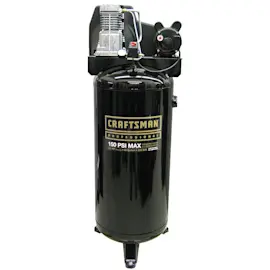
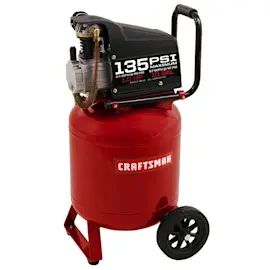
Owner’s manual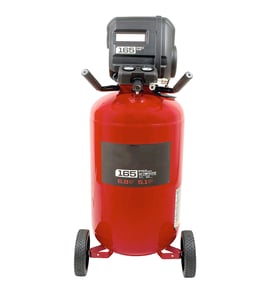

How to read compressor model numbers?
For a Craftsman air compressor like model 919164150, the most reliable way to “read” the model number is to use it as the exact identifier for the correct parts list, wiring, and specifications for that unit. We use the model number to match the right pump, tank, regulator, gauges, and electrical requirements shown in the owner's manual.
Where to find the model number on an air compressor
Most air compressors list the model number on a rating plate or label on the tank or frame. For service and parts ordering, the manual calls out the key details to provide.
- Model number (example: 919164150)
- Part number (for the specific replacement part)
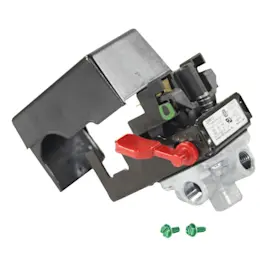
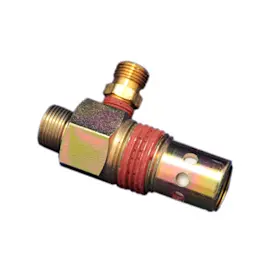
- Part description (pressure switch, regulator, check valve, etc.)
- Item name (air compressor)
What the model number tells you (and what it does not)
Air compressor model numbers are primarily an identification code, not a universal “spec decoder.” Unlike some HVAC or refrigeration compressors, there is no single industry-wide pattern that always reveals PSI, CFM, or tank size.
Typical information tied to a model number
| What you can do with the model number | What you usually need to look up separately |
|---|---|
| Match the correct parts diagrams and service info | Tank capacity, SCFM/CFM, max PSI |
| Confirm the correct manual and safety instructions | Motor HP rating and duty cycle |
| Verify electrical requirements for your exact unit | Pump design details (oil-free vs oil-lube) |
Model-specific tips for Craftsman 919164150
From the manual for this unit, we can confirm these model-level characteristics and usage notes:
- It is a one-cylinder, single-stage compressor pump with an air tank.
- It is oil-free (no oil to add or change).
- Use extra air hose instead of an extension cord when possible to reduce voltage drop.
- If an extension cord is necessary: use a 3-wire grounded cord, 50 ft max, and 12 AWG or larger (never 14 or 16 AWG).
Why it matters
Using the exact model number prevents wrong-part returns and helps avoid electrical issues like nuisance breaker trips or motor overheating. It also ensures you follow the correct operating and maintenance guidance for your specific Craftsman air compressor.
Last updated: February 2026
Is a 150 PSI air compressor good for car detailing?
Yes. A 150 PSI air compressor like the Craftsman 919164150 is a strong choice for car detailing because most detailing tools run around 60 to 90 PSI, and the extra headroom helps the regulator maintain steady pressure while you work (as long as the compressor can keep up on airflow).
What matters most for detailing (PSI vs CFM)
PSI is the maximum pressure the tank can store; CFM is how long you can run air tools before the compressor has to catch up.
- Blow guns and duster guns: low CFM; 150 PSI is more than enough
- Tornador-style cleaning tools: moderate to high CFM; tank size and recovery time matter
- Inflating tires: low to moderate CFM; pressure headroom helps
- Air brushes and small sprayers: need clean, dry air; consider filtration
- Paint spray guns: typically high CFM; many small compressors struggle even if PSI is high
How to set it up on model 919164150
Our manual for this permanently lubricated, oil-free style compressor explains using the OFF/AUTO control and the air pressure regulator to set correct outlet pressure for the tool. Follow the operating steps in the owner's manual.
Quick operating checklist
- Set OFF/AUTO to OFF before connecting the air hose
- Attach hose and accessory, then switch to AUTO
- Turn the regulator clockwise to raise outlet pressure; set it to the tool’s requirement
- Use filtered air for tools that need it (helps prevent water condensation damage)
- After use, bleed pressure down and drain the tank to remove water
Recommended pressure settings (typical)
Use the tool’s label as the final authority; these are common starting points.
| Detailing task | Typical regulator setting | Notes |
|---|---|---|
| Blow gun drying | 60 to 90 PSI | Great for crevices and trim |
| Tornador-style tool | 80 to 90 PSI | Needs higher CFM for continuous use |
| Tire inflation | 30 to 40 PSI | Inflate in short bursts |
| Air brush | 15 to 30 PSI | Add filtration for best results |
Why it matters
Running a tool at the right outlet pressure protects the tool and improves results. The manual also warns that too much air pressure creates a bursting hazard, so using the regulator correctly is part of safe operation.
For deeper troubleshooting if performance is weak, use air compressor won't build tank pressure to pinpoint common causes like leaks, valve issues, or pump wear.
Last updated: February 2026
What is the average lifespan of an air compressor?
Most homeowner, tank-mounted piston air compressors like the Craftsman 919164150 typically last 8 to 15 years with normal DIY use and basic maintenance. Heavy, daily use and poor ventilation shorten life; keeping the tank drained and the intake clear extends it. For model-specific care steps, use the owner's manual.
Typical lifespan by compressor type
Lifespan depends mainly on duty cycle (how long it runs), heat, and moisture control.
| Compressor type | Typical lifespan | Best fit for |
|---|---|---|
| Oil-free, tank-mounted piston (common DIY) | 5 to 10 years | Intermittent tools, inflation, light spraying |
| Permanently lubricated or oil-lubricated piston | 10 to 15 years | Frequent DIY, small shop use |
| Rotary screw (shop/industrial) | 10 to 20 years | Continuous air demand |
What shortens lifespan fastest
These are the most common “life reducers” we see on tank-mounted compressors:
- Running in a hot, dusty, or poorly ventilated area (overheats the pump and motor)
- Using long or undersized extension cords (causes voltage drop and motor stress)
- Letting water sit in the tank (internal corrosion)
- Ignoring air leaks (forces longer run time)
- Clogged intake filter or blocked shroud/head airflow
Maintenance that adds years (especially for 919164150)
Your manual notes this model is oil-free and needs no lubrication/oiling, so focus on airflow and moisture control. Use these habits:
- Drain moisture from the tank routinely (more often in humid weather)
- Keep the unit at least about 12 inches from walls/obstructions for cooling airflow
- Use extra air hose instead of an extension cord when possible
- If you must use an extension cord, use a 3-wire grounded cord; keep it 50 ft or less and 12 AWG or larger
- Fix leaks promptly and verify the regulator and gauges respond normally
Why it matters
A compressor that is overheating, leaking, or waterlogged can still “run,” but it wears out the pump, check valve, pressure switch, and motor much faster. Good ventilation and moisture control are the biggest lifespan multipliers for a tank-mounted air compressor.
For troubleshooting that directly impacts longevity, see air compressor air leaks and air compressor won't build tank pressure.
Last updated: February 2026
What company makes Craftsman air compressors?
Craftsman is a brand name, so Craftsman air compressors have been built by different manufacturers over the years. For the Craftsman 919164150 air compressor, the most reliable way to identify the original manufacturer and service details is to use the model and specifications listed in the owner's manual.
How to identify who built your specific Craftsman 919164150
We recommend using these model-based checks because Craftsman sourcing has changed over time.
- Match the model number 919164150 on the data plate to the model shown in the manual
- Check the manual’s parts ordering/service section for the original service organization
- Look for any manufacturer code or additional identifiers on the compressor label (often near the tank)
- Use the compressor’s type listed in the manual (this model is described as a permanently lubricated, tank-mounted air compressor)
- Keep the part number and part description together when ordering or cross-referencing components
What “Craftsman” means for manufacturing
Craftsman-branded compressors are commonly produced by OEM manufacturers under contract, and the OEM can vary by era and model series. That is why the model number is the best identifier for parts and repair guidance.
Quick reference
| What you have | What it tells you | Best next step |
|---|---|---|
| Craftsman brand name | Brand/label, not the factory | Use model-based documentation |
| Model number (919164150) | The correct parts and service reference | Follow the manual’s service/parts guidance |
| Manual description (tank-mounted, permanently lubricated) | Helps match the right repair procedures | Use compressor-specific troubleshooting steps |
Why it matters
Using the correct OEM identification prevents ordering the wrong pressure switch, check valve, regulator, or gauge. It also ensures you follow the right safety and maintenance procedures for your exact compressor design.
Related DIY help for common compressor issues
If you are troubleshooting (rather than identifying the OEM), these guides help narrow the problem quickly:
Last updated: February 2026
What is the most common cause of air compressor failure?
For the Craftsman 919164150 air compressor, the most common “failure” we see starts with missed maintenance and unsafe operating conditions: water left in the tank (rust and thinning), restricted ventilation (overheating), and air leaks that make the pump run too long. These issues snowball into worn valves, damaged seals, and motor or pressure-switch problems.
The top failure causes to watch first
- Water left in the tank: not draining condensation leads to internal rust and a weakened tank.
- Overheating from poor airflow: blocked ventilation openings can cause serious overheating.
- Air leaks: leaks at fittings, the pressure switch release valve, or check valve force longer run times.
- Restricted intake filter: a clogged filter reduces output and increases pump stress.
- Pressure control problems: a pressure switch that does not shut off at cut-out can create excessive pressure and repeated safety valve events.
Quick checks you can do safely
Before any inspection, unplug the compressor and bleed off tank pressure (the manual calls this out as a safety step).
- Drain the tank fully, then listen for leaks as it refills.
- Check fittings for looseness (common source of leaks).
- Confirm ventilation openings are clear and the unit is not boxed in.
- If the safety valve pops or hisses, stop using the compressor and troubleshoot the pressure control system.
- If the motor will not restart, check for overload trip causes such as heat, extension cord issues, or a stuck-open check valve.
Symptoms and the most likely root cause
| What you notice | Most common cause | What it leads to |
|---|---|---|
| Tank will not hold air | Leak at fittings, valve, or tank | Longer run time, overheating |
| Safety valve pops off | Pressure switch not shutting off | Overpressure events, unsafe operation |
| Low air output | Restricted intake filter or leaks | Pump wear, poor tool performance |
| Motor will not run/restart | Overload trip, wiring/cord issues, check valve stuck | No-start, repeated trips |
Why it matters
On this model, the manual specifically warns that failing to drain condensed water can rust and thin the steel tank, and restricting ventilation can cause serious overheating. Preventing those two conditions avoids the most expensive failures and the most unsafe operating scenarios.
For model-specific operating and maintenance steps, follow the owner's manual. If your issue matches a no-start symptom, use our air compressor won't start troubleshooting steps to narrow it down quickly.
Last updated: February 2026