Owner’s manual
 Error Codes


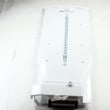

How long should an LG water filter last?
For the LG LFCS25426S bottom-mount refrigerator, we replace the refrigerator water filter every 6 months under normal use, or sooner if water flow slows or the filter indicator turns on. This keeps water tasting fresh and helps protect the dispenser and ice maker from sediment buildup.
When to replace it sooner
Replace the filter before 6 months if you notice any of these:
- Water tastes or smells different
- Dispensed water flow is slower than normal
- Ice cubes are smaller or hollow
- The filter light stays on after a reset
- You recently had plumbing work or a water advisory and want a fresh filter
For model-specific filter location and reset steps, follow the instructions in the LFCS25426S manual.
What “6 months” means in real use
Filter life is based on typical household water use and average water quality. If your home has hard water, sediment, or heavy ice and water use, the filter can clog faster.
| Usage pattern | Typical replacement timing | What you may notice |
|---|---|---|
| Average use | Every 6 months | Normal taste and flow |
| Heavy ice and water use | Every 3 to 6 months | Flow slows sooner |
| Sediment or hard water | Every 2 to 4 months | Cloudy ice, off taste |
After you change the filter
A quick flush helps clear trapped air and carbon fines.
- Install the new filter fully seated
- Dispense and discard several gallons of water (or until flow is steady)
- Dump the first bin or two of ice
- Reset the filter indicator using the steps in the LFCS25426S manual
Why it matters
A timely filter change helps maintain water quality and steady dispenser flow, and it reduces strain on the refrigerator’s water system components.
Last updated: January 2026
What is the problem with the LG bottom freezer refrigerator?
On the LG LFCS25426S bottom-mount refrigerator, the most common “problem” customers report is a cooling imbalance: the fresh food section gets too warm while the freezer stays very cold. This is usually tied to restricted airflow, a defrost issue, or a temperature-sensing/control problem (not a single universal defect).
Quick checks we recommend first
- Confirm the refrigerator is set to typical targets (about 37°F fresh food and 0°F freezer).
- Make sure vents inside the fresh food section are not blocked by food packages.
- Check that doors close fully and gaskets seal all the way around.
- Listen for the evaporator fan running when the doors are closed.
- Look for frost buildup on the rear freezer panel (a clue of a defrost/airflow issue).
For model-specific operating tips and control settings, use the LFCS25426S manual.
What usually causes “freezer cold, fridge warm”
In bottom-mount designs like the LFCS25426S, most cooling is made in the freezer and then moved to the refrigerator section through ducts. If that airflow is reduced, the freezer can stay cold while the refrigerator warms.
| Symptom you notice | Most likely area to check | Example related part for this model |
|---|---|---|
| Fridge warm, freezer OK | Airflow from freezer to fridge | LG refrigerator evaporator fan motor 4681JB1027C |
| Temps swing up and down | Temperature sensing/control | Refrigerator temperature sensor 6500JB2002E |
| Frost/ice on freezer back wall | Defrost system not clearing frost | Kenmore elite refrigerator defrost heater 5300JK1005Z |
Why it matters
When airflow or defrost performance is off, food in the fresh food section can enter unsafe temperature ranges even though the freezer still seems “fine.” Catching the cause early can prevent spoiled food and reduce strain on the compressor.
When to move from checks to repair
If the vents are clear, the doors seal, and settings are correct but the refrigerator section still warms up, we typically focus next on:
- Evaporator fan operation and airflow path
- Frost pattern and defrost performance
- Thermistor (temperature sensor) readings and wiring
Last updated: January 2026
Why is my LG refrigerator leaking from the bottom?
On the LG LFCS25426S bottom-mount refrigerator, a leak from the bottom is most often caused by defrost water not draining correctly (then overflowing and running down), or by a water-supply leak feeding the ice maker. Start by identifying whether the water is clear (water system) or dirty (defrost drain). See the LFCS25426S manual for access and care guidance.
Quick checks we recommend first
- Unplug the refrigerator and dry the floor so you can track fresh water.
- Look for ice or standing water in the freezer bottom (common with a drain issue).
- Check the ice maker fill area and rear water line for drips.
- Confirm doors close fully; warm air can increase frost and defrost water.
- Pull the unit forward and inspect the area around the drain pan.
Most common causes (and what to do)
1) Clogged or frozen defrost drain
When the drain is blocked, defrost water can back up, freeze, then melt and leak out the bottom.
- Thaw visible ice in the freezer floor area.
- Flush the drain with warm water (a turkey baster works well).
- Clear debris from the drain opening and tube.
2) Ice maker or water-supply leak
If the leak is clear water and you have an ice maker connected, check the supply path.
- Inspect the tubing and fittings for slow drips.
- If the ice maker housing is cracked or leaking, replace the ice maker assembly (AEQ72909602) - refrigerator ice maker part by LG AEQ72909602.
- If water continues to seep into the ice maker or you see dripping at the back, the refrigerator water inlet valve 5220JB2010A can be the source.
3) Drain pan issues
A shifted, cracked, or overflowing pan can leave water under the cabinet. For this model, the compatible part is the refrigerator defrost drain pan MJS62591901.
Symptom-to-cause guide
| What you see | Most likely cause | Where to look |
|---|---|---|
| Water is dirty or has debris | Defrost drain backup | Freezer floor and drain opening |
| Clear water, worse when making ice | Ice maker or inlet valve leak | Ice maker area and rear connections |
| Water only under the unit | Drain pan problem | Under cabinet near compressor area |
Why it matters
Bottom leaks can lead to floor damage and can also signal a defrost drainage problem that may later cause ice buildup and poor cooling.
Last updated: January 2026