 Installation guide
 Owner’s manual




What is the average lifespan of a GE dishwasher?
A GE dishwasher typically lasts 10 to 12 years. For your GE GDT550HSD1SS, consistent cleaning, correct detergent use, and fixing small issues early often helps you reach (or exceed) that average; heavy daily use and hard water buildup usually shorten it.
What affects dishwasher lifespan most
- Hard water scale: mineral buildup can reduce wash performance and strain the heater.
- Filter and spray arm clogs: restricted water flow makes the pump work harder.
- Door sealing and leaks: even small leaks can damage components over time.
- Loading habits: blocked spray arms and overcrowding reduce cleaning and increase rewash cycles.
- Heat and drying performance: poor drying can point to heater or airflow issues.
Maintenance checklist (high impact, low effort)
Use these habits with GDT550HSD1SS to extend service life:
- Clean the filter area regularly; remove debris before it recirculates.
- Check spray arm holes for blockage; clear with a toothpick if needed.
- Run a cleaning cycle periodically to reduce film and mineral buildup.
- Use dishwasher detergent and rinse aid as directed in the owner's manual.
- Inspect the door seal for tears, flattening, or gaps.
Common wear items and what they do
| Part | What you may notice when it is failing | Example part for GDT550HSD1SS |
|---|---|---|
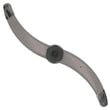
| Lower spray arm | Poor cleaning on bottom rack, gritty residue | Dishwasher spray arm, lower WD22X33499 |
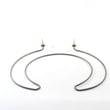
| Heater element | Dishes not drying well, cooler wash water | Dishwasher heater element WD05X30818 |
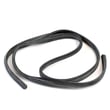
| Tub gasket | Water leaking at the door or tub edge | Tub gasket WD08X23476 |
Why it matters
A dishwasher that is maintained and washing efficiently runs fewer repeat cycles, uses less energy, and puts less stress on the pump, heater, and control system. That is the simplest path to hitting the typical 10 to 12 year lifespan.
Last updated: January 2026
What is the most common problem with GE dishwashers?
The most common GE dishwasher problems are drainage and wash-performance issues caused by food debris buildup in filters, the drain path, or spray components. On the GE GDT550HSD1SS, regular filter cleaning and checking the drain setup prevents many “not draining” and “not cleaning” complaints.
Most common issues we see (and what they usually point to)
- Not draining or standing water: clogged filters, blocked drain hose, or a drain restriction at the sink connection
- Not cleaning well or gritty dishes: dirty filters, clogged spray arm holes, or poor loading
- Won’t start or beeps: door not fully closed, Start sequence not completed, or a door latch issue
- Not drying: rinse aid empty, heater or cycle settings not optimized
- Beeping during operation: door left open during the cycle (the manual notes it will beep until Start is pressed and the door is closed)
Quick checks that fix the majority of complaints
Start with these steps from easiest to most impactful; details and diagrams are in the GDT550HSD1SS owner’s manual.
- Clean the filters (GE recommends inspecting periodically, about every other month depending on usage)
- Confirm the door closes firmly and latches every time
- Run hot water at the sink before starting a cycle (helps wash performance)
- Check the drain hose routing for kinks or crushing
- If you have an air gap, clean it (a clogged air gap can mimic a drain failure)
Parts that commonly relate to these symptoms (for this model)
| Symptom | Common part area | Example part for GDT550HSD1SS |
|---|---|---|
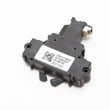
| Won’t start, stops mid-cycle | Door latch system | GE dishwasher door latch lock WD21X10490 |
| Poor cleaning on lower rack | Lower spray coverage | Dishwasher spray arm, lower WD22X33499 |
| Not draining | Drain path or pump | Dishwasher drain hose WD24X10062 |
Why it matters
Most “big” dishwasher problems start as simple restrictions: a partially clogged filter or drain path reduces water flow, hurts cleaning, and can trigger beeping or cycle interruptions. Keeping the filters clean and the drain path clear protects the pump, improves results, and reduces service calls.
Last updated: January 2026
Can a clogged drain cause an FTD error?
Yes. On the GE GDT550HSD1SS dishwasher, an FTD (fail to drain) condition commonly happens when water cannot leave the tub due to a clog in the drain path, such as the air gap, disposer connection, filter area, or drain hose. See the GDT550HSD1SS owner's manual for drain and air gap cleaning steps.
What to check first (fastest fixes)
- Turn the dishwasher off, then check for standing water in the bottom of the tub.
- If your installation has an air gap, remove the cover and cap and clean out debris.
- If the dishwasher drains into a garbage disposer, run the disposer clear and confirm the disposer inlet is not blocked.
- Check that the kitchen sink drains normally; a slow sink often points to a plumbing restriction.
- Inspect the drain hose routing for kinks, pinches, or a sag that can trap water.
Parts that can be involved
A clog is often just debris, but if draining is still weak after cleaning, these parts are commonly involved:
- Dishwasher drain hose WD24X10062 (kinked, clogged, or restricted)
- Drain pump area (impeller jammed by glass, labels, or food)
- Filter area (heavy soil buildup that recirculates into the sump)
| Symptom | Most likely cause | Best next step |
|---|---|---|
| Water standing in tub | Air gap clogged | Clean the air gap and retry |
| Hums but won’t drain | Pump/impeller jam or hose restriction | Clear obstruction; inspect hose |
| Drains slowly | Partial clog in hose or disposer connection | Flush hose path; run disposer |
| Sink backs up too | House drain restriction | Clear sink drain or call a plumber |
Why it matters
When the drain path is restricted, the dishwasher can’t pump water out efficiently. That can trigger an FTD error, leave dirty water in the tub, and reduce cleaning performance on the next cycle.
Helpful reference
- Use GE electronic dishwasher error codes to interpret drain-related codes and what to check next.
Last updated: January 2026
Is it worth fixing a GE dishwasher?
Fixing a GE dishwasher like model GDT550HSD1SS is worth it when the problem is a common wear item (latch, spray arm, drain hose, heater) and the total repair cost stays well below the price of a comparable new dishwasher. If the unit needs repeated major electronic repairs, replacement is usually the better value.
Quick decision checklist
- The dishwasher is under 10 years old.
- The issue is one clear failure, not multiple symptoms.
- The repair is under about 50% of replacement cost (parts plus labor).
- The tub is in good shape (no major leaks or damage).
- You are not seeing frequent error codes or intermittent power issues.
Common “worth fixing” repairs on GDT550HSD1SS
These are typical fixes that often restore performance without replacing the whole unit:
- Door won’t latch or start: check the GE dishwasher door latch lock WD21X10490 and strike alignment.
- Poor cleaning or gritty dishes: clean filters and inspect spray arms such as the dishwasher spray arm, lower WD22X33499.
- Not drying well: heating circuit issues can involve the dishwasher heater element WD05X30818.
- Not draining: inspect the drain path and consider the dishwasher drain hose WD24X10062 if it is kinked or restricted.
When replacement usually makes more sense
| Situation | What it often points to | Typical direction |
|---|---|---|
| Multiple symptoms at once | Control or wiring issues | Replace if costs climb |
| Repeated electronic failures | Control board or UI problems | Replace more often than repair |
| Chronic leaking from door/tub area | Seals, alignment, or tub issues | Repair if simple; replace if persistent |
Why it matters
A dishwasher repair is most cost-effective when it restores reliable washing and drying for several more years. GE’s manual also emphasizes proper installation and maintenance, which helps prevent repeat failures and service issues; use the GDT550HSD1SS owner’s manual for model-specific care and operating guidance.
Last updated: January 2026





