Error Codes


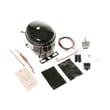
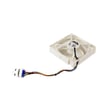
What is the most common problem with GE profile refrigerators?
The most common problems we see on GE Profile refrigerators like model PYE22KSKMSS are ice maker and water dispenser issues, followed closely by temperature complaints (fresh food section warming up or freezer not holding temp). Most of these trace back to airflow, frost buildup, or a sensor/control issue.
Most common issues (and what they look like)
- Ice maker not making ice or slow ice: empty bin, small cubes, clumping, or frost around the ice room
- Water dispenser problems: weak flow, no water, or intermittent dispensing
- Warm refrigerator, cold freezer: poor airflow from the freezer to the fresh food section
- Noisy operation: clicking, buzzing, or a loud fan sound that changes when doors open
- Water leaks or puddles: water under crisper drawers or on the floor
Quick checks you can do first
- Confirm door closure and seals: a door left slightly open can trigger alarms, frost, and temperature swings.
- Check for blocked vents: avoid packing food tightly against air vents in the fresh food section.
- Look for frost buildup: heavy frost in the freezer often points to a defrost or airflow problem.
- Verify water supply: make sure the shutoff valve is fully open and the supply line is not kinked.
- Reset the door alarm if it is stuck on: follow the steps in how to reset the door alarm on a GE refrigerator.
Common causes and the likely fix
| Symptom | Most common cause | Typical next step |
|---|---|---|
| Ice maker slow or not making ice | Restricted water flow, ice buildup, or inlet valve issue | Replace filter if due, clear ice, check valve function |
| Fresh food warm, freezer OK | Evaporator fan or airflow restriction | Check fan operation and clear obstructions |
| Puddles inside or under fridge | Clogged/iced drain or door seal issue | Clear drain path, check gasket sealing |
| Random beeping | Door not fully closed or alarm setting | Reset alarm, inspect door alignment |
Why it matters
Ice and cooling problems usually get worse over time: poor airflow and frost buildup can push temperatures out of the safe food range and make the compressor and fans run longer than normal.
Last updated: February 2026
What are the disadvantages of a bottom freezer?
For the GE PYE22KSKMSS bottom-mount refrigerator, the main disadvantages are that you have to bend down to reach frozen foods, the freezer drawer can feel less organized than shelves, and the heavy pull-out drawer puts more wear on slides, rails, and door seals over time.
Common drawbacks you’ll notice day to day
- More bending and squatting to access frozen items, especially items stored at the bottom of the drawer.
- “Stacking” can hide food; items can get buried under bags and boxes.
- Heavier drawer feel when fully loaded; it can be harder for kids or some adults to open smoothly.
- More moving parts in the freezer (drawer glides, rails, basket supports) that can loosen or wear.
- Potential for more frost or air leaks if the drawer is not closing squarely or the gasket is dirty.
Bottom freezer vs. top freezer: quick comparison
| Feature | Bottom freezer (like PYE22KSKMSS) | Top freezer |
|---|---|---|
| Fresh food access | Best (eye-level) | Good, but lower shelves require bending |
| Freezer access | Requires bending | Easier, more upright access |
| Organization style | Drawer and baskets | Shelves and bins |
| Wear points | Drawer rails, alignment, gasket | Door hinges, gasket |
Why it matters (and what it affects)
A bottom freezer design concentrates weight in a pull-out drawer. When the drawer is packed, it increases stress on alignment and sealing surfaces. If the drawer starts closing unevenly, you can see temperature swings, frost buildup, or moisture that later turns into odors or puddles.
Tips to reduce the downsides
- Put most-used frozen foods on top in the upper basket.
- Avoid overloading; keep the drawer from dragging or rubbing.
- Wipe the freezer gasket and mating surfaces monthly to help it seal.
- If you notice beeping or a door-open warning, follow how to reset the door alarm on a GE refrigerator.
- If cooling seems inconsistent, check for diagnostic clues in GE refrigerator error codes.
Last updated: February 2026
How to remove bottom grille on GE refrigerator?
On the GE PYE22KSKMSS bottom-mount refrigerator, the bottom grille (base grille or toe grille) typically comes off by removing any retaining screws (if present) and then pulling the grille straight out to release the clips. Reinstall by aligning it and pushing it back into place.
Before you start
- Unplug the refrigerator or switch off power at the breaker (recommended if you will reach near wiring).
- If the unit is tight to the wall, pull it forward a few inches for better access.
- Protect the floor with cardboard or a thin mat to avoid scratches.
Steps to remove the bottom grille
- Look along the top edge or ends of the grille for Phillips-head screws.
- If you see screws, remove them and set them aside.
- Grip the grille near both ends.
- Pull the grille straight toward you to pop it off the retaining clips (use steady pressure, not twisting).
- If it feels stuck, slide a plastic putty knife along the seam to gently release the clips.
If the grille will not come off
- Check again for hidden screws near the corners or behind end caps.
- Make sure the freezer drawer is fully closed; some designs bind if the drawer is slightly open.
- Pull from both ends evenly; pulling from one side can wedge the clips.
- If the grille is bowed, press it inward slightly, then pull outward to release tension.
What you can do while it is off
| Quick check | What to look for | Why it helps |
|---|---|---|
| Condenser area | Dust and pet hair buildup | Improves airflow and cooling efficiency |
| Drain pan area | Water, cracks, or odor | Helps prevent puddles and smells |
| Wiring/lines | Pinched wires or tubing | Prevents intermittent fan or dispenser issues |
Why it matters
Removing the base grille gives you access for basic cleaning and inspection around the condenser and lower compartment. Keeping that area clear helps your GE refrigerator cool more consistently and can reduce noise and run time.
For related GE steps that often come up during door and front-panel work, use our guide: how to reset the door alarm on a GE refrigerator.
Last updated: February 2026