Installation guide
 Owner’s manual
 Error Codes


How long do Amana dryers last?
Amana electric dryers like model NED4705EW1 typically last 10 to 15 years with normal household use. Consistent airflow maintenance (lint screen and venting) and keeping the dryer level help reduce heat stress and wear, which extends service life.
What affects lifespan the most
- Venting and airflow: Long or kinked vent runs increase drying time and can shorten dryer life.
- Heat management: Overheating from restricted airflow can damage thermostats and the heating circuit.
- Leveling and support: A level floor helps clothes tumble properly and helps sensor cycles work correctly.
- Load habits: Overloading strains the drum support, belt, and motor.
- Routine cleaning: Lint buildup is the most common cause of poor performance and overheating.
Quick maintenance checklist (high impact)
Use these habits to keep your NED4705EW1 running efficiently:
- Clean the lint screen every load; replace it if damaged (see dryer lint screen W11778253).
- Inspect the vent path for crushing, kinks, and excessive elbows; keep it as straight as possible.
- Confirm the dryer is installed on a sturdy, level surface (installation details are in the NED4705EW1 installation guide).
- Run a full-heat test cycle after installation or service to confirm proper heating.
- If drying times increase, clean the entire vent system before replacing parts.
Common “wear” parts and what they usually mean
| Symptom | Likely wear area | Typical fix |
|---|---|---|
| Drum not turning, motor runs | Drum drive system | Replace belt or service idler and rollers |
| Squealing, thumping | Drum support components | Install a maintenance kit |
| No heat but drum turns | Heating circuit | Check element, thermal cut-off, thermostats |
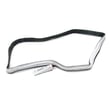
If the drum stops turning, the belt 341241 is a common replacement on this style of Amana dryer.
Why it matters
A dryer can “still run” while slowly losing airflow efficiency. That forces longer cycles, higher temperatures, and more strain on parts like the heating element, thermostats, and motor. Good venting and basic upkeep are the easiest ways to reach the full 10 to 15 year lifespan.
Last updated: February 2026
What are common dryer part failures?
On the Amana NED4705EW1 electric dryer, the most common part failures usually fall into four areas: heat production, drum tumbling, airflow, and starting. These issues typically show up as no heat, no tumble, long dry times, or the dryer shutting off from overheating; our NED4705EW1 installation guide also stresses proper venting and lint control to reduce fire risk.
Most common failures by symptom
- No heat or weak heat: failed dryer heating element 279838, open thermal cut-off, or a bad operating/high-limit thermostat
- Dryer won’t start: faulty dryer door switch WP3406107, timer issue, or motor problem
- Drum won’t turn (but motor runs or hums): broken belt 341241 or a seized idler/roller
- Squealing, thumping, or grinding: worn drum support parts (often addressed with a repair kit)
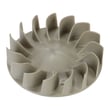
- Long dry times: restricted venting, clogged lint screen, or a damaged blower wheel
Quick checks we recommend first (before buying parts)
- Clean the lint screen before or after each load (a key safety and performance step).
- Inspect the vent path for crushing, kinks, or lint buildup; avoid flexible plastic or foil-type duct.
- Confirm the dryer has proper airflow at the outside vent hood.
- For electric dryers, verify the home supply is correct (a dedicated 30-amp circuit is typical).
- If the drum does not turn, stop using the dryer to prevent belt and motor damage.
Common parts and what they affect
| Symptom | Likely area | Example part on this model |
|---|---|---|
| No heat | Heating circuit | Dryer heating element, thermal cut-off, thermostats |
| Won’t start | Door/start circuit | Dryer door switch |
| No tumble | Drive system | Belt, idler pulley, motor |
| Long dry time | Airflow | Lint screen, blower wheel, venting |
Why it matters
Most “failed part” complaints are caused or made worse by restricted airflow. Poor venting raises temperatures, trips safety devices (like thermal cut-offs), increases dry time, and accelerates wear on heating and cycling components.
Last updated: February 2026
How do you know if a thermal fuse is blown on an Amana dryer?
On an Amana NED4705EW1 electric dryer, a blown thermal fuse typically shows up as a dryer that will not run at all, or runs but will not heat. The most reliable way to know is to unplug the dryer and test the fuse for continuity with a multimeter.
Common symptoms of a blown thermal fuse
- Dryer will not start even though the door is closed and Start is pressed
- Motor runs but there is no heat on heated cycles
- Dryer stops mid-cycle and will not restart until it cools (often tied to overheating issues)
- Replacing house fuses or resetting the breaker does not restore operation
Quick checks before you open the cabinet
The installation instructions for this dryer call out basic “no start” and “no heat” checks that can mimic a blown fuse.
- Confirm the controls are set to an “On” or running position
- Push the Start button firmly
- Make sure the door fully closes and latches
- Verify power is on and the dryer is plugged in
- Check both household fuses or both breakers (many electric dryers use two)
For the full startup and heat-check procedure, use the NED4705EW1 installation guide.
How to confirm with a multimeter (best test)
- Unplug the dryer (or switch off the breaker).
- Access the thermal fuse (commonly on the blower housing or exhaust duct inside the cabinet).
- Remove at least one wire from the fuse terminal.
- Test for continuity (ohms setting).
| Meter result | What it means | Next step |
|---|---|---|
| Near 0 ohms / continuity | Fuse is good | Keep troubleshooting heat or airflow |
| OL / no continuity | Fuse is blown | Replace the fuse and fix the overheating cause |
Why it matters (and what usually causes it)
A thermal fuse is a one-time safety device; it opens when the dryer overheats. If you replace the fuse without correcting airflow problems, it can blow again quickly. The most common root causes are a clogged lint screen, blocked vent duct, crushed flex vent, or a stuck blower wheel.
If you are also chasing a “no heat” complaint, our electric dryer wont heat troubleshooting video walks through the most common heating and airflow checks.
Last updated: February 2026
How do I tell if my dryer heating element is bad?
On the Amana NED4705EW1 electric dryer, a bad heating element usually shows up as the dryer running but producing little or no heat. A quick check is to run a full-heat cycle for about 5 minutes, then open the door and feel for heat (as outlined in the installation guide).
Quick symptoms checklist
- Dryer tumbles normally but clothes stay cold or damp
- Cycle seems to run “forever” with poor drying results
- No heat on any heated setting, but “air/fluff” works the same as heated cycles
- Burning smell or visible damage on the heater housing area (stop using the dryer if you notice this)
- Repeated loss of heat after a short warm-up (often airflow or safety thermostat related)
Safe at-home checks (no tools)
- Confirm power is correct: Electric dryers typically need full 240V; if one house fuse trips, the dryer can still run but not heat.
- Do the 5-minute heat check: Start a heated cycle, wait 5 minutes, open the door, and feel for heat.
- Check airflow: Clean the lint screen and make sure the vent is not crushed or kinked.
What to test with a meter (common service checks)
If you’re comfortable using a multimeter with the dryer unplugged, these checks help pinpoint the cause.
| What you test | Typical result if good | If failed, what it suggests |
|---|---|---|
| Heating element | Continuity present | Element is broken; replace the dryer heating element 279838 |
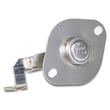
| Thermal cut-off / thermal fuse | Continuity present | Overheat event or restricted venting; replace the dryer thermal cut-off fuse kit 279816 and correct airflow |
| Operating/high-limit thermostat | Continuity present (at room temp) | Temperature control or safety limit issue |
Why it matters
A dryer that “runs but won’t heat” is often a power-supply or airflow problem, not just the heater. Fixing venting and confirming both breakers/fuses are good helps prevent repeat failures of the heating element and thermal safety parts.
Last updated: February 2026
How much does it cost to replace drum bearings on a dryer?
Replacing drum bearings on an Amana electric dryer like model NED4705EW1 typically costs $150 to $400 total for parts and labor, depending on whether you DIY or hire service. If the drum support parts are worn, many repairs also include the belt and idler to prevent repeat noise.
Typical cost breakdown
- DIY parts only: $30 to $120 (varies by which supports are worn)
- Service call and labor: $120 to $300 (common range)
- Total with professional repair: $150 to $400
- If multiple drum supports are worn: costs trend toward the high end
| Repair approach | What you pay for | Typical total |
|---|---|---|
| DIY | Parts only | $30 to $120 |
| Pro repair | Trip/service + labor + parts | $150 to $400 |
What “drum bearings” usually means on this dryer
Many dryers use a mix of drum support parts (not always a single ball bearing). On NED4705EW1, common wear items that can be involved in a “bearing” noise repair include:
- Drum front bearing or bearing ring (front support)
- Rear drum support or rear seal area
- Idler pulley and belt (often replaced together during a teardown)
For this model, we often see customers pair a support repair with a new belt 341241 because the drum has to come apart anyway.
Signs you likely need drum support work
- Squealing, scraping, or thumping that gets louder as the drum turns
- Drum feels rough or has extra play when you spin it by hand (power off)
- Burning smell or slow drum start (can happen if friction is high)
- Lint buildup around the front or rear drum area
Why it matters
Worn drum supports increase friction; that can shorten the life of the belt, strain the drive motor, and make drying less efficient. Fixing the supports early usually keeps the repair smaller and cheaper.
Before you price parts, confirm the repair path
Use the NED4705EW1 installation guide safety guidance as a baseline: disconnect power before opening panels, and do not reach into the dryer if the drum is moving. Then identify the noise source so you replace only what’s needed.
Last updated: February 2026
Is it worth replacing the heating element in a dryer?
Yes, it’s usually worth replacing the heating element in an Amana electric dryer like model NED4705EW1 when the dryer runs but produces no heat; the part cost is typically far less than replacing the whole dryer, and the repair often restores normal drying performance.
When replacement makes sense
Replacing the heating element is a strong choice when the dryer tumbles normally but clothes stay cold or damp.
- The drum turns and airflow feels normal, but there’s no heat
- You have proper power to the dryer (electric dryers need full 240V supply)
- The venting is clear and the lint screen is clean (restricted airflow can overheat and damage heating circuits)
- The dryer is otherwise in good condition (no loud bearing squeal, severe rust, or repeated shutdowns)
A common replacement for this model’s heating issue is the dryer heating element 279838.
Quick checks before you buy a part
Use the same basic heat check described in the NED4705EW1 installation guide. After the dryer runs about 5 minutes, carefully open the door and feel for heat.
- If there’s no heat, confirm both household fuses are good or both breakers are on (many electric dryers use a 2-pole circuit)
- Make sure the door fully closes and the cycle is actually set to a heated setting
- Clean the lint screen and inspect the exhaust duct for clogs or crushed sections
What “no heat” can mean (common causes)
| Symptom | Likely cause | Typical fix |
|---|---|---|
| Runs, no heat | Heating element open | Replace heating element |
| Runs, no heat | Thermal cut-off blown | Replace thermal cut-off kit and fix airflow |
| Runs, weak heat | Restricted venting | Clean/repair venting |
| Stops heating mid-cycle | High-limit thermostat cycling | Check airflow; test thermostat |
Why it matters
A failed heating element (or a blown thermal cut-off) prevents proper drying and can lead to longer run times. Keeping lint and venting clear helps protect the heater circuit and improves efficiency; see dryer takes a long time to dry for airflow-focused tips.
Last updated: February 2026
What is the most expensive part to replace on a dryer?
On an Amana NED4705EW1 electric dryer, the drive motor and the control panel are typically the most expensive repairs because the parts cost more and the job often requires significant disassembly and diagnostic time.
Most expensive dryer parts (typical)
These are the parts that most often drive the highest total repair cost (part plus labor):
- Drive motor (drum turns)
- Control panel or timer (cycle control)
- Drum assembly (if damaged)
- Heater housing or heater components (electric models)
- Major cabinet or bulkhead pieces (if bent or rusted)
How this applies to model NED4705EW1
For this model, we commonly see higher-priced components in these categories:
- Motor category: Drive motor 279827
- Controls category: Dryer control panel WPW10429629 or a timer (depending on the symptom)
- Heat category (electric): Dryer heating element 279838 (often less than a motor/control, but still a bigger-ticket part)
Quick cost comparison (parts only)
Prices vary by time and availability, but the relative ranking is usually consistent.
| Part type | What it does | Typical cost rank |
|---|---|---|
| Drive motor | Spins the drum and blower | Highest |
| Control panel or timer | Runs cycles and heat timing | High |
| Drum assembly | Holds clothes, rides on rollers/bearings | High |
| Heating element | Produces heat (electric dryer) | Medium to high |
| Thermostats, fuses, switches | Safety and temperature control | Low to medium |
Why it matters
If your dryer will not start, will not tumble, or stops mid-cycle, the most expensive fixes (motor or controls) are also the most likely suspects. Before replacing any part, we follow the safety guidance and service steps in the NED4705EW1 installation guide so the diagnosis is accurate and the repair is safe.
Last updated: February 2026
What is the belt part number for the Amana dryer model NED4705EW1?
For the Amana electric dryer model NED4705EW1, the dryer drum belt is part ID 341241 and the manufacturer part number is W10131364. Use this belt when the drum will not turn, the dryer squeals, or the belt is visibly cracked or stretched.
The exact belt to order
- Model: Amana NED4705EW1
- Part name: Belt
- Part ID: 341241
- Manufacturer part number: W10131364
Use this part listing: belt 341241.
Quick checks before you replace the belt
- Unplug the dryer (electric shock hazard).
- Try turning the drum by hand; heavy resistance can point to a seized roller or idler.
- Listen for squealing or thumping; worn support parts often fail with the belt.
- Check for a burning rubber smell; a slipping belt can overheat.
- Inspect the belt path for lint buildup around the motor pulley and idler.
Common “belt problem” symptoms and what they usually mean
| Symptom | Most common cause | What to check next |
|---|---|---|
| Motor runs but drum does not turn | Broken belt | Belt condition and routing |
| Loud squeal during tumbling | Worn idler or rollers | Consider a maintenance kit |
| Thumping or rumble | Worn drum support parts | Rollers, bearing surfaces |
| Belt keeps breaking | Drum drag or misrouted belt | Idler pulley, drum alignment |
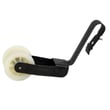
If you are already opening the cabinet, many customers replace wear items together using dryer repair kit 4392065.
Why it matters
A worn belt can stop tumbling, which leads to long dry times and overheating. Replacing the correct belt for NED4705EW1 helps restore proper drum speed and airflow so the heating system and thermostats can regulate temperature normally.
For safe disassembly and reassembly steps, follow the NED4705EW1 installation guide.
Last updated: February 2026