Owner’s manual


How do I tell what model my Kenmore dryer is?
Your Kenmore dryer’s model number is printed on the model and serial number plate; on Kenmore gas dryer model 11079812990, it’s typically found in the door opening area. Use the full model number (and serial number) anytime you look up parts, specs, or service info in the 11079812990 owner's manual.
Where to look for the model number plate
Check these common locations on Kenmore dryers:
- Inside the dryer door opening on the cabinet frame
- On the back panel of the dryer cabinet
- Near the lint screen housing area (depending on design)
- On a metal plate or durable label labeled “Model” and “Serial”
How to record it correctly (so parts match)
We recommend writing the numbers down exactly as shown on the plate.
- Copy the full model number (example: 11079812990) character-for-character
- Record the serial number too; it helps identify production details
- Take a clear photo of the plate for future reference
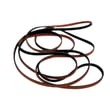
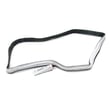
- Use the model number when ordering common wear items like the drum belt 341241 or troubleshooting a no-start issue
Quick guide: model number vs. serial number
| What it is | What it’s used for | Example format |
|---|---|---|
| Model number | Identifies the exact dryer design so parts fit | 11079812990 |
| Serial number | Identifies the individual unit and production run | Letters and numbers |
Why it matters
Kenmore dryers can look similar across different series, but internal parts (like the drive belt, door switch, timer, or gas ignition components) can vary by model. Using the exact model number helps us match the correct Kenmore dryer parts the first time.
Last updated: February 2026
How much does it cost to replace a heating element in a Kenmore dryer?
For a Kenmore gas dryer like model 11079812990, you typically do not replace an electric “heating element”; heat is produced by a gas burner assembly. Most “no heat” repairs on this model price out as a small ignition or safety part plus labor, commonly landing around $150 to $400 total depending on what failed.
What you usually replace on this Kenmore gas dryer (instead of a heating element)
On gas dryers, the most common heat-related replacements are:
- Igniter (glows to light the burner): often a mid-priced part
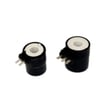
- Gas valve coils (open the gas valve when energized)
- Radiant sensor (confirms flame/heat at the burner)
- High-limit thermostat / thermal cut-off (opens if overheating occurs)
- Operating thermostat (regulates drum temperature)
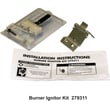
For this model, examples of commonly replaced parts include the igniter 279311, dryer valve coil kit 279834, and dryer radiant sensor WP338906.
Typical cost ranges (parts vs. service)
Actual totals depend on diagnosis and whether you DIY or hire service.
| Repair scenario (gas dryer “no heat”) | Typical parts cost | Typical total with labor |
|---|---|---|
| Ignition parts (igniter, coils, sensor) | $25 to $60 | $150 to $350 |
| Overheat protection parts (thermostat/cut-off) | $15 to $40 | $150 to $300 |
| Larger burner or gas valve issue | $100+ | $250 to $500+ |
How we recommend you confirm the right repair before buying parts
Use these quick checks to narrow the failure:
- Dryer runs but never heats: suspect igniter, coils, radiant sensor, thermostats
- Heats once, then stops heating mid-cycle: coils are a common cause
- Long dry times and weak airflow: check venting and lint buildup first
- Burner area clicks but no flame: suspect ignition components
- Overheating or burning smell: stop using and check airflow and safety thermostats
For model-specific operating and safety guidance, use the 11079812990 owner’s manual.
Why it matters
Pricing swings widely because “replace the heating element” is an electric-dryer repair, but gas dryers fail differently. Correct diagnosis prevents buying the wrong part and helps restore safe, efficient drying.
Last updated: February 2026
What is the average lifespan of 11079812990?
A Kenmore gas dryer like model 11079812990 typically lasts 13 years with normal household use and basic maintenance. Keeping airflow strong (lint screen and venting) and replacing wear items like belts and rollers on time helps you reach that lifespan.
What affects lifespan the most
These are the biggest factors that determine whether your dryer reaches (or exceeds) the 13-year average:
- Venting restrictions or long vent runs that trap heat and moisture
- Lint buildup inside the cabinet and in the exhaust duct
- Overloading the drum, which strains the motor, belt, and drum support
- Heat system wear (igniter, gas valve coils, thermostats)
- Delayed replacement of common wear parts
Maintenance schedule we recommend
Your owner's manual includes safety and care guidance; the most important longevity steps are airflow and lint control.
| Task | How often | Why it matters |
|---|---|---|
| Clean lint screen | Every load | Prevents overheating and long dry times |
| Check outside vent hood flap | Monthly | Confirms strong exhaust airflow |
| Clean the full exhaust vent run | At least yearly | Reduces heat stress and fire risk |
| Have lint removed inside the dryer cabinet | Every 2 to 3 years | Manual notes lint can collect inside and should be removed periodically |
Parts that commonly wear before the dryer is “worn out”
Replacing these parts when symptoms show up is often the difference between a quick fix and a major breakdown:
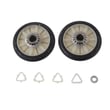
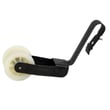
- Squealing or thumping: drum support parts, idler pulley, or belt (example: drum belt 341241)
- No heat or intermittent heat: igniter, gas valve coils, radiant sensor, or thermostats
- Won’t start: door switch, push-to-start switch, or timer
Why it matters
A dryer usually fails early from heat and airflow problems, not from age alone. Good venting keeps temperatures stable, protects the motor and thermostats, and shortens run time, which reduces overall wear.
Last updated: March 2026