Installation guide
 Owner’s manual


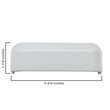


How much does it cost to replace a dryer start switch?
For a Kenmore 110C60122511 electric dryer, the start switch part itself typically costs about $10 to $30. Total replacement cost is higher if you pay for service, because labor and a diagnostic fee are usually the biggest portion of the bill.
What changes the total cost
- DIY vs. service call: DIY is usually just the part; service adds labor.
- Control style: Some models use a separate start switch; others combine it with a Cycle signal/Push to Start control.
- Access time: A switch behind the console is faster to reach than one buried behind additional panels.
- Extra parts found during diagnosis: A “won’t start” symptom can also be caused by a door switch, thermal fuse, or wiring.
Quick checks before you buy a start switch
The manual for this dryer notes that a no-start complaint is often something simple:
- Confirm the door is fully closed.
- Press and hold the PUSH TO START until you hear the drum begin moving.
- Check power: electric dryers commonly use two fuses or two breakers; the drum can sometimes turn with no heat if one side is out.
- If the dryer is in a cold space, make sure the room is above 45°F (7°C) for proper operation.
Common “won’t start” causes vs. what you’ll notice
| What you notice | Likely area to check | Typical fix type |
|---|---|---|
| Nothing happens when you press Start | Start switch or door switch | Part replacement |
| Clicks/hums but won’t run | Motor, belt, or blower obstruction | Inspection, possible parts |
| Runs but no heat | Power supply, heater circuit, thermal cut-off | Electrical checks, parts |
Why it matters
Replacing the correct part the first time saves money and downtime. A start switch is inexpensive, but misdiagnosing a power or safety-interlock issue can lead to repeat failures.
For model-specific control and start instructions, use the 110C60122511 owner's manual.
Last updated: February 2026
How do I tell if my dryer heating element is bad?
If your Kenmore electric dryer model 110C60122511 runs but produces no heat, the heating element is a top suspect, but power supply issues are just as common. We recommend doing a quick “heat check” and confirming you have full 240V power before replacing the element. See the owner's manual for model-specific troubleshooting.
Quick signs the heating element is failing
- Dryer tumbles normally but clothes stay cold and damp
- No heat on any heated cycle (not “Air” or “Fluff”)
- Dry times suddenly get much longer
- A burning smell or visible scorching near the heater housing (unplug first)
- Breaker trips when heat should turn on (can also be wiring or heater short)
5-minute heat test (simple check)
- Set a full heat cycle (not an air cycle) and start the dryer.
- Let it run about 5 minutes.
- Open the door and feel for heat inside the drum.
If there’s no heat, move to the power and airflow checks below before ordering parts.
Rule out the most common “no heat” causes first
Electric dryers can run on 120V but need 240V to heat. The manual also notes many electric dryers use two fuses or two breakers; if one trips, the drum may still turn with no heat.
- Reset both dryer breakers (or replace both fuses if applicable)
- Confirm the outlet and cord are supplying 240V (a meter test is best)
- Check for a crushed or clogged vent that can overheat the heater and blow safety fuses
- Clean the lint screen and inspect the lint chute area
What to replace if the element tests bad
If power is correct and airflow is good, test the heater circuit for continuity (unplug dryer first). A failed element often gets replaced along with common heat-safety parts.
| Symptom | Common part to check | Example part for this model |
|---|---|---|
| Tumbles, no heat | Heating element | Dryer heating element 279838 |
| No heat after overheating event | Thermal cut-off kit | Dryer thermal cut-off fuse kit 279816 |
| Overheats then shuts heat off | High-limit thermostat | Dryer high-limit thermostat WP3977767 |
Why it matters
Replacing the heating element without fixing a vent restriction or power issue can lead to repeat failures (blown thermal cut-off, overheating, or poor drying). A fast heat test plus a 240V check prevents unnecessary parts replacement.
Last updated: February 2026
Is it worth replacing the heating element in a dryer?
Yes, it’s usually worth replacing the heating element in a Kenmore electric dryer like model 110C60122511 when the dryer runs but has no heat, because the part cost is typically far less than replacing the entire dryer and the repair restores normal drying performance.
When replacing the heating element makes sense
Replace the heating element when the dryer tumbles normally but clothes stay cold or take far too long to dry.
Common signs point to a heat circuit problem:
- Drum turns, but there’s no heat on heated cycles
- Dry times suddenly get much longer
- You have proper 240-volt power, but heat never comes on
- You smell a brief “new heater” odor after replacement (normal for the first cycle)
For this model, the correct replacement heater is the dryer heating element 279838.
Check these first (often not the heater)
Our manual troubleshooting for “No heat” highlights power and supply issues that can mimic a bad element. Use these quick checks before buying parts:
- Confirm the dryer is getting full 240-volt power (electric dryers can run on 120 volts but not heat)
- Check both household fuses or both breaker poles; one tripped fuse can leave the drum turning with no heat
- Make sure the cycle is a heated cycle (not Air/Fluff)
- Clean the lint screen and verify the vent is not crushed or kinked
Reference steps and operating checks in the owner's manual.
What parts are commonly replaced together
If the element failed due to overheating or restricted airflow, replacing related safety parts at the same time helps prevent repeat failures.
| Symptom | Common related part to check/replace | Why it matters |
|---|---|---|
| No heat, element tests open | Dryer heating element 279838 | Restores heat output |
| No heat after overheating event | Dryer thermal cut-off fuse kit 279816 | Opens the heat circuit for safety |
| Dryer overheats or cycles off early | Dryer high-limit thermostat WP3977767 | Limits heater temperature |
Why it matters
A weak or failed heat circuit wastes energy and can increase wear on the drive motor and belt because the dryer runs longer to do the same job. Restoring proper heat and airflow brings cycle times back to normal and helps protect internal components.
Last updated: February 2026
How do I know if my dryer thermostat is bad?
A bad thermostat in your Kenmore 110C60122511 electric dryer usually shows up as no heat, overheating, or heat that cycles on and off at the wrong times. Before replacing parts, we confirm proper power (240 volts) and airflow because those issues can mimic thermostat failure.
Quick symptoms that point to a thermostat problem
- Dryer runs but clothes stay cold or take much longer to dry
- Dryer overheats, shuts down, or trips a thermal device
- Heat seems to cut in and out rapidly during a heated cycle
- Burning smell or very hot cabinet (often tied to restricted venting)
- Repeated “no heat” after you have already corrected power and venting
Checks to do first (these rule out the most common look-alikes)
- Verify power supply: Electric dryers can tumble with only one leg of power, but they will not heat. The manual notes electric dryers require a 240-volt supply and often use 2 fuses or breakers.
- Run a simple heat test: Use a full heat cycle and check for heat after about 5 minutes (the installation guide describes this type of check).
- Confirm airflow: A crushed vent, clogged lint path, or blocked exterior hood can cause overheating and can blow thermal cut-offs.
What to test if you suspect the thermostat
Unplug the dryer and access the heater housing area; then use a multimeter.
- High-limit thermostat: Should show continuity at room temperature; if it is open, it is failed.
- Thermal cut-off: If open, it indicates an overheat event; fix venting before restarting.
| What you observe | Most likely cause | What we do next |
|---|---|---|
| Drum turns, no heat | Power issue or open safety device | Check 240 V, then test thermal cut-off and thermostat |
| Dryer overheats | Restricted airflow or thermostat stuck closed | Clear venting, then test thermostat |
| Heat cuts out early | Airflow issue or cycling control issue | Clean lint path, verify vent run, then test controls |
Parts that commonly fix thermostat-related heat problems
If testing confirms a failure, these model-matched parts are commonly used:
Why it matters
A thermostat and thermal cut-off are safety controls. Replacing them without correcting airflow can cause repeat failures, longer dry times, and overheating.
For control locations, access steps, and troubleshooting notes specific to your dryer, use the owner's manual.
Last updated: February 2026