



Where is the model number on a tiller?
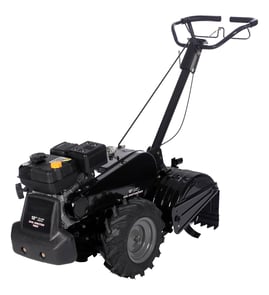
On the Craftsman rear-tine tiller model 917299643, the model number is printed on a product ID label (a sticker or metal tag) attached to the tiller frame. It’s most often found near the tine shield/guard area or on/near the engine and fuel tank area.
Common places to check first
Look for a label that includes the model number and sometimes a serial number.
- On the tine shield or tine guard (rear of the machine near the tines)
- On the main frame rail near the transmission/gearcase
- Near the engine mounting area
- On or near the fuel tank (especially on older units)
- Near the handle support brackets
What the label looks like
Most tiller ID labels are designed to survive dirt and vibration, so they are usually:
- A silver or white sticker with black text, or a small metal tag
- Riveted or firmly adhered to the frame
- Printed with “MODEL” and a number (for this unit: 917299643)
Quick cleaning tip (so you can read it)
If the label is dirty or faded, we recommend:
- Brush off loose soil with a dry nylon brush
- Wipe with a rag dampened with mild soap and water
- Avoid harsh solvents that can remove the printing
- Use a flashlight at an angle to make faint text easier to see
Why it matters
The model number is what we use to match the correct Craftsman tiller parts (like a clutch cable, V-belt, or chain) to your exact build. Even small model differences can change the correct part fit.
Model number vs. part number (quick guide)
| Item | What it identifies | Example |
|---|---|---|
| Model number | The whole tiller | 917299643 |
| Part number | A specific replacement part | 110675X |
| Part ID | Sears PartsDirect identifier for the part page | 532110675 |
If you’re already working on drive or tine engagement issues, the tiller clutch cable 532110675 is one of the model-matched parts we list for 917299643.
Last updated: January 2026
How often should I change the oil in my tiller?
For the Craftsman 917299643 4-hp tiller, we recommend changing engine oil after the first few hours on a new or newly serviced engine, then about every 25 to 50 hours of use or at least once per season (once per year). Change it sooner if the oil looks dark or smells burnt.
A simple oil-change schedule
- New engine or fresh rebuild: change after 5 hours (break-in)
- Normal homeowner use: every 50 hours or once per season
- Dusty, hot, or heavy tilling: every 25 hours
- Infrequent use: change annually even if hours are low
Quick checks before you decide
- Check oil level with the tiller on level ground.
- If oil is black, gritty, or thin, change it.
- If the engine runs hotter than normal or you smell fuel in the oil, change it and investigate the cause.
- Keep the oil at the full mark; low oil can damage the engine quickly.
What you typically need
| Item | Typical spec for small 4-hp tillers | Notes |
|---|---|---|
| Engine oil type | SAE 30 (warm weather) or 10W-30 (variable temps) | Match to your climate and engine label |
| Drain interval | 25 to 50 hours | Shorter in dusty conditions |
| Tools | Drain pan, funnel, rags | Add a socket/wrench if there is a drain plug |
Why it matters
Fresh oil protects the crankshaft and bearings, reduces overheating, and helps the tiller maintain power under load. Skipping oil changes is one of the fastest ways to shorten engine life.
Related parts that may come up during service
If you notice poor engagement or control issues while maintaining the tiller, common wear items include the tiller clutch cable 532110675.
Last updated: January 2026
What are common tiller problems?
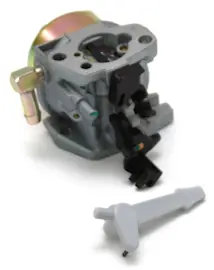
Common problems on the Craftsman 917299643 rear-tine tiller include hard starting, surging or hunting at idle, stalling when you engage the tines, weak tine drive, and excessive vibration. Most issues trace back to fuel quality, carburetor restriction, ignition wear, or a slipping/binding drive system.
Quick symptom-to-cause checklist
- Engine surges at idle: stale fuel, partially clogged carburetor jets, air leak at intake, dirty air filter
- Starts then dies: restricted fuel cap vent, dirty carburetor bowl, water in fuel
- Stalls when engaging tines: tine drive belt slipping, clutch cable out of adjustment, tines binding in soil
- Tines do not turn or are weak: worn belt, stretched cable, damaged chain or gearcase components
- Grinding noises from drive: worn chain, bearing wear, damaged gears
What to check first (fast, no parts)
- Drain old fuel and refill with fresh gasoline (use the correct oil level for the 4-hp engine).
- Inspect and clean the air filter; replace if oil-soaked or crumbling.
- Check throttle and choke movement for full travel.
- Verify tine engagement lever operation and cable free play.
- Look for debris wrapped around tines and tine shaft.
Parts that commonly affect tine engagement
If the engine runs but the tines stall or slip, these model-related parts are frequent suspects:
- Tiller clutch cable 532110675 (stretched, kinked, or out of adjustment)
- V-belt 532132672 (glazed, cracked, or loose)
- Tiller chain, #25-50 532102134 (stretched or damaged)
| Symptom | Most likely area | Typical fix |
|---|---|---|
| Surging idle | Fuel/air | Fresh fuel, clean carburetor, clean/replace air filter |
| Stalls when tines engage | Belt/cable/load | Adjust cable, replace belt, reduce depth/load |
| Grinding/rumble | Chain/bearings/gears | Inspect chain, bearings, gearcase components |
Why it matters
A tiller that surges or stalls is usually running lean or fighting extra load. Fixing fuel delivery and ensuring the clutch cable and belt drive are set up correctly helps prevent premature wear on the belt, chain, and gearcase.
Last updated: January 2026
Are rear tine tillers better?
Rear-tine tillers are typically the better choice when we need to break new ground, work rocky or root-filled soil, or till larger garden plots because the tines drive from the rear and the machine’s weight helps it track straighter with less bouncing. For a Craftsman 917299643 4-hp tiller, “better” usually means more stability and easier soil penetration than a front-tine unit.
When a rear-tine tiller is the better pick
- Breaking sod or compacted soil for a new garden bed
- Tilling larger areas where straight tracking matters
- Working soil with rocks, roots, or heavy clay
- Mixing in compost or amendments more deeply and evenly
- Needing more traction and control than a lighter tiller provides
When a rear-tine tiller is not the best fit
Rear-tine models can be heavier and less nimble in tight spaces. If we only need light cultivation in an established bed, a smaller front-tine or cultivator can be easier to maneuver and store.
Quick comparison
| Feature | Rear-tine tiller | Front-tine tiller |
|---|---|---|
| Best use | New ground, tough soil, larger plots | Light tilling, smaller plots |
| Handling | More stable, tracks straighter | More “pulling,” can bounce |
| Effort | Less fighting the machine | More operator effort in hard soil |
What to check on your Craftsman 917299643 for best performance
Even the best tiller struggles if the drive and controls are worn or out of adjustment.
- Inspect the drive belt for glazing, cracking, or slipping: v-belt 532132672
- Make sure the clutch cable moves smoothly and fully engages: tiller clutch cable 532110675
- Check tine drive components for noise or binding (chain and bearings)
- Confirm the depth stake is set for the job (shallow passes first, then deeper)
Why it matters
Choosing the right tine layout saves time and reduces operator fatigue. A rear-tine tiller’s traction and stability help us get consistent depth and better soil breakup, especially when conditions are rough.
Last updated: January 2026