Owner’s manual
 Error Codes



How to check dryer filter on LG dryer?
On the LG DLE2516W dryer, we check the lint filter by opening the door and pulling the lint screen straight up; remove lint with your fingers and reinstall it firmly before starting a load. The control panel may also show a CHECK FILTER reminder when the dryer is turned on.
How to check and clean the lint filter (quick steps)
- Turn the dryer off and open the door.
- Pull the lint screen straight up and out.
- Roll or wipe lint off the screen with your fingers.
- Reinstall the lint screen firmly so it seats fully.
- Start the cycle; the CHECK FILTER reminder turns off after you press Start/Pause.
For the exact filter location and cleaning notes for this model, follow the DLE2516W owner's manual.
Cleaning methods: what to do and what to avoid
The manual supports a few cleaning approaches depending on buildup.
| Method | Best for | Notes |
|---|---|---|
| Fingers (dry) | Normal lint after each load | Fastest daily method |
| Vacuum | Lint packed into the mesh | Helps restore airflow |
| Warm, soapy water; dry thoroughly | Film from dryer sheets or residue | Only reinstall when fully dry |
Avoid: running the dryer with the lint screen missing or loosely installed; it reduces airflow and can increase drying time.
Why it matters
A clean lint filter improves airflow through the blower wheel and heat duct, which helps the heating system work efficiently and reduces long dry times. It also helps protect components like the high-limit thermostat from overheating conditions.
When to replace the lint screen
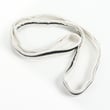
Replace the lint screen if it is torn, warped, or the mesh is separating. For this model, the correct replacement is the LG dryer lint screen 5231EL1003B.
Last updated: February 2026
How to reset LG dryer error code?
Most LG DLE2516W dryer error codes clear with a simple power reset: turn the dryer off, unplug it (or switch the breaker off) for about 1 to 3 minutes, then restore power and try a cycle again. If the code returns, use the code meaning to fix the underlying issue.
Quick reset steps (works for most codes)
- Press POWER to turn the dryer off.
- Unplug the dryer for 1 to 3 minutes (or turn the circuit breaker off).
- Restore power.
- Select a cycle and press START/PAUSE.
- If the display shows CHECK FILTER, clean the lint filter before starting (the reminder turns off after you press START/PAUSE).
For control-panel and display behavior specific to this model, follow the steps in the DLE2516W owner’s manual.
If the code is related to a specific condition
Some “errors” are really status or protection messages. Use this quick guide:
| What you see | What it usually means | What to do next |
|---|---|---|
| CHECK FILTER | Reminder at power-on | Clean lint filter; press START/PAUSE to begin. |
| CL (Child Lock) | Controls locked | Turn Child Lock off using the Child Lock button/option per the manual. |
| Temperature sensor (thermistor) error | Sensor open or shorted | Replace the thermistor and restore proper heating control. |
Parts that commonly relate to recurring error messages
If the dryer repeatedly shows a temperature-sensing error, the most common fix is replacing the thermistor: dryer thermistor AGM30045804.
Why it matters
Resetting clears a temporary control glitch, but a repeating error code is the dryer protecting itself. Addressing airflow, sensor, or heating issues helps prevent long dry times, overheating, and repeat shutdowns.
Helpful tip for fewer error codes
- Clean the lint screen every load.
- Keep the exhaust vent clear and not crushed.
- Avoid overloading; heavy loads can trigger heat and airflow problems.
For code definitions and what each one means on LG dryers, use LG dryer error codes.
Last updated: February 2026
What is the average lifespan of an LG dryer?
Most LG dryers, including the LG DLE2516W, typically last 10 to 15 years with normal household use. Lifespan depends most on airflow (lint and venting), load size, and how quickly you address wear items such as the drum belt, rollers, and thermostats; see the DLE2516W owner's manual for care and safety guidance.
What affects dryer lifespan the most
- Vent restriction and lint buildup: overheating and longer dry times accelerate wear.
- Overloading: strains the motor, drum support rollers, and idler pulley.
- Heat stress: repeated overheating can shorten the life of thermostats and the heating circuit.
- Moisture sensor performance: dirty sensor bars can cause over-drying and extra run time.
- Maintenance habits: cleaning the lint screen every load and periodic vent cleaning matter.
Common wear parts that can shorten life if ignored
If the dryer runs but gets noisy, stops tumbling, or takes longer to dry, these model-compatible parts are frequent culprits:
| Symptom | Common cause | Example model-compatible part |
|---|---|---|
| Drum not turning | Worn or broken belt | Dryer drum belt 4400EL2001F |
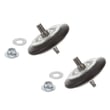
| Thumping/squealing | Worn drum support rollers or idler pulley | Dryer Drum Support Roller, Dryer Idler Pulley |
| Overheating or shuts off | Failing thermostat or restricted airflow | Dryer High-limit Thermostat |
| Long dry times | Poor airflow, lint screen restriction, blower issues | Dryer Blower Wheel |
Why it matters
A dryer that is forced to run hot or run long to finish a load wears out faster and can damage key components like the heating element, thermostats, and motor. Keeping airflow strong is the simplest way to protect performance and extend service life.
Quick maintenance checklist (high impact)
- Clean the lint screen every load and confirm it seats correctly.
- Inspect and clean the exhaust duct periodically; keep runs short with minimal elbows.
- Avoid overloading; dry similar fabrics together for shorter cycles.
- If cycles run long, address airflow first before replacing electrical parts.
Last updated: February 2026
What is the capacity of the LG dryer DLE2516W?
The LG DLE2516W dryer is a full-size unit with an IEC capacity of 7.3 cu. ft. (22.5 lb). That IEC figure is the capacity specification listed for this model; confirm the rating details in the DLE2516W owner's manual.
What that capacity means for real laundry loads
A 7.3 cu. ft. LG dryer handles large, everyday family loads; drying performance depends heavily on airflow and how loosely you load the drum.
- Load items loosely so air can circulate through the drum
- Dry bulky items (comforters, jackets) one at a time when possible
- Clean the lint screen before every load to keep airflow strong
- Keep the exhaust vent short and clear to prevent long dry times
- Use the correct temperature for the fabric to reduce shrinkage and overdrying
Capacity and key specs (quick reference)
| Spec | LG DLE2516W |
|---|---|
| Dryer type | Electric |
| Capacity | IEC 7.3 cu. ft. (22.5 lb) |
| Approx. size (W x D x H) | 27 x 29.9 x 38.7 in. |
Why it matters
Capacity affects dry time, energy use, and fabric care. Overloading reduces airflow so the moisture sensor and heater cannot dry evenly, which often leads to damp spots, wrinkles, or extended cycle times.
For long dry times, follow the airflow checks in our dryer takes a long time to dry guide.
Last updated: February 2026
What is the most common problem with LG dryers?
The most common LG dryer problem is poor drying performance: the dryer runs but doesn’t heat well or takes too long to dry. On the LG DLE2516W, this is most often tied to restricted airflow (lint buildup or a clogged vent) or a heat-control part issue; tumbling problems from a worn belt or pulley are also common.
Quick checks we recommend first (fast, no parts)
- Clean the lint screen before every load and confirm it seats fully.
- Check airflow at the outside vent hood; weak airflow points to a vent restriction.
- Avoid overloading; heavy loads dry slowly even with good heat.
- If the drum tumbles but there’s no heat, check your home’s breakers or fuses (electric dryers commonly use two).
- If the dryer won’t start, confirm the plug is fully seated and the door closes firmly.
Common symptoms and the most likely causes
| Symptom | Most likely cause | What to do next |
|---|---|---|
| Tumbles but no heat | Tripped breaker or failed heating circuit component | Reset both breakers; then test heat components |
| Takes too long to dry | Vent restriction, lint buildup, weak blower airflow | Clean venting and internal lint paths |
| Squealing, thumping, or drum not turning | Belt or idler issue | Inspect belt routing and pulley condition |
| Stops early or clothes still damp on sensor cycles | Dirty moisture sensor bars | Clean sensor bars; check sensor wiring |
Parts that commonly fix these issues on DLE2516W
If troubleshooting points to a failed component, these are frequent replacements for this model:
- Dryer heating element 5301EL1001J (no heat)
- Dryer high-limit thermostat 6931EL3003D (overheating or heat cutout)
- Dryer thermistor AGM30045804 (temperature sensing problems)
- Dryer drum belt 4400EL2001F and dryer idler pulley 4560EL3001A (no tumble, squeal)
- Dryer moisture sensor 6500EL3001A (sensor-dry issues)
Why it matters
Airflow and heat problems waste energy, increase dry times, and can overheat internal components. Catching a vent restriction early often prevents repeat failures of thermostats and heating parts.
Helpful references
Use the troubleshooting charts in the DLE2516W owner’s manual for model-specific checks (won’t start, doesn’t heat, and drying performance).
Last updated: February 2026
Why does an LG sensor dry dryer take so long to dry?
On the LG DLE2516W, Sensor Dry can run longer when airflow is restricted, the load is too large or mixed (heavy and light items together), or the moisture-sensing system is dirty or misreading. The dryer automatically adjusts time based on detected dampness, so longer cycles are normal when it senses more moisture.
Quick checks that fix most “takes too long” complaints
- Clean the lint screen before every load and make sure it seats fully.
- Check the exhaust duct for lint buildup, kinks, crushed sections, or a stuck vent flap.
- Dry similar fabrics together; separate heavy items (towels, denim) from lightweight items.
- Avoid overloading; size the load by drum space, not weight.
- If clothes feel slightly damp at the end, use Time Dry to finish bulky items.
Sensor Dry behavior that looks like a problem (but is normal)
Sensor Dry cycles change heat level and time as the dryer senses moisture. You may see the time jump up or down during the cycle; that is the control reacting to the load, not a malfunction. For cycle and Dry Level details, follow the guidance in the DLE2516W owner’s manual.
When it points to a part or maintenance issue
If airflow is good and loads are sized correctly, long dry times usually come from heat not staying consistent or moisture sensing not reading correctly.
Common suspects on DLE2516W include:
- A weak heater circuit: dryer heating element 5301EL1001J
- Overheating and cycling off early: dryer high-limit thermostat 6931EL3003D
- Incorrect temperature feedback: dryer thermistor AGM30045804
- Sensor bars not detecting moisture well: dryer moisture sensor 6500EL3001A
Symptom-to-cause guide
| What you notice | Most likely cause | What to do first |
|---|---|---|
| Clothes hot but still damp | Restricted venting | Inspect and clear ducting |
| Dryer runs, heat seems weak | Heating circuit issue | Check element and thermostats |
| Time keeps extending on Sensor Dry | Dirty sensor bars or mixed load | Clean sensor area; sort loads |
| Towels take forever | Load too large or too heavy | Split into smaller, similar loads |
Why it matters
Long dry times waste energy and can overwork components like the heating element, thermostats, and blower system. Keeping venting clear and loads consistent improves drying performance and helps protect the dryer.
For code-related issues that affect drying, use our LG dryer error codes reference.
Last updated: February 2026