


What is the average lifespan of a Goodman AC unit?
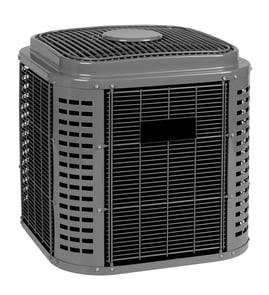
A Goodman central air conditioner like model CKJ30-1A typically lasts 12 to 15 years. With consistent maintenance (clean airflow, correct refrigerant charge, and healthy electrical components), it commonly reaches the upper end of that range and can run longer in mild climates.
Typical lifespan ranges (what to expect)
Most central AC condensing units fall into these real-world ranges:
- 10 to 12 years: heavy use, coastal corrosion, poor airflow, or neglected maintenance
- 12 to 15 years: typical average for a well-installed, maintained system
- 15 to 20 years: lighter runtime, good installation, and proactive repairs
- 20+ years: possible, but efficiency and repair frequency usually become the deciding factors
What shortens or extends lifespan
Key factors that matter most for a Goodman condensing unit:
- Airflow problems (dirty indoor filter, blocked coil, duct restrictions) that raise operating pressure
- Electrical wear (pitted contacts, weak capacitors, overheated wiring)
- Refrigerant issues (slow leaks, incorrect charge, moisture contamination)
- Outdoor conditions (salt air, lawn chemicals, debris around the cabinet)
- Maintenance consistency (annual inspection and coil cleaning)
Quick “repair vs replace” guide
Use this as a practical decision check when your CKJ30-1A starts acting up:
| Situation | Usually makes sense to do | Why |
|---|---|---|
| Unit is under ~12 years and repair is minor | Repair | You still have useful service life left |
| Repeated no-cool events in one season | Diagnose root cause | Recurring failures often point to airflow, electrical, or refrigerant problems |
| Major sealed-system or compressor issue | Compare costs carefully | Big repairs can exceed the value of an older unit |
Why it matters
Once a condensing unit gets past its typical lifespan, efficiency drops and electrical parts fail more often. Replacing common wear items early can prevent hard-starts, nuisance shutdowns, and compressor stress.
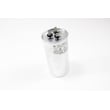
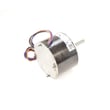
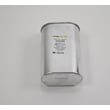
If you are troubleshooting frequent cycling or a no-start condition, common wear parts for this model include the capacitor 60 CAP050600440RTP and the capacitor 45 12769.
Last updated: February 2026
What is the most expensive part to replace on an AC unit?
On a central AC condensing unit like the Goodman CKJ30-1A, the compressor is typically the most expensive component to replace because it is the sealed, labor-intensive “heart” of the refrigerant system. When a compressor fails, repair costs often jump due to parts, refrigerant handling, and cleanup.
What usually costs the most (and why)
In most residential central air conditioners, these items drive the highest repair totals:
- Compressor: highest part cost plus significant labor and refrigerant work
- Outdoor coil (condenser coil): expensive part and time-consuming replacement
- Refrigerant leak repairs: labor-heavy; may include brazing, evacuation, and recharge
- Electrical failures that cascade: a failed capacitor or contactor can contribute to bigger damage if ignored
Common “big-ticket” vs “smaller-ticket” parts
These are typical cost drivers for a condensing unit repair; actual totals vary by region and system condition.
| Component | Typical cost impact | Notes |
|---|---|---|
| Compressor | Highest | Often includes refrigerant recovery and recharge work |
| Condenser coil | High | May be replaced as an assembly depending on design |
| Filter drier | Medium | Often replaced when the sealed system is opened |
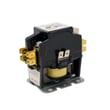
| Contactor / run capacitor | Lower | Common wear items; can prevent no-cool and hard-start issues |
Parts on this model page that relate to expensive failures
While the compressor itself is not listed in the parts shown here, we do list several parts that commonly fail and can contribute to major problems if they are left unaddressed:
- Capacitor 60 CAP050600440RTP (dual-motor run capacitor)
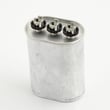
- Capacitor 45 12769 (dual-motor run capacitor)
- Capacitor CAP050800440RTP (run capacitor)
Why it matters
A weak run capacitor or pitted contactor can cause hard starts, overheating, and repeated short cycling. Fixing those issues early can reduce stress on the compressor, which is the costliest component to replace in most central AC systems.
Last updated: February 2026
What are common problems with Goodman air conditioners?
Common problems we see with Goodman central air conditioners (including the Goodman CKJ30-1A condensing unit) are “not cooling,” outdoor unit not running, short cycling, and electrical control failures. The most frequent root causes are airflow issues (dirty filter or blocked coil), thermostat/control problems, and failed electrical parts like a run capacitor or contactor.
Most common symptoms and what they usually mean
- AC runs but doesn’t cool well: restricted airflow, dirty indoor coil, low refrigerant charge, or a weak run capacitor
- Outdoor unit won’t start: failed contactor, failed capacitor, blown fuse, or wiring issue
- Hums then shuts off: weak capacitor, failing compressor, or fan motor problem
- Short cycling (starts and stops quickly): thermostat issue, dirty condenser coil, overheating, or electrical control problem
- Breaker trips: shorted wiring, failing compressor, or failing capacitor
Quick checks you can do first (before replacing parts)
- Set thermostat to cool and lower the setpoint at least 3 to 5 degrees.
- Replace/clean the indoor air filter and make sure supply and return vents are open.
- Inspect the outdoor condenser coil for dirt, grass clippings, or blocked airflow.
- Listen for a solid “click” at the outdoor unit (often points to the contactor pulling in).
- If you’re testing electrical, use safe meter practices; our guide how to use a multimeter to test electrical parts video helps you verify voltage and component condition.
Parts that commonly fail on this model
If your CKJ30-1A has power but the outdoor unit will not run or struggles to start, these parts are common suspects:
| Problem you notice | Common part involved | What it affects |
|---|---|---|
| Outdoor unit won’t pull in | Contactor | Sends line voltage to compressor/fan |
| Humming, hard starts, fan slow | Run capacitor | Helps compressor and fan motor start/run |
| Cooling fades over time | Filter drier (sealed system) | Moisture/contaminant control in refrigerant circuit |
Model-matched parts we list for this unit include the capacitor CAP050600440RTP and capacitor 45 12769.
Why it matters
Central air conditioner problems often start small (restricted airflow or a weakening capacitor) and quickly turn into bigger failures like overheated motors, repeated breaker trips, or compressor damage. Catching the early signs protects comfort and helps avoid more expensive repairs.
Last updated: February 2026
How much should a new 2.5-ton AC unit cost?
A new 2.5-ton central air conditioner typically costs about $5,000 to $19,000 installed, depending on efficiency (SEER2), local labor rates, and whether you are replacing only the outdoor condensing unit or a matched system. For a Goodman condensing unit like CKJ30-1A, installation scope drives a large share of the total.
What drives the price most
- Efficiency level (SEER2): higher efficiency costs more up front.
- Installation complexity: pad, electrical disconnect, line set condition, refrigerant work.
- Indoor coil and refrigerant compatibility: replacing the coil can be required for a proper match.
- Ductwork and airflow corrections: sealing, returns, static pressure fixes.
- Permits and code upgrades: electrical and refrigerant-related updates.
Typical cost breakdown
| Cost item | Typical range | What it includes |
|---|---|---|
| Equipment (2.5-ton outdoor unit) | $2,000 to $6,000 | Condensing unit, basic accessories vary by brand/efficiency |
| Labor and commissioning | $1,500 to $5,000 | Recovery/evacuation, charge, startup checks, airflow verification |
| Materials and incidentals | $300 to $1,500 | Pad, whip, disconnect, fittings, brazing supplies |
| Duct or electrical upgrades (if needed) | $0 to $6,000+ | Biggest swing factor in total price |
How to estimate your number quickly
- Confirm the system is truly 2.5 tons (a load calculation beats rule-of-thumb sizing).
- Decide outdoor-only vs matched system (outdoor unit plus indoor coil).
- Get line-item quotes separating equipment, labor, and duct/electrical work.
- If your current unit is failing to start or runs intermittently, compare repair cost first; common fixes include replacing a run capacitor such as the capacitor 45 12769.
Why it matters
A low bid often leaves out airflow, refrigerant, or electrical corrections that determine comfort and compressor life. Paying for proper sizing and commissioning prevents short cycling, humidity problems, and repeat breakdowns.
Last updated: February 2026
Can I replace AC spare parts myself?
Yes, you can replace some parts on your Goodman CKJ30-1A condensing unit yourself, but only for repairs that stay out of the sealed refrigerant system and are within your electrical skill level. Most DIY-friendly work is limited to basic component swaps and cleaning.
DIY-friendly repairs (common homeowner jobs)
With power shut off at the disconnect and breaker, these are typical tasks:
- Replace a run capacitor when the fan or compressor hums but will not start (match the ratings exactly), such as the capacitor 45 12769
- Replace a run capacitor for other common ratings when symptoms match, such as the capacitor CAP050800440RTP or capacitor CAP050600440RTP
- Clean leaves and debris from the outdoor coil and restore airflow clearance
- Inspect for obvious damage (swollen capacitor, burned terminals, loose spade connectors)
- Re-seat push-on wire terminals that are loose (only if you can keep every wire on the same terminal)
Repairs that are not DIY on a central AC
These jobs require specialized tools, procedures, and training:
- Any refrigerant work (opening the sealed system, replacing a filter drier, evacuating, charging)
- Compressor replacement or advanced compressor diagnostics
- Electrical troubleshooting involving live voltage testing or repeated breaker trips
- Repairs when you see arcing, melted insulation, or scorched wiring
Quick decision guide
| Repair | Typical DIY level | Key risk to manage |
|---|---|---|
| Run capacitor replacement | Moderate | Stored energy; correct rating and wiring |
| Coil cleaning and airflow clearing | Easy | Fin damage; avoid bending fins |
| Sealed-system refrigerant repair | Not DIY | Refrigerant handling and leak prevention |
Safety steps we follow before touching parts
- Turn off power at the outdoor disconnect and the main breaker
- Verify power is off with a multimeter
- Discharge the capacitor properly before removing wires
- Take a clear photo of wiring; move one wire at a time
Why it matters
On the CKJ30-1A, a wrong capacitor rating or miswired connection can prevent starting and can damage expensive components like the compressor. Staying within DIY-safe repairs keeps the fix reliable and protects the system.
Last updated: February 2026