Owner’s manual
 Error Codes


What does the number 23 signify?
On the GE GSS23GMKJCES side-by-side refrigerator, the “23” is a model-family size identifier that refers to a 23-cubic-foot class refrigerator. In the owner's manual, GE also groups “23’ CustomStyle” models together for dimensions, clearances, and installation specs.
Why “23” matters for parts and fit
That “23” helps match the correct cabinet size and installation clearances, which affects door swing, airflow, and water line routing. It also helps ensure you’re shopping the right parts list for your exact refrigerator model.
Where you’ll see “23” used
- Model naming and product family grouping (23’ vs. 25’, 26’, etc.)
- Installation clearances (side, top, back) for proper air circulation
- Dimensions and space planning (cabinet depth, countertop clearance)
- Comparing similar GE side-by-side models when ordering parts
Quick reference: what “23” usually means
| Item | What it indicates | What it does not indicate |
|---|---|---|
| “23” in model family | 23 cu. ft. class capacity | Exact exterior dimensions |
| “23’ CustomStyle” grouping | Shared install specs/clearances | A guarantee of identical shelves/doors |
Related tip: confirm the exact model before ordering
Even within the 23 cu. ft. class, small design changes can affect fit. When ordering common maintenance items, match by model number (GSS23GMKJCES) and the part listing.
Common examples for this model include:
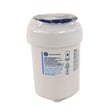
- GE refrigerator water filter MWFP (water taste and flow)
- Refrigerator water valve WR57X33326 (no water to dispenser or ice maker)
- Refrigerator evaporator fan motor WR60X10307 (warm fridge or uneven cooling)
Last updated: February 2026
Are GE side-by-side refrigerators good?
Yes. GE side-by-side refrigerators like model GSS23GMKJCES are a solid choice for everyday use because they typically offer consistent cooling, flexible storage (adjustable shelves and door bins), and convenient ice and water dispensing when maintained properly. For the exact features and care steps for your unit, use the owner's manual.
What “good” usually means for a side-by-side
A side-by-side refrigerator is considered good when it holds safe temperatures, fits your kitchen workflow, and stays reliable with routine maintenance.
Common strengths we see with GE side-by-sides:
- Easy organization with adjustable shelves and bins
- Quick access to frozen foods without bending as much as bottom-freezer styles
- Built-in ice and water dispenser convenience
- Straightforward temperature controls and common replacement parts availability
What to watch for (and how to prevent issues)
Most complaints we see across side-by-sides are maintenance-related, not design flaws.
Focus on these items:
- Water filter changes: A clogged filter can slow water flow and affect ice production; replace on schedule using the correct filter.
- Airflow: Avoid blocking vents with food packages; poor airflow causes warm spots.
- Door sealing: A weak seal leads to frost, temperature swings, and longer run times.
- Icemaker/dispenser upkeep: Occasional noise or slow ice often improves after cleaning and checking water supply.
Helpful DIY guidance:
Quick comparison: side-by-side vs other common styles
| Feature | Side-by-side (like GSS23GMKJCES) | Top-freezer | French door |
|---|---|---|---|
| Freezer access | Eye-level | Eye-level | Lower drawer |
| Fresh-food width | Narrower shelves | Wider shelves | Widest shelves |
| Dispenser common | Yes | Less common | Common |
| Organization | High (many bins) | Moderate | High |
Parts that support long-term performance
Keeping key systems maintained is a big part of “good” ownership.
- Water filtration: GE refrigerator water filter MWFP
- If water dispensing or ice fill is inconsistent, the inlet valve is a common check: refrigerator water valve WR57X33326
Why it matters
A refrigerator is only as “good” as its ability to hold steady temperatures and deliver water and ice reliably. Routine filter changes, good airflow, and a tight door seal protect food quality, reduce odors, and help the unit run efficiently.
Last updated: February 2026
What is the most common problem with a GE refrigerator?
The most common issue we see with GE refrigerators like model GSS23GMKJCES is cooling trouble (fresh food or freezer not staying cold). It is often caused by airflow problems, a defrost issue, or a failed cooling component; the troubleshooting steps in the owner's manual help you narrow it down fast.
Most common symptoms (and what they usually point to)
- Not cooling or warm temperatures: evaporator fan, defrost system, dirty condenser area, control settings
- Strange noises: many are normal during defrost or pressure equalization
- Ice maker or dispenser not working: water supply, filter restriction, inlet valve, dispenser mechanism
- Water leaking or puddles: clogged/iced drain, dispenser leaks, ice chute issues
- Door not closing or beeping: door left open, gasket sticking, alignment
Quick checks we recommend first
- Confirm controls are not set to OFF and give the unit time to stabilize after changes.
- If it seems “dead,” check power and breaker; the manual notes the refrigerator may also be in a defrost cycle (wait about 30 minutes).
- Listen for normal sounds: sizzling/popping/buzzing during defrost, dripping as ice melts, and gurgling when the door closes can all be normal.
- If the refrigerator is beeping, close the door and check for gasket sticking or folding.
- If water flow is slow at the dispenser, replace the filter and purge air from the line.
Common parts involved (when symptoms match)
| Symptom | Likely system | Example part for GSS23GMKJCES |
|---|---|---|
| Warm fridge/freezer | Airflow in freezer | Refrigerator evaporator fan motor WR60X10307 |
| No ice or weak water flow | Filtration | GE refrigerator water filter MWFP |
| No water to dispenser/ice maker | Water supply control | Refrigerator water valve WR57X33326 |
| Frost buildup, warming | Defrost protection | Refrigerator defrost bi-metal thermostat WR50X10065 |
Why it matters
Cooling problems can quickly lead to food spoilage, and water-flow restrictions can make the ice maker act “dead” even when it is fine. Starting with settings, door sealing, and airflow checks prevents unnecessary part replacement.
Last updated: February 2026
Why is my GE side-by-side refrigerator making a loud humming noise?
A loud humming noise in your GE GSS23GMKJCES side-by-side refrigerator is often normal compressor or fan operation, especially after plugging in, frequent door openings, or adding warm food. If the hum is new, much louder than usual, or constant, it typically points to a fan, airflow restriction, or a compressor start issue.
First, confirm whether the sound is normal
GE notes that newer, high-efficiency refrigerators can produce a high-pitched hum or pulsating sound, plus louder fan noise when the unit is working harder to stabilize temperatures. Check the sound pattern before replacing parts.
- Hums more right after startup or after loading groceries
- Hums when doors have been opened often
- Changes pitch as temperatures recover
- Stops and starts with cooling cycles
Quick checks you can do safely
Unplug the refrigerator before touching any moving parts or removing covers.
- Make sure the refrigerator is level and not vibrating against a wall or cabinet
- Listen at the back bottom (condenser fan area) versus inside the freezer (evaporator fan area)
- Check for items touching the rear interior panel or blocking vents
- If the hum happens with the door open, listen for a fan speeding up
- If you also have weak cooling, treat the hum as a symptom of airflow or control issues
Common causes and the parts that match the symptom
If the noise is coming from inside the freezer or fresh-food airflow path, the evaporator fan is a top suspect. If it is coming from the machine compartment, the condenser fan or compressor electrical components are more likely.
| Where the hum is loudest | Most likely cause | Part to consider (if needed) |
|---|---|---|
| Freezer/rear interior panel | Evaporator fan motor or blade rubbing ice/debris | Refrigerator evaporator fan motor WR60X10307, refrigerator evaporator fan blade WR60X30922 |
| Back/bottom of unit | Condenser fan motor noise or restricted airflow | Condenser motor WR60X10209 |
| Back/bottom with clicking or hard restarts | Compressor start/run electrical issue | Refrigerator run capacitor WR55X24064 |
| Noise plus temperature swings | Sensor/control reacting incorrectly | GE profile refrigerator temperature sensor WR55X10025 |
Why it matters
A steady, louder-than-normal hum usually means a motor is straining or airflow is restricted. Fixing the cause early helps prevent warm temperatures, ice buildup, and premature wear on the compressor and fans.
Helpful reference
For the model-specific “normal operating sounds” descriptions and what to listen for, use the owner's manual.
Last updated: February 2026
Why is my GE side-by-side refrigerator not making ice?
If your GE GSS23GMKJCES side-by-side refrigerator is not making ice, the most common causes are the icemaker power switch being OFF, the water supply being shut off or restricted, or the freezer being too warm. After water is connected and the switch is ON, ice production starts in 12 to 24 hours.
Quick checks that fix most “no ice” problems
- Set the icemaker power switch to ON.
- Confirm the household shutoff valve is fully open and the supply line is not kinked.
- Make sure the freezer is cold; warm freezer temps stop ice production.
- Check the feeler arm and ice bin; cubes piled up can hold the shutoff arm up.
- Turn the icemaker OFF, clear any stuck cubes, then turn it back ON.
- Discard the first few batches after restoring water flow to clear the line.
Water flow and filter problems
A clogged filter or restricted supply can stop both the dispenser and icemaker. If water flow is weak, replace the filter used on this model: refrigerator water filter MWFP.
| Symptom | Most likely cause | What to do |
|---|---|---|
| No ice and no water | Supply valve off or clogged line | Open valve; clear/replace line as needed |
| No ice after filter change | Air in water system | Dispense water until flow is steady |
| Ice clumps or slow output | Freezer too warm, frequent door openings | Lower freezer setting; wait 24 hours |
Parts that commonly solve “no ice” on this model
If the freezer is cold and water supply is good but the icemaker still will not fill, these parts are common fixes:
- Refrigerator water valve WR57X33326 (controls water to the icemaker)
- Refrigerator ice maker kit WR30X35285 (icemaker assembly)
Why it matters
The icemaker fills only after the freezer reaches the right temperature; restricted water flow also prevents proper fills and leads to small cubes, clumping, or no ice.
For icemaker operation details and troubleshooting steps specific to GSS23GMKJCES, use the owner's manual.
Last updated: February 2026