Owner’s manual



What is the lifespan of an LG dryer?
Most LG dryers, including the LG DLEX3070W, typically last 10 to 15 years. Reaching the high end of that range depends most on airflow (lint screen and venting), load habits, and catching wear parts early before they strain the motor and heater. See the DLEX3070W owner's manual for model-specific care guidance.
What affects how long an LG dryer lasts
- Vent restriction (crushed duct, long runs, clogged hood) increases heat and run time.
- Lint buildup inside the cabinet or blower housing raises operating temperature.
- Overloading stresses the drum support system, belt, and motor.
- Frequent high-heat cycles accelerate wear on thermostats and the heating system.
- Worn drum support parts can cause noise and extra drag that shortens motor life.
Maintenance that helps you hit 10 to 15 years
- Clean the lint screen every load; replace it if torn or warped.
- Inspect and clean the vent line and outside hood regularly.
- Keep loads medium-sized so the drum turns freely.
- Stop using the dryer if you smell burning or hear persistent squealing or thumping.
- Address common wear items early, such as a slipping belt or noisy rollers.
Common wear parts and what they usually mean
| Symptom | Likely wear area | Example part for DLEX3070W |
|---|---|---|
| Drum not turning, motor runs | Drive system | Belt 4400EL2001F |
| Squealing or thumping | Drum support | Dryer drum support roller 4581EL2002L |
| Long dry times, overheating | Airflow or heat control | Dryer high-limit thermostat 6931EL3003D |
Why it matters
A dryer that runs hotter or longer than normal wears out faster and can damage expensive assemblies like the motor and heater. Simple airflow maintenance and timely replacement of wear parts usually costs less than repeated breakdowns.
Last updated: January 2026
Are LG ventless dryers any good?
Yes. LG ventless dryers are a good choice when you need flexible installation and lower energy use; most owners like the quiet operation and convenience, but you should expect longer dry times than a vented electric dryer and more routine filter and condenser cleaning. For cycle details and care steps, use the DLEX3070W owner's manual.
What “good” means for ventless dryers
Ventless dryers (most commonly heat pump designs) trade speed for efficiency and installation flexibility.
Typical strengths
- Lower energy use than many traditional vented electric dryers
- No exterior vent required (helpful for condos, interior laundry rooms, and remodels)
- Generally quieter, with steadier temperatures that can be gentler on fabrics
- Better humidity control in the room when maintained correctly
Typical tradeoffs
- Longer cycles (often 1.5 to 3 hours depending on load size and fabric)
- More maintenance: lint filters plus condenser/heat exchanger cleaning
- Sensor drying can be less consistent if sensors are dirty or loads are mixed
Quick comparison: ventless vs vented
| Feature | Ventless (heat pump) | Vented electric |
|---|---|---|
| Installation | No outside vent | Requires outside vent |
| Drying time | Longer | Faster |
| Energy use | Lower | Higher |
| Maintenance | Filters + condenser cleaning | Lint filter + vent cleaning |
Maintenance that makes the biggest difference
Keeping airflow and sensors clean is what separates “great performance” from “takes forever.”
- Clean the lint screen every load; replace a damaged screen such as the dryer lint filter 5231EL1003B
- Wipe moisture sensor bars periodically; replace if damaged (example: dryer moisture sensor 6500EL3001A)
- Avoid overloading; large loads extend cycle time and reduce sensor accuracy
- Use the right cycle for the fabric; mixed loads often dry unevenly
- If drying slows suddenly, check for airflow restrictions and internal lint buildup
Why it matters
A ventless LG dryer can be an excellent long-term fit when venting is difficult or energy savings are a priority. The “not good” experiences usually come from expecting vented-dryer speed or skipping the extra cleaning that ventless designs require.
Last updated: January 2026
Why is my LG steam dryer not drying?
If your LG DLEX3070W steam dryer runs but clothes stay damp, the most common causes are restricted airflow (lint screen, vent, or blower area) or a sensor issue that ends the cycle early. Start with cleaning and airflow checks, then move to heat and sensor-related parts. See the DLEX3070W manual for cycle and venting requirements.
Quick checks that fix most “not drying” complaints
- Clean the lint screen before every load; wash it with warm water if fabric softener residue is present.
- Confirm strong airflow at the outside vent hood while the dryer is running.
- Check the vent path for kinks, crushed flex duct, long runs, or a clogged vent hood flap.
- Avoid overloading; tightly packed loads block air movement through fabrics.
- Use the right cycle: sensor-dry cycles can stop early if the sensor bars are coated.
If the dryer tumbles but seems to have weak airflow
Airflow problems can mimic a “no heat” issue because moisture cannot leave the drum.
| Symptom | Most likely cause | What to do next |
|---|---|---|
| Clothes warm but still damp | Vent restriction | Clean/shorten venting; clear hood lint buildup |
| Lint screen looks clean but airflow is weak | Lint buildup inside dryer or blower area | Inspect blower housing and ducting inside cabinet |
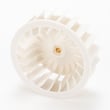
| Dryer is loud and airflow is poor | Damaged blower wheel | Inspect/replace the dryer blower wheel 5835EL1002A |
If the dryer has little or no heat
On an electric LG dryer like the DLEX3070W, heat problems are often tied to the heater circuit or safety thermostats.
- Verify the dryer is getting full 240V power (a tripped breaker can leave it running on 120V with no heat).
- If power is correct, check the heater circuit components.
- Common repair parts include the dryer heating element 5301EL1001H and the dryer high-limit thermostat 6931EL3003D.
Why it matters
Poor drying is usually an airflow issue first; fixing venting improves dry times, reduces overheating, and helps protect components like the heating element, thermistors, and thermostats.
Related help
If your dryer is showing a code along with poor drying, use the LG steam dryer error codes guide to match the code to the most likely failure.
Last updated: January 2026
What is the most common problem with LG dryers?
For the LG DLEX3070W dryer, the most common problem we see is restricted airflow from lint buildup in the lint screen housing, vent duct, or outside vent hood. Poor airflow causes long dry times, overheating, and sometimes automatic shutoff or airflow-related error codes.
Quick checks that fix the most “common” LG dryer issues
- Clean the lint screen before every load and wash it with mild soap monthly to remove fabric softener film.
- Inspect the vent hose behind the dryer for kinks, crushing, or excessive length.
- Check the outside vent hood for a stuck flap, lint blockage, or bird nest.
- Run a timed dry cycle and confirm strong airflow outside.
- If loads still take too long, clean the internal lint path and blower area.
When it is not airflow: common part-related causes
If airflow is good but performance is still poor, these are frequent culprits on electric dryers like the DLEX3070W:
| Symptom | Common cause | Example part to check on this model |
|---|---|---|
| Dryer runs but no heat | Failed heater or safety thermostat opened | Dryer heating element 5301EL1001H, dryer high-limit thermostat 6931EL3003D |
| Dryer heats but shuts off early or dries unevenly | Sensor/temperature feedback issue | Dryer thermistor AGM30045804, dryer moisture sensor 6500EL3001A |
| Squealing, thumping, or rumbling | Worn belt, idler, or drum support | Belt 4400EL2001F, dryer idler pulley 4560EL3001A, dryer drum support roller 4581EL2002L |
Why it matters
Restricted venting is the root cause behind many “dryer not drying” complaints because the dryer cannot move enough air to carry moisture out. Fixing airflow first prevents repeat overheating symptoms and helps the heater, thermostats, and sensors operate normally.
Helpful references for this LG dryer
- Use the maintenance and venting guidance in the DLEX3070W manual.
- If an error code appears, match it to symptoms using LG dryer error codes.
Last updated: January 2026