Installation guide
 Owner’s manual
 Error Codes


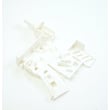

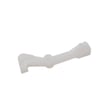
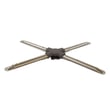
Can I replace dishwasher parts myself?
Yes, for KitchenAid KDPE234GPS0 you can replace many dishwasher parts yourself if you can safely shut off power and water and follow the correct steps. Rack hardware, hoses, latches, and some seals are common DIY repairs; electrical and leak-related repairs take more care.
Good DIY repairs vs. better left to a pro
Here’s a practical way to decide what to tackle.
- Good DIY: rack adjusters, rack wheels, door latch, drain hose
- DIY with extra care: water inlet valve, drain pump, circulation hoses (water connections and leak checks matter)
- Better left to a pro: control issues, wiring damage, repeated leaks you cannot pinpoint
| Repair type | Typical difficulty | Main risk | Common parts involved |
|---|---|---|---|
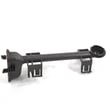
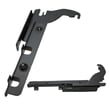
| Upper rack not staying level | Easy | Rack damage | Dishwasher dishrack adjuster WPW10546503 |
| Lower rack not rolling | Easy | Rack track wear | Whirlpool dishwasher dishrack wheel W10195416V |
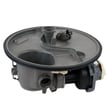
| Not draining | Medium | Water spill, clogs | Dishwasher drain pump W10876537, drain hose |
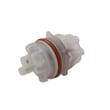
| Not filling | Medium | Leaks, water damage | Dishwasher water inlet valve W11175771 |
Safety steps we recommend before any repair
- Turn off power at the breaker (dishwashers are hardwired or plugged in under the sink).
- Shut off the water supply valve under the sink.
- Protect the floor with towels; keep a shallow pan handy.
- Take photos of wire and hose routing before removal.
- After reassembly, run a short cycle and check underneath for leaks.
Model-specific tips from the documentation
- For rack-related work, follow the rack removal and leveling steps in the KDPE234GPS0 owner’s manual. Keeping the top rack level helps prevent poor washing and track damage.
- If you are doing an install-type repair (moving the unit, reconnecting water), use the KDPE234GPS0 installation guide. It calls out key practices like flushing supply lines before connecting and avoiding soldering close to the water inlet valve.
Why it matters
DIY repairs on KDPE234GPS0 can save time and restore cleaning performance, but dishwashers combine electricity and water. Using the correct procedure and doing a careful leak check prevents repeat failures and cabinet or floor damage.
Last updated: February 2026
How can I tell what KitchenAid model I have?
You can identify your KitchenAid dishwasher model by finding the model and serial number label inside the tub, near the door opening (typically on the right or left interior side). Write the model number down exactly as shown, then match it to the correct parts list or KDPE234GPS0 owner's manual.
Where to find the model number on a KitchenAid dishwasher
Look for a sticker or metal tag in one of these common spots:
- On the tub wall just inside the door (right side or left side)
- Along the inner edge of the door frame
- Near the top of the tub opening where the door closes
- Occasionally on the side of the tub behind the front panel (less common)
What to write down (and why)
Record both numbers so you can get the right parts, diagrams, and troubleshooting steps.
| What to record | Example format | What it’s used for |
|---|---|---|
| Model number | KDPE234GPS0 | Matching the correct parts and manuals |
| Serial number | Letters and numbers | Identifying production details for service |
Tips to avoid a wrong match
Model numbers can be very similar, so accuracy matters.
- Copy every character (letters, numbers, and any ending digits)
- Do not use the marketing name (like “Architect Series”); use the model number
- If the label is worn, take a clear photo and zoom in
- Match the model number first; use the serial number as a secondary reference
Why it matters
KitchenAid dishwashers often share similar designs across model families, but parts like the control, racks, and pumps can vary by model revision. Using the exact model number helps ensure you order the correct replacement part the first time.
Last updated: February 2026
How many decibels is a KitchenAid kdpe234gps0?
The KitchenAid KDPE234GPS0 dishwasher runs at about 46 dBA (a quiet, normal conversation level). In real kitchens, the perceived sound can vary slightly based on cabinet installation, load, and cycle selection; check the KDPE234GPS0 owner’s manual for model-specific operating details.
What 46 dBA sounds like in everyday use
A 46 dBA dishwasher is designed to be “quiet kitchen” friendly. You may still hear water spray changes and pauses during the cycle, which is normal for this platform.
- Soft wash and drain sounds are most noticeable at night
- Spray arm changes can sound like brief surges
- Pauses between wash stages are normal
- Hard items (pots, utensils) can amplify noise if they rattle
- Loose toe-kick panels can add vibration noise
Quick comparison: where 46 dBA fits
| Sound level | What you typically notice | Typical perception |
|---|---|---|
| 39 to 44 dBA | Barely noticeable | “Very quiet” |
| 45 to 48 dBA | Low, steady wash sounds | “Quiet” |
| 49 to 55 dBA | Clearly audible in the room | “Moderate” |
If your KDPE234GPS0 suddenly sounds louder
Noise changes usually come from installation vibration, loading issues, or water movement changes.
- Confirm the dishwasher is firmly mounted and level (see the KDPE234GPS0 installation guide)
- Re-load to prevent items from contacting the spray arms
- Clean the filter and check for debris in the sump area
- Listen for a new grinding sound during drain; that can point to a drain restriction
- If the lower rack is wobbling or rattling, inspect the whirlpool dishwasher dishrack wheel W10195416V for wear or a broken hub
Why it matters
Sound level is a useful benchmark, but installation and loading have the biggest impact on what you actually hear. A properly leveled, securely mounted dishwasher with stable racks will sound closest to its rated dBA.
Last updated: February 2026
What is the average lifespan of a KitchenAid dishwasher?
A KitchenAid dishwasher typically lasts about 10 years with normal household use and basic maintenance. For your KitchenAid KDPE234GPS0, keeping the filtration system clean and using rinse aid consistently helps you get the full expected service life; see the KDPE234GPS0 owner's manual for care details.
Typical lifespan and what affects it
Most dishwashers reach the end of their useful life due to wear in the wash system (pump, motor, seals) or repeated heating and draining stress.
Common factors that shorten lifespan:
- Hard water scale buildup (especially without rinse aid)
- Clogged filters or restricted spray arms
- Frequent heavy loads and high-heat cycles
- Leaks that go unnoticed (door seal, hoses, pump area)
- Poor draining (standing water strains the drain pump)
Maintenance that extends life (high impact)
We recommend these habits for the KDPE234GPS0:
- Clean the filter area regularly and remove debris after broken glass events
- Use rinse aid to improve drying and reduce mineral deposits
- Run hot water at the sink before starting a cycle for better wash performance
- Check for slow draining and correct it early
- Inspect racks and rollers so the door closes smoothly and seals correctly
Quick check table
| What you notice | What it usually means | What to do next |
|---|---|---|
| Dishes not drying well | Low or no rinse aid, mineral deposits | Refill rinse aid; follow care steps in the manual |
| Water left in tub | Drain restriction or weak drain pump | Clear blockage; consider a drain pump diagnosis |
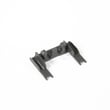
| Door won’t latch reliably | Latch wear or alignment issue | Inspect/replace the dishwasher door latch WPW10653840 |
| Leaks at the bottom of the door | Lower seal wear or debris | Clean sealing surfaces; consider the lower door seal |
Why it matters
A dishwasher near the end of its lifespan often shows up as longer cycle complaints, poor cleaning, draining issues, or intermittent control problems. Staying ahead of filter cleaning and sealing issues helps prevent secondary damage to the pump, motor, and electronic controls.
Last updated: February 2026
What is the most common problem with KitchenAid dishwashers?
On the KitchenAid KDPE234GPS0 dishwasher, the most common issue we see is drainage trouble (water left in the tub). It’s usually caused by a clogged filter or drain path, a blocked air gap, or a failing drain component such as the drain pump.
Quick checks that fix most “won’t drain” complaints
- Cancel the cycle and run Cancel/Drain, then listen for the drain pump running.
- Check and clean the sink/disposer connection and make sure the drain hose is not kinked.
- If you have a drain air gap, remove the cap and clean it (KitchenAid notes this when draining is poor).
- Confirm the door is fully closed and latched; some cycles pause repeatedly and won’t proceed if the door is not latched.
- Remove and rinse the filter area and sump screen (food debris here commonly causes slow drain).
Parts that commonly solve a true drain failure
If the drain path is clear but the dishwasher still leaves water behind, these parts are frequent fixes on this platform:
| Symptom | Most likely cause | Part to consider |
|---|---|---|
| Hums but won’t push water out | Weak/failed drain pump | Dishwasher drain pump W10876537 |
| Drains slowly or backs up | Restricted or damaged drain hose | Dishwasher drain hose 8269144A |
| Won’t fill properly (can mimic drain issues) | Water inlet problem affecting cycle progress | Dishwasher water inlet valve W11175771 |
Why it matters
Drainage problems can leave dirty water in the bottom of the tub, cause odors, and reduce cleaning performance because the wash system recirculates contaminated water. Fixing the drain path early also helps prevent repeat clogs and unnecessary part replacements.
Where to confirm model-specific steps
For KDPE234GPS0 button sequences, cycle behavior (including normal pauses), and troubleshooting guidance, follow the KDPE234GPS0 owner’s manual.
Last updated: February 2026