




Can a clogged drain cause an FTD error?
Yes. On the GE GSD4910X66AA dishwasher, an FTD (fail to drain) error commonly happens when water cannot leave the tub fast enough due to a clog in the drain path, such as the sump area, drain hose, or the sink or disposal connection.
What to check first (fast, no-parts steps)
- Cancel the cycle and let the unit stop completely.
- Remove standing water (cup or wet vac) so you can see the sump area.
- Check the sink drain or garbage disposal inlet where the dishwasher drain connects; clear any blockage.
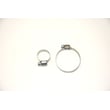
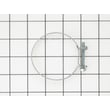
- Inspect the drain hose for kinks, crushing, or a low spot that traps debris; if it is restricted, replace the drain hose WD24X10014.
- If you hear the drain motor running but water barely moves, suspect a blockage at the pump inlet or a worn pump component.
Common clog points that trigger FTD
| Clog location | What you typically notice | What usually fixes it |
|---|---|---|
| Sink or disposal connection | Dishwasher drains slowly or backs up into sink | Clear the inlet, confirm knockout plug is removed (new disposal installs) |
| Drain hose | Slow drain, intermittent FTD | Reroute hose, clear obstruction, replace hose |
| Pump area (sump/impeller zone) | Humming during drain, little to no water movement | Clear debris; inspect pump components |
| Drain solenoid (if equipped) | Drains sometimes, then stops | Check linkage and replace the solenoid WD21X802 if it is not actuating |
Why it matters
FTD is a symptom, not the root problem. Clearing the clog quickly helps prevent dirty water from redepositing on dishes, reduces odor, and avoids repeated cycle interruptions.
When a part is likely needed
- Hose is soft-collapsed, split, or permanently kinked: replace the drain hose WD24X10014.
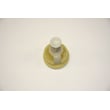
- Drain function is weak even with a clear hose and clear sink connection: inspect the pump assembly; a damaged housing can require the pump housing WD26X10013.
For code-specific guidance on GE dishwashers, use GE dishwasher error codes.
Last updated: January 2026
How to clear GE dishwasher error code?
On the GE GSD4910X66AA dishwasher, most error codes clear after a reset and a successful start of a new cycle. We recommend doing a control reset first, then checking for the common “cause” items (drain, fill, door latch) so the code does not immediately return.
Step-by-step: clear the code
- Press and hold Start/Reset for about 3 seconds (many GE models cancel the cycle and reset this way).
- Wait for the dishwasher to stop and, if it was running, allow it to drain.
- If the code returns, turn power off at the breaker for 5 to 10 minutes, then restore power.
- Start a normal wash and listen for fill and wash action.
- If the unit will not drain or the code relates to draining, inspect the drain path and consider the drain hose WD24X10014.
What to check so the code stays cleared
Most GE dishwasher error codes come back when the underlying condition is still present.
- Drain problems: kinked hose, clogged air gap (if used), blocked disposer inlet, or a stuck drain mechanism
- Fill problems: water supply valve closed, float stuck up, or low water pressure
- Wash problems: spray arm blocked, heavy soil in sump area, or poor circulation
- Door/controls: door not fully latched, moisture in the control area, or a stuck key
Quick symptom-to-part map (common on older GE designs)
| Symptom after reset | What it usually points to | Example part for this model |
|---|---|---|
| Hums but will not circulate water | Circulation motor or pump issue | Pump housing WD26X10013 |
| Will not drain at end of cycle | Drain restriction or drain actuator issue | Solenoid WD21X802 |
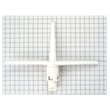
| Poor cleaning, weak spray | Spray arm or tower obstruction | Spry arm asm WD22X155 |
Use the right code list for GE
If your display shows a specific code, match it to the GE code definition first, then troubleshoot that circuit.
- Use GE electronic dishwasher error codes for electronic-control style codes
- Use GE dishwasher error codes for other GE dishwasher code formats
Why it matters
Clearing the code resets the control, but the dishwasher will often re-flag the same error within the next cycle if a drain hose restriction, pump issue, or door-latch problem is still present. Fixing the root cause prevents repeat shutdowns and incomplete washes.
Last updated: January 2026
What are the most common problems with GE dishwashers?
The most common problems we see on GE dishwashers like model GSD4910X66AA are not draining, leaking, poor cleaning, not starting, and unusual odors. Many of these issues trace back to clogs, worn seals, or wash system parts that are loose, blocked, or failing.
Most common symptoms and what usually causes them
- Not draining: kinked/clogged drain line, blocked sump area, or a drain actuator issue
- Leaking: worn door seal, misaligned door, or a loose hose connection
- Dishes not getting clean: clogged spray paths, low water fill, or weak wash circulation
- Won’t start: door not latching fully, power supply issue, or control problem
- Bad smells: food debris buildup in the tub, sump, or spray components
Quick checks you can do first (no parts required)
- Turn off power at the breaker, then restore power to reset the dishwasher.
- Confirm the door closes firmly and the cycle actually latches.
- Check the sink drain and garbage disposal for a blockage that can back up the dishwasher.
- Inspect the drain hose routing for kinks and make sure it has a high loop.
- Clean out visible debris in the bottom of the tub and around the wash intake area.
Parts that commonly relate to these problems on GSD4910X66AA
If basic cleaning and hose checks do not help, these model-matched parts are often involved:
| Symptom | Common part area | Example model-matched part |
|---|---|---|
| Not draining | Drain path / hose | Drain hose WD24X10014 |
| Leaking at the door | Door sealing | Door gasket WD8X229 |
| Poor cleaning | Spray and wash delivery | Spry arm asm WD22X155 |
| Weak wash or loud wash noise | Pump and motor area | Pump housing WD26X10013 |
Error codes (when your dishwasher shows them)
If your GE dishwasher displays an error code, use the code to narrow the troubleshooting to the right circuit or component. Start with GE electronic dishwasher error codes for code meanings and the most common fixes.
Why it matters
Dishwasher problems often cascade: a small clog can cause poor cleaning, odors, and even leaks from water backing up. Catching the root cause early helps protect the pump, motor, and door sealing surfaces.
Last updated: January 2026





