Installation guide
 Owner’s manual
 Error Codes


Are KitchenAid appliances high end?
Yes. KitchenAid is widely considered a premium (upper-mid-range) appliance brand; for the KitchenAid dishwasher model KDFE104DBL2, that typically means stronger build quality, quieter operation, and more refined features than entry-level dishwashers, without being priced like true luxury lines.
What “high end” means for KitchenAid dishwashers
KitchenAid generally sits above many mass-market brands in fit, finish, and performance features. For dishwashers, that often shows up as:
- Better wash coverage and filtration design
- Quieter sound ratings compared with basic models
- More durable racks and rack-adjustment hardware
- More cycle and option flexibility (drying, sanitizing, etc.)
- Stronger long-term parts support and service network
For model-specific features, cycle options, and care recommendations, we use the KDFE104DBL2 owner’s manual.
How KitchenAid compares (typical market positioning)
| Tier | What you usually get | Examples |
|---|---|---|
| Value | Basic cleaning, fewer options, louder | Entry-level dishwashers |
| Premium (KitchenAid) | Quieter, sturdier racks, more options | KitchenAid dishwashers like KDFE104DBL2 |
| Luxury | Pro-level customization, highest-end materials, premium pricing | Luxury-focused lines |
A practical way to judge “high end” in your own kitchen
We recommend checking these real-world indicators on your KDFE104DBL2:
- Noise level during wash and drain
- Rack smoothness and stability (rollers and adjusters)
- Drying results on plastics and mixed loads
- Cleaning performance on baked-on soils
- Reliability of the door latch and controls
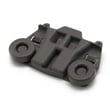
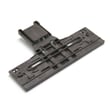
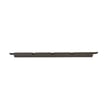
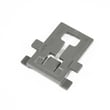
If your racks are hard to roll or feel loose, a common wear item is the dishwasher dishrack roller assembly, lower WPW10195417.
Why it matters
“High end” is most meaningful when it translates into fewer re-washes, less noise, and fewer repairs over time. Premium dishwashers also tend to justify maintenance and part replacement because the overall platform is built to last.
Last updated: February 2026
What is the average lifespan of a KitchenAid dishwasher?
Most KitchenAid dishwashers, including model KDFE104DBL2, typically last 10 to 14 years. Lifespan depends most on water quality, how often you run cycles (many loads average 2 to 3 hours), and routine care like using rinse aid and keeping wash components clean; see the KDFE104DBL2 user manual.
What affects dishwasher lifespan the most
- Hard water and mineral buildup: shortens the life of the water inlet valve, heater, and pump seals.
- Detergent and suds issues: using the wrong detergent or too much can cause foaming that disrupts filling and washing.
- Drying system use: consistent heated drying adds wear to the heating circuit.
- Door use and loading habits: slamming the door or overloading racks stresses hinges, latches, and rollers.
- Maintenance frequency: cleaning and addressing small leaks early prevents bigger failures.
Quick care checklist to reach 10 to 14 years
- Use automatic dishwasher detergent only (never hand soap or laundry detergent).
- Keep the rinse aid dispenser filled and cap installed to improve drying and reduce deposits.
- Run hot water at the sink until it is hot before starting; incoming water should be about 120°F (49°C).
- Avoid overloading; keep spray paths clear and don’t block the detergent dispenser.
- Fix rack tracking issues early; worn wheels can strain the rack and rails (example: dishwasher dishrack roller assembly, lower WPW10195417).
Typical lifespan expectations (what’s normal)
| Usage pattern | Typical lifespan | What usually wears first |
|---|---|---|
| Light (few loads/week) | 12 to 14 years | Door latch, rack rollers |
| Average (most households) | 10 to 12 years | Drain pump, inlet valve |
| Heavy (daily, hard water) | 8 to 10 years | Pump seals, heater circuit |
Why it matters
A dishwasher that is maintained for long-term use cleans better, dries better, and avoids common mid-life repairs like drain problems, filling issues, and door-latch failures. Good habits also reduce mineral buildup that can shorten the life of key components.
Last updated: February 2026
Can I replace dishwasher parts myself?
Yes, for KitchenAid dishwasher model KDFE104DBL2, many common repairs are DIY-friendly if you shut off power and water first and follow the step-by-step procedures in the KDFE104DBL2 installation guide. For electrical diagnostics or leak-related repairs, we recommend extra caution and careful reassembly checks.
Good DIY repairs vs. better left to a pro
Many customers successfully replace mechanical and access parts; repairs involving wiring, water connections, or tight cabinet installs take more skill.
- Good DIY: rack wheels/adjusters, door latch, door balance link, drain hose
- Moderate DIY: water inlet valve, drain pump, detergent dispenser
- Advanced DIY: control panel, wire harness, pump and motor assembly
| Repair type | What you’ll do | Typical risk |
|---|---|---|
| Rack and door hardware | Remove clips/screws, snap parts in place | Low |
| Drain and fill parts | Work with hoses/valves, check for leaks | Medium |
| Electrical/control parts | Handle wiring and connectors | Higher |
Safety and setup we follow before any repair
Use these basics every time to avoid shocks, leaks, and installation problems.
- Disconnect power at the breaker (or unplug if corded)
- Turn off the dishwasher water supply valve
- Protect the pump area if working with the door open (a towel helps prevent dropped screws from falling into the sump)
- Avoid kinking or pinching the water line, drain hose, and power cord when sliding the unit in or out
- Plug only into a grounded 3-prong outlet; do not use an adapter or extension cord
Model-specific tips that prevent common mistakes
These checks from the KDFE104DBL2 install procedure also help after a repair:
- After reinstalling, run the shortest cycle; after about 2 minutes, unlatch the door, wait 5 seconds, then open and confirm there is water in the bottom of the tub.
- If the door closes or falls open by itself, adjust door spring tension so both sides use the same tensioner hole.
- If side-mounting screws cause door rubbing, re-center the dishwasher and reinstall the plastic tub buttons.
Parts customers commonly replace on this model
If your symptom matches, these are common starting points:
- Lower rack not rolling smoothly: dishwasher dishrack roller assembly, lower WPW10195417
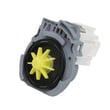
- Dishwasher not draining: dishwasher drain pump WPW10348269
- Door not latching or cycle will not start: dishwasher door latch WPW10653840
Why it matters
DIY repairs can save time and money, but dishwashers combine water, electricity, and tight cabinet clearances. Following the correct install and test steps helps prevent leaks, door alignment issues, and repeat failures.
Last updated: February 2026
What is the most common problem with a KitchenAid dishwasher?
The most common problems on KitchenAid dishwashers, including model KDFE104DBL2, are performance issues: not cleaning well, not drying well, not draining, or not filling. These are usually caused by loading, water temperature, detergent or suds, or a restriction before any major part fails.
Most common symptoms and the usual causes
- Dirty dishes after a cycle: blocked spray arms, filter area buildup, low incoming water temperature, or heavy soil left on dishes
- Wet dishes: no rinse aid, heated dry option not used, plastics trapping water
- Standing water: drain path restriction, kinked drain hose, or a weak drain pump
- Won’t fill or stops early: water supply not fully on, overfill float stuck, or excess suds
- Leaks: lower door seal wear, loose hose connections, or oversudsing
Quick checks we recommend first (KDFE104DBL2)
These checks align with common KitchenAid troubleshooting guidance and solve many day-to-day complaints:
- Confirm the water supply valve is fully open (especially after a new installation)
- Make sure the overfill protection float moves freely; press down to release if it sticks
- Use automatic dishwasher detergent only; hand soap or laundry detergent creates suds that disrupt filling and washing
- Verify incoming water is at least 120°F (49°C) for best cleaning
- Use rinse aid and select a heated drying option for improved drying
| Symptom | Best first step | Part to consider if it persists |
|---|---|---|
| Not draining | Clear drain path; check hose routing | Dishwasher drain pump WPW10348269 |
| Not filling | Open supply; free float; eliminate suds | Dishwasher water inlet valve W11175771 |
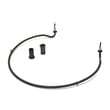
| Not drying | Add rinse aid; use heated dry; improve loading | Element assembly W10703867 |
Why it matters
Most “common dishwasher problems” are preventable performance issues. Correct detergent, proper loading, and 120°F water reduce repeat complaints like poor cleaning, wet dishes, and cycles that stop due to suds or float activation.
Model-specific help
- Follow the operating and troubleshooting steps in the KDFE104DBL2 owner’s manual.
- If you see a flashing Clean light or a fault pattern, use KitchenAid he dishwasher error codes to narrow the cause.
Last updated: February 2026