Error Codes


What model Kenmore dryer do I have?
If you’re on the Kenmore dryer parts page for model 11097573220, your dryer’s model number is 11097573220. To confirm on the appliance itself, match the full model number from the rating label (not just “110”) so you get the right parts and diagrams.
Where to find the model number label
On most Kenmore gas dryers like 11097573220, we typically see the model/serial label in one of these spots:
- Inside the dryer door opening on the cabinet frame
- On the back panel of the dryer
- Near the lint screen housing area (depending on the console and top design)
- On the inside edge of the front panel (visible with the door open)
How to read Kenmore model numbers (quick guide)
Kenmore model numbers often start with a 3-digit prefix that points to the manufacturing source. For many Kenmore dryers, 110 is a common prefix, but the full number is what matters for parts.
| What you see | What it means | What to do next |
|---|---|---|
110 at the start |
Series/prefix used on many Kenmore dryers | Keep going; you still need the full model number |
Full number like 11097573220 |
Exact model identifier | Use this to look up parts and diagrams |
| Serial number | Production code/date info | Useful for service history, not for parts matching |
Why it matters for parts and repairs
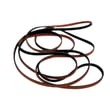
Using the exact model number prevents ordering the wrong items when parts look similar across Kenmore 110-series dryers. For example, common wear items like a drum belt 341241 can vary by length or design across models.
Tips to avoid mix-ups
- Write the model number exactly as shown (all digits, no spaces)
- Take a clear photo of the label before ordering parts
- Match the model number on the label to the one you’re searching (for this page: 11097573220)
Last updated: February 2026
What are the most common issues with 11097573220?
The most common problems we see with Kenmore gas dryer model 11097573220 are no heat or intermittent heat, long dry times, won’t start, and noisy tumbling. These issues usually trace to airflow restrictions, door/start switches, or normal wear parts in the drive and burner systems.
Most common symptoms and likely causes
- No heat or heat cuts out: weak gas valve coils, failed igniter, faulty radiant sensor
- Long dry times: clogged venting, lint buildup in the lint chute, damaged seals, slipping blower wheel
- Won’t start: door switch not closing, push-to-start switch failure, timer contacts
- Noisy operation: worn belt, idler pulley, drum support components
Fast checks you can do first
- Confirm strong airflow at the outside vent hood while running.
- Clean the lint screen and check for lint blockage in the lint chute area.
- Make sure the door closes firmly and the latch engages.
- Try a timed dry cycle to rule out a cycle setting issue.
Parts that often fix these problems on this model
| Problem | Part to check/replace | Example part on this model |
|---|---|---|
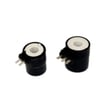
| No heat or intermittent heat | Gas valve coils | Dryer gas valve coil kit 279834 |
| No heat (ignition failure) | Igniter | Igniter 279311 |
| Won’t start when button is pressed | Start switch | Dryer push-to-start switch WP3395382 |
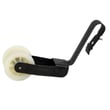
| Drum won’t turn or squeals | Belt and idler | Drum belt 341241 and dryer idler pulley WP691366 |
Why it matters
Gas dryers depend on correct airflow and reliable ignition. A restricted vent can cause long dry times and overheating, while weak gas valve coils can make heat drop out mid-cycle. Addressing the root cause protects the motor, thermostat, and burner system.
For electrical testing during diagnosis, we use a meter and follow safe practices; our guide how to use a multimeter to test electrical parts video helps you test switches and thermostats correctly.
Last updated: March 2026
What is the average lifespan of 11097573220?
A Kenmore gas dryer like model 11097573220 typically lasts 13 years with normal household use and routine maintenance (lint removal, proper venting, and avoiding overloads). Keeping airflow strong is the single biggest factor in reaching that lifespan.
What affects lifespan the most
- Vent restriction (long runs, crushed flex duct, clogged hood)
- Lint buildup in the lint chute and blower housing
- Overloading (stresses the drum support, belt, and motor)
- Heat system cycling issues (can overheat components)
- Worn drum support parts (rollers, shafts, seals)
Quick maintenance checklist (high impact)
- Clean the lint screen every load; wash it monthly to remove residue.
- Inspect and clean the full vent path at least yearly.
- Keep loads medium sized so the drum turns freely.
- Stop using the dryer if you smell gas; shut off gas and have a qualified technician check it.
Parts that commonly limit a dryer’s service life
These are wear items we often see replaced to keep a dryer running smoothly:
| Symptom | Common wear area | Example part on this model |
|---|---|---|
| Drum not turning, squealing | Belt and idler system | Drum belt 341241 |
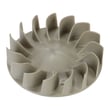
| Long dry times, weak airflow | Blower and lint path seals | Dryer blower wheel WP694089 |
| Runs but no heat | Gas ignition components | Dryer gas valve coil kit 279834 |
Why it matters
A dryer can run for years past its “average” lifespan, but restricted airflow and neglected wear parts raise heat and load on the motor and gas burner system. That shortens life and increases the chance of a no-heat or no-start failure.
Last updated: March 2026