Error Codes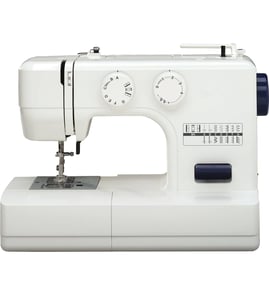

What does VX-810 stand for?
On a Brother VX-810 mechanical sewing machine, VX-810 is the model number Brother uses to identify that specific machine design and its compatible parts and accessories. It is not an acronym with a universal meaning; it is simply the product’s model identifier.
What “VX-810” tells you (and what it does not)
- It identifies the exact Brother sewing machine model for parts lookup and troubleshooting.
- It helps match compatible items like needles, bobbins, belts, and electrical components.
- It is used on model tags, packaging, and parts diagrams.
- It does not refer to chemicals, error codes, or a standardized industry abbreviation.
Where to find the model number on the machine
Most Brother mechanical sewing machines list the model number in one or more of these places:
- A label on the underside or back of the machine
- Near the power cord connection area
- On the original carton or purchase paperwork
- On the front housing near the brand badge (varies by revision)
Quick ID checklist (helps avoid ordering the wrong part)
| What to check | What it should show | Why it matters |
|---|---|---|
| Model number | VX-810 | Ensures parts compatibility |
| Brand | Brother | Confirms correct parts family |
| Machine type | Mechanical sewing machine | Guides troubleshooting steps |
Why it matters
Using the exact model number is the fastest way to get the right repair guidance and avoid mismatched parts. If your machine is acting up, our DIY troubleshooting content can narrow the cause before you replace anything.
Helpful DIY reference
If you’re seeing an error display on a Brother machine (common on electronic models), use Brother electronic error codes to interpret the code and the most likely fixes.
Last updated: February 2026
What is the Brother VX-810 sewing machine?
The Brother VX-810 is a mechanical sewing machine, meaning stitch selection and adjustments are made with dials and levers rather than a computerized display. It is designed for everyday home sewing tasks like basic seams, simple repairs, and common utility stitches.
What “mechanical” means on the VX-810
A mechanical machine like the Brother VX-810 typically focuses on straightforward operation and serviceable, hands-on controls.
- Stitch type is selected with a dial (no electronic stitch menu)
- Stitch length and width are adjusted manually (when the model supports it)
- Most functions are driven by gears, belts, and linkages
- Fewer electronic boards and sensors than computerized models
- Best fit for basic sewing, mending, and learning fundamentals
What it is not (common mix-ups)
The VX-810 is not the same type of product as Brother computerized models that advertise large stitch counts, LCD screens, or electronic error messages.
| Feature | VX-810 mechanical sewing machine | Computerized sewing machine |
|---|---|---|
| Stitch selection | Dial/lever | Buttons/LCD menu |
| Error codes | Uncommon | Common |
| Best for | Basics, repairs, utility sewing | Decorative stitches, automation |
Why it matters
Knowing the VX-810 is mechanical helps you troubleshoot correctly. Many issues come from threading, tension, needle choice, lint buildup, or a worn drive system, not from software or control boards.
Helpful troubleshooting resource
If you are seeing an error message on a different Brother model (typically electronic/computerized), use our Brother electronic error codes guide to match the code to the likely cause and fix.
Last updated: February 2026
What is the lifespan of a Brother sewing machine?
A Brother sewing machine like the VX-810 typically lasts 20 to 25 years with normal home use and basic upkeep (regular cleaning, correct oiling where applicable, and avoiding jams). Heavy use, skipped maintenance, and running with damaged needles can shorten that lifespan.
Typical lifespan ranges (what to expect)
Most home mechanical sewing machines fall into these ranges:
- Light use (occasional mending): 25+ years
- Regular home sewing (weekly projects): 20 to 25 years
- Heavy use (daily sewing, thick materials often): 10 to 20 years
- Neglected maintenance or frequent thread jams: 5 to 10 years
What affects lifespan the most
These are the biggest factors we see with Brother mechanical sewing machines:
- Lint buildup around the bobbin area and feed dogs (causes drag and timing stress)
- Running with a bent/dull needle (can damage hook area and cause skipped stitches)
- Incorrect threading or tension (leads to repeated jams and thread nests)
- Sewing very heavy fabrics without the right needle and speed control
- Old or stretched drive belt (slipping, sluggish running, inconsistent stitch formation)
Quick “health check” for your VX-810
Use this checklist to judge whether your machine is aging normally or needs service.
| What you notice | Most common cause | What to do first |
|---|---|---|
| Knocking or clunking while running | Debris, dry mechanism, worn parts | Clean lint; stop using if noise persists; inspect for rubbing |
| Motor runs but needle barely moves | Belt slipping or binding | Check for jams; test handwheel movement |
| Skipping stitches | Needle, threading, timing drift | Replace needle; rethread top and bobbin |
| Frequent thread breaks | Tension, burrs, wrong needle/thread | Reset tension; change needle; use quality thread |
Why it matters
A sewing machine usually does not “wear out” all at once; it loses performance gradually. Catching early signs (noise, sluggishness, skipped stitches) helps prevent damage to the hook, needle bar, and drive system, which are the parts that turn a small issue into a major repair.
Helpful DIY troubleshooting
For step-by-step symptom help, use our repair resources:
Last updated: February 2026