Owner’s manual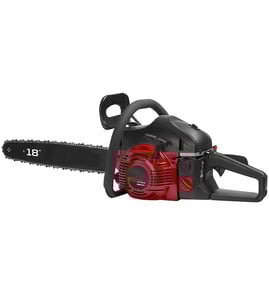




Is 40 1 or 50 1 better for chainsaws?
For the Craftsman 358381800 gas chainsaw, the better mix is the one specified in the fuel section of the owner's manual. In general, 50:1 runs cleaner (less smoke and plug fouling), while 40:1 adds more oil for extra lubrication in hot, heavy cutting.
Quick comparison: 40:1 vs 50:1
| Mix ratio | What it means | Pros | Cons | Best for |
|---|---|---|---|---|
| 40:1 | More oil in the gas | Extra lubrication margin | More smoke, more carbon, can foul spark plug | Hard use, hot weather, older saws, break-in practices |
| 50:1 | Less oil in the gas | Cleaner running, less deposits | Less lubrication margin if oil quality is poor | Most normal homeowner cutting with quality 2-cycle oil |
What we recommend for your 358381800
- Follow the manual’s ratio first; it is matched to the carburetor tuning and engine lubrication needs.
- Use fresh, ethanol-free fuel when possible and a high-quality 2-cycle oil rated for air-cooled engines.
- Mix accurately using a marked mixing bottle; “eyeballing” the oil is a common cause of smoking, plug fouling, or scoring.
- If you switch ratios, watch for changes in idle quality, acceleration, and smoke; correct mix and good fuel matter more than chasing a richer ratio.
Why it matters
Your fuel-to-oil ratio directly affects engine lubrication, combustion temperature, and carbon buildup. Too little oil risks piston and cylinder wear; too much oil can load up the muffler and spark arrestor screen, increase smoke, and reduce performance.
Related maintenance tips that prevent starting and running problems
- Keep the chain sharp and properly tensioned to reduce load on the engine.
- Use the correct bar and chain combination listed in the manual’s technical data.
- If the saw is hard to start after sitting, review tips for a hard to start chainsaw.
Last updated: February 2026
Where is the model number on my Craftsman chainsaw?
On the Craftsman 358381800 gas chainsaw, the model number is on the product and serial number plate on the saw body. In the operator diagram, this plate is identified as item 11; check the housing area near the handles and fuel or oil tank sections. See the owner's manual for the exact plate location and a labeled parts diagram.
Quick places to check on model 358381800
Look for a small plate or label (often metalized or durable sticker) in these common spots:
- On the rear handle area or just below it
- On the side of the main housing (engine/motor casing)
- Near the fuel tank or chain oil tank area
- Around the starter housing side
- Under the cylinder cover area (after it is removed)
How to confirm you found the right number
Write down the full model exactly as shown (including dots or spaces if present on the plate).
- Model number for this saw: 358.381800 (often printed as 358381800)
- Also record the serial number if it is listed
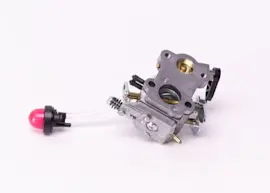
- Use the full model when selecting parts like a primer bulb, fuel filter, or carburetor
What the plate helps you match
| What you’re looking at | Why it matters |
|---|---|
| Model number | Ensures diagrams and parts lists match your exact saw configuration |
| Serial number | Helps confirm production variation when ordering certain assemblies |
Why it matters
Craftsman chainsaws can look similar across multiple model series, but parts like the chainsaw primer bulb 503936601 and chainsaw carburetor 531215501 must match the correct model listing to fit and function properly.
Last updated: February 2026
Is a 16 or 18 inch chainsaw better?
For a Craftsman 358381800 gas chainsaw, an 18-inch setup is the better match because the cutting equipment specs in the owner's manual list an 18-inch guide bar and compatible chain combinations. A 16-inch bar can be easier to handle, but you should only use bar and chain combinations recommended for this saw to maintain safety features and reduce kickback.
Quick pick: 16-inch vs 18-inch
- Choose 16-inch for lighter limbing, pruning, and overhead control (less fatigue, easier maneuvering).
- Choose 18-inch for faster bucking and cutting larger diameter wood (fewer passes, more reach).
- Match the chain to the bar: pitch, gauge, and drive link count must align.
- Prioritize kickback control: smaller bar tip radius and low-kickback chain designs reduce kickback risk.
- Keep the chain sharp and properly tensioned: a dull or slack chain increases effort and kickback risk.
What matters most on this model (358381800)
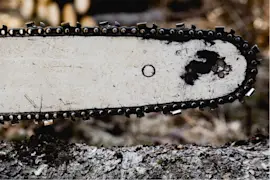
The bar length is only one piece of the system. On the 358381800, the manual emphasizes that the bar and chain must be a matched combination (pitch, gauge, drive links, and bar design features like oil holes and tensioner hole alignment). Using the recommended combinations helps preserve the saw’s intended safety performance.
Fit and safety checklist (bar and chain)
| Item to match | What it affects | What to do |
|---|---|---|
| Chain pitch | Sprocket and bar tip compatibility | Use the pitch specified for the recommended setup |
| Chain gauge (drive link width) | Bar groove fit | Match chain gauge to bar groove width |
| Drive link count | Proper chain length | Use the drive link count for the chosen bar length |
| Bar design (oil hole, tensioner hole) | Lubrication and tensioning | Use a bar designed for this saw |
Why it matters
An 18-inch bar can cut bigger wood, but it also increases the consequences of poor chain condition. The manual notes that keeping the chain sharp and using the correct cutting equipment reduces kickback effects, and worn bars or chains should be replaced with recommended combinations.
Last updated: February 2026