 Installation guide
 Owner’s manual
 Error Codes
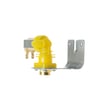


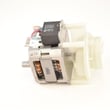
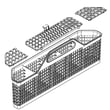

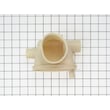
What is the most common problem with a GE dishwasher?
The most common issue we see with GE dishwashers like model GHDT168V55SS is a no-start or won’t-run complaint. In many cases, the dishwasher has power but will not begin a cycle because the door is not fully closed and latched, or the unit is not getting proper power.
Quick checks that fix many “won’t start” problems
- Press the door closed firmly until you feel the latch catch.
- Confirm the dishwasher is getting power (breaker on, outlet powered if it plugs in).
- Start a simple cycle (many models use a quick option like Rinse Only) and then press Start/Reset.
- Make sure the dishwasher is pushed in correctly and not binding on the cabinet (a misaligned unit can affect door closure).
- If the dishwasher was just installed, verify the installer completed the wet test steps in the installation guide.
What to check next (common causes)
If the quick checks do not help, these are the most common next areas to inspect:
- Door latch alignment: a slightly shifted dishwasher can prevent a solid latch.
- Control settings: cycle selection and Start/Reset sequence must be completed.
- Drain or fill issues: some dishwashers will stop if they cannot fill or drain properly.
- Installation interference: trapped wiring, water line, or drain hose behind the unit can keep it from seating correctly.
Symptom-to-cause guide
| What you notice | Most likely cause | What to do first |
|---|---|---|
| Lights on, won’t start | Door not fully latched | Re-close door; re-start cycle |
| Starts then stops quickly | Door not staying latched | Check alignment; re-level if needed |
| Hums but won’t run cycle | Drain/fill restriction | Check drain hose routing and kinks |
| No response at all | Power supply issue | Check breaker/outlet |
Why it matters
A dishwasher that is not centered, level, or fully latched can act like it has a control failure when the real issue is mechanical alignment. The installation steps for centering, leveling, and securing the unit help prevent false “won’t start” symptoms and reduce leaks and door rubbing.
For model-specific operating steps and cycle/start behavior, use the owner's manual.
Last updated: February 2026
What is the average lifespan of a GE dishwasher?
A GE dishwasher typically lasts about 10 years with normal household use. For your GE GHDT168V55SS, consistent cleaning, correct detergent use, and fixing small issues early (like leaks or draining problems) are the best ways to reach that lifespan; see the owner's manual for routine care guidance.
Typical lifespan and what affects it
Most GE dishwashers land in the 8 to 12 year range; the biggest factors are water quality, loading habits, and how well the wash system stays clear of debris.
- Hard water and heavy soil loads shorten component life
- Clogged filters reduce wash performance and strain the pump
- Leaks can damage wiring, insulation, and the motor area
- Overloading racks can wear rack parts and spray arm performance
- Skipping maintenance leads to odors, poor cleaning, and repeat clogs
Maintenance that helps you get the full 10 years
These steps prevent the most common wear issues (wash pump strain, poor circulation, and leaks).
- Clean the filter area regularly; replace a worn filter if it will not clean up well
- Check the door seal for flattening, tears, or gaps; replace if leaking
- Keep spray arm holes clear so water pressure stays strong
- Run hot water at the sink before starting a cycle (improves wash temperature)
- Use the right amount of detergent and rinse aid for your water conditions
Common parts that impact longevity (and when to consider replacement)
| Symptom | Likely area | Example part for GHDT168V55SS |
|---|---|---|
| Water leaking at the door | Door sealing | Dishwasher door seal WD08X10055 |
| Dishes gritty or food redeposits | Filtration | Dishwasher filter WD12X10109 |
| Not draining or slow drain | Drain system | Dishwasher drain pump WD26X10048 |
Why it matters
A dishwasher that is kept clean and leak-free runs with better water flow and less strain on the pump and drain system. That directly reduces breakdowns and helps your GE GHDT168V55SS reach its expected service life.
Last updated: February 2026
Is it worth repairing a GE dishwasher?
Yes, repairing your GE GHDT168V55SS dishwasher is usually worth it when the problem is isolated (leak, drain issue, poor cleaning) and the fix is a normal wear part; it typically costs less than replacement and avoids the time and disruption of a new installation. Use the owner's manual to confirm symptoms and operating checks.
When repair is the better choice
Repair makes sense when the dishwasher is otherwise in good shape and the issue matches common, fixable failures.
- The dishwasher leaks at the door; a worn gasket is a straightforward fix (see dishwasher door seal WD08X10055).
- It will not drain or drains slowly; a clogged filter or a weak drain pump is common.
- Dishes are not coming out clean; spray arm or filtration issues are typical.
- The unit is quiet and the tub is solid (no rust-through or major damage).
- The problem started suddenly after a jam, debris, or a power interruption.
When replacement is the better long-term move
Replacement is the practical choice when repairs stack up or the core systems are failing.
- Multiple breakdowns in a short period (repeat service calls)
- Major electrical or control problems plus other symptoms
- Persistent leaks not tied to a seal or hose connection
- Poor performance even after cleaning filters and spray components
- You need newer features or better efficiency than your current unit provides
Quick cost-to-benefit checklist
Use this simple comparison to decide.
| What you’re seeing | Typical direction | What to check first |
|---|---|---|
| Door-edge water on the floor | Repair | Inspect/clean gasket; replace dishwasher door seal WD08X10055 if torn or flattened |
| Standing water in the bottom | Repair | Clean filter; check drain path; consider dishwasher drain pump WD26X10048 if pump is weak |
| Poor wash results | Repair | Clean filter; check spray arm movement; inspect dishwasher spray arm WD22X10062 |
| Several unrelated failures | Replace | Add up recent repair costs and downtime |
Why it matters
A targeted repair on the GHDT168V55SS often restores normal washing and drying while keeping your kitchen setup unchanged. If you do replace the dishwasher, plan for installation time and fit; built-in units must be installed so they can be removed later for service (covered in the installation guide).
Last updated: February 2026
What are the commonly replaced parts in a dishwasher?
In a GE GHDT168V55SS dishwasher, the most commonly replaced parts are the ones that stop water from leaking, keep water moving and draining, and ensure proper spray coverage. Typical repeat replacements include door seals, filters, spray arms, drain components, and pump-related parts; confirm your exact part by diagram in the owner's manual.
Commonly replaced dishwasher parts (and what they do)
- Door seal: prevents leaks around the door opening
- Filters: catch food soil to protect the pump and improve cleaning
- Spray arms and related hardware: distribute wash water to both racks
- Drain pump and check valve: move dirty water out and help prevent backflow
- Fill components: help route incoming water into the tub
- Rack and basket hardware: handles, adjusters, and levers that wear or break with daily use
Common replacements available for GHDT168V55SS
| Symptom you notice | Part that often fixes it | Example part for this model |
|---|---|---|
| Water leaking at the door | Door seal | Dishwasher door seal WD08X10055 |
| Dishes not getting clean | Filter or spray arm issue | Dishwasher filter WD12X10109, dishwasher spray arm WD22X10062 |
| Dishwasher not draining | Drain pump or check valve | Dishwasher drain pump WD26X10048, dishwasher check valve WD01X10406 |
| Poor fill or odd fill behavior | Fill funnel or fill hose | Funnel WD49X25081, dishwasher fill hose WD24X10024 |
Quick checks before you order a part
- Make sure the drain hose is not kinked and is routed correctly (kinks can mimic a bad pump).
- Verify the incoming hot water temperature is 120°F to 150°F for best wash performance.
- If you see a leak, check whether it is under the dishwasher (hose/connection) or around the door (seal/alignment).
- If the door rubs the cabinet or hits the tub, leveling and alignment can stop leaks and improve closing.
- Clean the filter area and inspect spray arm holes for debris before replacing parts.
Why it matters
Replacing the right wear part restores cleaning and prevents water damage. For example, a worn door seal can cause leaks, while a clogged filter can reduce spray pressure and leave dishes dirty.
Last updated: February 2026





