Owner’s manual
 Error Codes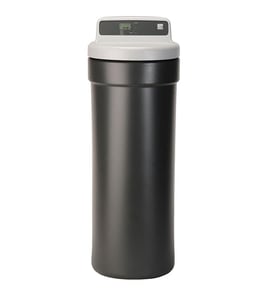


What is the life expectancy of a Kenmore water softener?
A Kenmore water softener like model 625388250 typically lasts 8 to 15 years. The resin bed often becomes less effective around 10 to 15 years, especially with high chlorine, iron, or heavy household water use; good maintenance helps you reach the upper end of that range.
Most “end of life” issues come from normal wear in the valve and resin system, not the cabinet.
- Resin media breaking down (reduced softening capacity)
- Valve seals and O-rings wearing (internal leakage, poor regeneration)
- Drive components wearing (motor, rotor/disc, position sensing)
- Nozzle/venturi clogging (weak brine draw)
- Brine system issues (float, brine tube restrictions)
These symptoms often show up more frequently as the unit ages.
| Symptom | What it often points to | Common next step |
|---|---|---|
| Hard water spots return quickly | Resin exhausted or settings off | Test hardness, adjust settings, consider resin service |
| Softener runs but water stays hard | Valve not cycling correctly | Inspect drive parts and valve seals |
| Low water pressure after regeneration | Valve leakage or restriction | Check seals, rotor/disc, venturi |
| Frequent salt use with little improvement | Inefficient regeneration | Clean venturi, verify programming |
We recommend these habits for the Kenmore 625388250 to keep performance steady year to year.
- Keep the salt level above the water line in the brine tank; break up salt bridges.
- Clean the nozzle and venturi if brine draw seems weak (common cause of “no soft water”).
- Verify timer settings after power outages and seasonal water-use changes.
- Address iron or sediment upstream (filtration) to protect resin and valve parts.
- Use the troubleshooting and care steps in the 625388250 owner’s manual.
A repair is usually worthwhile when the cabinet and tanks are sound and the problem is isolated to common wear parts.
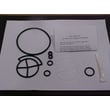
- If you have leaks or poor regeneration, the Kenmore water softener seal kit 7129716 is a common fix for valve sealing issues.
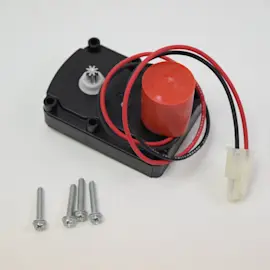
- If the unit stalls during cycles or won’t advance, the motor 7286039 is a common drive component to check.
A softener that is past its effective lifespan can waste salt and water, regenerate too often, and still leave hardness in your plumbing. Catching wear early helps protect fixtures, water heaters, and appliances from scale.
Last updated: February 2026
Is it worth replacing resin in a water softener?
Yes, it’s worth replacing resin in a Kenmore 625388250 water softener when the tank and valve are in good shape; new resin restores the ion-exchange bed that removes hardness minerals, so you get soft water again without replacing the whole unit. Use the 625388250 owner's manual to confirm the correct service steps after any major maintenance.
Resin is the “working media” inside the resin tank; when it’s fouled by iron, sediment, or age, the softener can regenerate but still deliver hard water.
Common signs resin replacement is the right move:
- Hard water spots even after a full recharge/regeneration cycle
- Higher salt use with little improvement in water feel
- Frequent need to clean the nozzle and venturi to keep brine moving
- Resin beads showing up in faucets (a sign of internal breakdown)
- The unit otherwise runs normally (display, motor, and valve cycles work)
Before you commit to resin, we recommend ruling out the most common brine and valve issues that mimic bad resin.
- Break up a salt bridge (don’t pound the tank; use a broom handle)
- Clean the nozzle and venturi so brine can be drawn during regeneration
- Verify the softener actually completes a recharge cycle
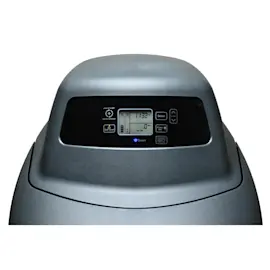
- Check for error codes on the faceplate display
- Inspect for valve wear or internal leakage if regeneration seems normal
If brine draw is weak or inconsistent, the water softener nozzle and venturi with gasket 7187772 is a common service item.
| Option | Typical result | Best when |
|---|---|---|
| Clean brine system (nozzle and venturi, salt issues) | Restores brine draw and regeneration | Softener is otherwise working but not softening |
| Replace resin | Restores hardness removal capacity | Softener regenerates correctly but water stays hard |
| Replace major valve components | Fixes mechanical wear and internal bypassing | You have leaks, sticking cycles, or repeated errors |
The manual explains that softening happens when hard water passes through thousands of resin beads that hold hardness minerals (ion exchange). During regeneration, brine cleans the resin bed so it can soften again. If the resin bed is worn out or fouled, regeneration won’t restore performance, so replacing resin can bring the softener back to normal operation.
Last updated: February 2026
Is it worth repairing a water softener?
Yes, repairing a Kenmore 625388250 water softener is worth it when the problem is in the valve or brine system and the cabinet and tanks are in good shape; common fixes like cleaning the nozzle and venturi or replacing a valve motor typically restore soft water at a much lower cost than replacement.
- Repair when you have no soft water but the unit still powers on and cycles.
- Repair when the issue is brine draw/regeneration performance (often nozzle and venturi related).
- Repair when you see leaks at the valve that point to worn seals.
- Replace when the resin tank is cracked or the unit has repeated major failures.
- Replace when repair cost approaches about half the price of a comparable new softener.
The manual highlights a few high-impact items that commonly cause hard water and are practical to service.
- Confirm the bypass is set to SERVICE (not bypass).
- Verify house plumbing is connected to the valve INLET correctly.
- Check the drain hose for kinks/sharp bends that restrict flow.
- Look for a salt bridge (a hard crust that prevents brine from forming).
- Clean the nozzle and venturi; a plugged venturi stops brine draw.
For step-by-step guidance and the troubleshooting checklist, use the 625388250 owner's manual.
| Symptom | Likely cause | Typical fix |
|---|---|---|
| No soft water after regeneration | Plugged nozzle and venturi | Clean venturi parts; replace if damaged |
| Unit stalls or will not advance cycles | Worn motor or position sensing issue | Replace motor or rotor position switch |
| Leaks at valve area | Worn seals/rotor components | Replace seal kit or rotor and disc |
Model-matched parts that often apply:
- Motor 7286039 (valve motor)
- Kenmore water softener seal kit 7129716 (valve seals)
- Water softener nozzle and venturi with gasket 7187772 (brine draw components)
A softener that is installed correctly and can draw brine during regeneration protects plumbing and water-using appliances from scale; restoring proper brine draw and valve operation usually brings back consistent soft water and normal salt usage.
Last updated: February 2026
How much does it cost to replace resin beads in a water softener?
For the Kenmore 625388250 water softener, replacing the resin beads (the resin bed inside the resin tank) typically costs about $250 to $900 for parts and supplies if you do it yourself, and about $700 to $1,800 when a technician does the job (labor varies by region and access). Use the 625388250 owner's manual to confirm the correct sanitizing and recharge steps after service.
Resin replacement is more than “just beads”; the job usually includes cleaning, sanitizing, and re-starting the softener so it can regenerate correctly.
Common cost items:
- Resin media (amount depends on tank size)
- Tank/distributor inspection and cleaning
- New seals or gaskets if the valve is opened
- Sanitizing the unit (bleach in the brinewell) and running a recharge cycle
- Disposal of old resin (time and mess factor)
| Scenario | Typical total cost | Best for |
|---|---|---|
| DIY resin replacement | $250 to $900 | Confident DIYers with basic plumbing skills |
| Technician resin replacement | $700 to $1,800 | Limited access, heavy tank, or time constraints |
| Replace the softener instead | $800 to $3,500 | Very old unit, multiple failing components |
Resin beads exchange hardness minerals during “service” and are cleaned during regeneration (recharge). When resin is worn or fouled, performance drops.
Watch for:
- Water feels hard again soon after regeneration
- Higher salt use with no improvement in softness
- Resin beads showing up in faucets (often tied to distributor issues)
- Frequent regenerations or inconsistent soft water
If you open the valve or have brine draw issues, these model-related parts are common fixes:
- Water softener resin 0502272 (replacement media)
- Water softener nozzle and venturi with gasket 7187772 (creates suction to draw brine)
- Kenmore water softener seal kit 7129716 (helps stop internal bypassing and leaks)
A healthy resin bed is what actually removes hardness minerals; regeneration only works if brine is drawn properly and the valve seals correctly. After any major service, sanitizing and running a full recharge helps clear air from the resin tank and prepares the resin bed for normal operation (as outlined in the manual).
Last updated: February 2026
Are water softener control valves interchangeable?
Some water softener control valves can be swapped, but they are not universally interchangeable. For Kenmore model 625388250, the safest approach is to match the valve design and internal components (rotor and disc, seals, nozzle and venturi, and electronics) shown in the 625388250 owner's manual so the unit maintains correct service and regeneration flow.
Control valves are only interchangeable when the replacement valve matches the softener’s:
- Plumbing connection style and size (inlet, outlet, drain)
- Metering method (turbine or other water meter style)
- Regeneration sequence and timing (cam, motor, position sensing)
- Internal porting and flow controls (venturi, flow plug, rotor and disc)
- Electrical setup (transformer voltage, timer/faceplate wiring)
If any of these differ, you can end up with no soft water, poor brine draw, leaks, or a softener that never returns to service.
This model uses a rotary valve system where the motor drives the rotor and disc through service and regeneration cycles, and a position switch confirms valve position. Before changing the entire valve, we recommend checking whether you only need a serviceable internal part.
Common valve-related parts that often solve the problem:
- Kenmore water softener seal kit 7129716 (leaks, internal bypass, poor sealing)
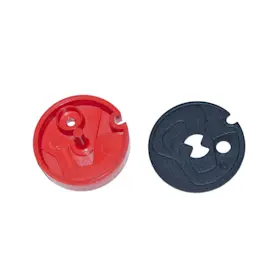
- Kenmore elite water softener rotor and disc 7199232 (won’t soften, stuck in cycle, flow issues)
- Water softener nozzle and venturi with gasket 7187772 (won’t draw brine, weak regeneration)
- Motor 7286039 (won’t advance through regeneration)
- Waterworks water softener rotor position switch 7030713 (stops in mid-cycle, timing/position errors)
| Option | Best when | Typical outcome |
|---|---|---|
| Repair internal valve parts | Leaks, weak softening, won’t regenerate, noisy drive | Restores correct operation while keeping original fit |
| Replace complete valve body | Cracked housing, severe wear, repeated internal failures | Restores operation but requires exact match |
The control valve directs water through the resin tank during service and reroutes flow during fill, backwash, and fast rinse. If the valve’s porting or controls do not match the 625388250 design, the softener can send hard water to the house or fail to regenerate properly.
For troubleshooting symptoms tied to valve operation and electronics, use Kenmore error codes.
Last updated: February 2026