



How much does it cost to repair a hydrostatic transmission on a lawn mower?
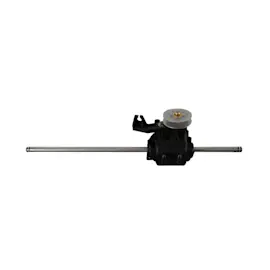
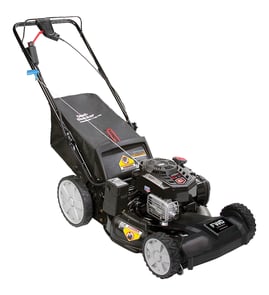
Hydrostatic transmission repairs typically run $300 to $1,300 for parts, and $800 to $2,500 total when a shop replaces the full transmission. On a Murray 961470003 walk-behind mower, most “won’t move” problems are usually belt, wheel, or drive hardware issues, not a hydrostatic unit.
What you are usually paying for
Hydrostatic costs vary because shops often replace assemblies instead of rebuilding them.
- Diagnosis and labor (pickup, teardown, reassembly)
- Transmission or transaxle assembly (largest cost driver)
- Drive system parts (belt, wheels, pawls, pinions)
- Fluids and seals (if serviceable)
- Related wear items found during inspection
Walk-behind vs. riding mower: cost reality
Most hydrostatic transmissions are found on riding mowers, where the transmission is a major, expensive assembly. Walk-behind self-propelled mowers more commonly use a belt-and-gear drive.
| Mower type | Common drive style | Typical repair approach | Typical total cost |
|---|---|---|---|
| Walk-behind self-propelled | Belt, gears, pawls | Replace belt, wheel parts, cables | $50 to $400 |
| Riding mower | Hydrostatic transaxle | Replace transaxle assembly | $800 to $2,500 |
Before you assume “hydrostatic failure”
If your Murray 961470003 will not move or self-propel, we recommend checking these common items first:
- Ground drive belt condition and tension; a worn belt can slip under load (see lawn mower ground drive belt, 3/8 x 32-1/2-in 532175436)
- Drive wheels and traction surfaces; worn wheels can lose grip (see lawn mower wheel 581009202 or lawn mower wheel 532400542)
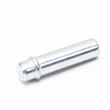
- Drive pawls and pinions; stripped teeth or stuck pawls stop drive (see drive pawl 532404845 and pinion 532403849)
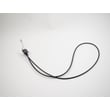
- Control cable adjustment; a stretched cable may not engage drive (see lawn mower engine zone control cable 532184588)
- Debris buildup around the drive area; grass and mud can bind moving parts
Why it matters
A full transmission replacement is one of the highest-cost mower repairs. Verifying belt, wheel, and drive hardware first often restores self-propel function for far less money and downtime.
Last updated: February 2026
How old is my lawn mower by serial number?
For a Murray rotary lawn mower model 961470003, the serial number and the engine identification label can both contain date information, but the format varies by production run and engine brand. We use the model and serial tag details to narrow the manufacturing timeframe and match the correct parts.
Where to find the serial number and date codes
Check these common spots; wipe off grass and oil so every character is readable:
- Mower deck (rear of deck, near discharge opening, or handle mount area)
- Rear flap or bagging opening area
- Engine shroud (engine model-type-code label)
- Blower housing or valve cover area (stamped code on some engines)
How to decode what you find
Many walk-behind mowers and small engines use one of these patterns:
- 6-digit calendar date such as MMDDYY (example: 051823 = May 18, 2023)
- Year-week formats such as YYWW or YYWWDD
- Letter + numbers where the letter identifies a plant/line and the numbers indicate a date sequence
Quick checklist we use
- Copy the serial number exactly (include letters and leading zeros).
- Look for separate markings like DOM, DATE, or a stamped code near the serial.
- Compare the mower tag information with the engine label; the two together help narrow the build window.
Why it matters
Murray mowers can have parts changes across production runs. Confirming the production timeframe helps us match the right drive, wheel, and blade hardware so fit and performance are correct.
Parts that can vary by production run (examples)
Use these as common checkpoints while you confirm the mower’s age:
| System | Common symptom | Example part to check |
|---|---|---|
| Self-propel drive | Mower will not move or slips | Lawn mower ground drive belt, 3/8 x 32-1/2-in 532175436 |
| Wheel/drive engagement | Clicking, wheel not grabbing | Drive pawl 532404845 |
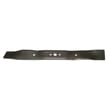
| Cutting performance | Ragged cut, vibration | Husqvarna lawn mower 21-in deck 3-in-1 blade 532189028 |
Helpful DIY guidance
- For safe blade inspection and removal steps, use our guide: lawn mower blade removal tool.
Last updated: February 2026
Why is my self-propelled lawn mower pulling to one side?
If your Murray 961470003 self-propelled mower pulls to one side, the most common causes are uneven wheel traction (tread wear, debris, or a dragging wheel) or a drive component on one side binding or slipping. Start with the wheels and axle area, then inspect the drive pawls and pinion.
Quick checks that fix most “pulling” problems
- Clean grass, mud, and stringy debris from both drive wheels and the axle ends.
- Compare rear wheel tread; a more-worn wheel can lose traction and steer the mower.
- Verify both rear wheels spin freely when the drive is disengaged.
- Check that the height adjusters are set to the same notch on both sides.
- Look for a bent wheel, loose hardware, or a wheel that wobbles on the axle.
Drive system items to inspect (common on self-propelled mowers)
On many walk-behind self-propelled designs, each rear wheel uses a pawl and gear to “grab” and drive. If one side is sticking, worn, or not engaging, the mower can veer.
- Inspect the wheel drive pawl for wear, sticking, or damage; replace if it does not move freely: drive pawl 532404845
- Check the drive gear/pinion teeth for rounding or skipping under load: pinion 532403849
- If the mower intermittently loses drive on one side, check for missing retainers or loose fasteners at the wheel hub (an E-ring or lock nut can let parts shift).
Symptom-to-cause guide
| What you notice | Most likely cause | What to do first |
|---|---|---|
| Pulls only when self-propel is engaged | One wheel drive not engaging evenly | Inspect/clean pawls and pinion; check wheel hub play |
| Pulls even when pushed (drive off) | Dragging wheel or bent axle area | Clean debris; confirm both wheels free-spin |
| Pulls worse on slopes | Traction difference side-to-side | Compare tread wear; match cutting height settings |
| Clicking/grinding from one wheel | Worn gear teeth or loose hub parts | Inspect pinion and wheel hub retainers |
Why it matters
A mower that pulls to one side is harder to control and usually indicates uneven traction or a drive-side bind. Fixing it early helps prevent accelerated wear on the wheel gears, belt drive, and axle components.
Last updated: February 2026