View engine

How much does it cost to replace a riding lawn mower engine?
For the Craftsman 502255030 riding lawn tractor, a full engine replacement typically runs about $260 to $1,800 installed, depending on the engine type, whether you choose new vs. rebuilt, and how much labor your shop charges. Most riding mower engine swaps take around 6 labor hours.
What drives the total price?
- Engine choice: new OEM-style, aftermarket, rebuilt, or used
- Labor rate: shop hourly rates vary widely by region
- Extra parts needed: fuel system, electrical, or mounting hardware often gets replaced at the same time
- Why the old engine failed: overheating, low oil, or fuel contamination can add cleanup work
- Pickup and delivery: some shops charge transport fees
Typical cost breakdown (installed)
| Cost item | Typical range | Notes |
|---|---|---|
| Engine (part only) | $200 to $1,400 | Biggest variable; depends on horsepower and brand family |
| Labor | $300 to $900 | Often ~6 hours for a riding mower |
| “While you’re in there” parts | $20 to $300 | Commonly fuel and starting system items |
| Total installed | $260 to $1,800 | Real-world range for many riding mowers |
Parts that commonly get replaced with an engine
If the engine failed due to fuel or starting issues, replacing these at the same time prevents repeat problems:
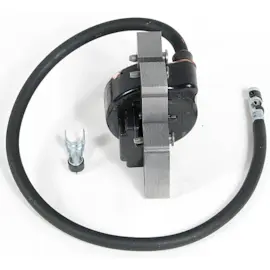
- Carburetor 632690 (fuel metering; common fix for hard-start and surging)
- Ignition switch 532365402 (no-crank or intermittent power to the starter circuit)
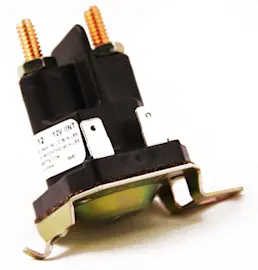
- Solenoid 7701100MA (single click, no crank symptoms)
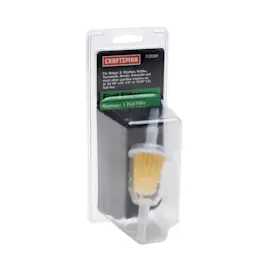
- Fresh fuel line, fuel filter, and spark plug (not model-specific parts listed here)
Why it matters
A replacement engine is a major investment. If the tractor is otherwise solid (deck, transmission, steering), an engine swap can extend the life of your Craftsman 502255030 for years. If multiple systems are worn, a tune-up and targeted repairs can be a better value than a full engine.
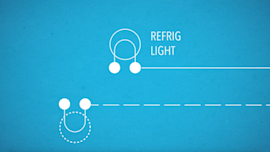
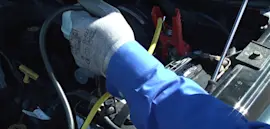
For no-crank or click-only symptoms, we use the steps in riding lawn mower engine clicks but doesnt turn over video to confirm whether the issue is the battery, solenoid, starter, or wiring before pricing an engine.
Last updated: February 2026
What engine does Craftsman riding mower use?
Craftsman riding mower model 502255030 uses a single-cylinder gasoline engine. Craftsman installed different engine makes and horsepower ratings across similar tractor platforms, so the correct way to identify your exact engine is by the engine model and code on the engine ID label under the hood.
How to identify the exact engine on model 502255030
Check the engine itself (not the tractor frame tag) for an ID label or stamped numbers:
- Blower housing (fan shroud) near the spark plug
- Valve cover area
- Near the starter mounting area
- Near the muffler or fuel tank
- A metal tag or printed label showing Model / Type / Code (common on Briggs & Stratton)
What to do with the engine ID once you find it
Use the engine model/type/code to match tune-up and fuel-system parts correctly:
- Fuel leaking or flooding: inspect the carburetor needle and seat; replace the needle seat 631021B
- Runs rough or surges: clean the bowl and check for varnish; the lawn & garden equipment engine carburetor float bowl 631951 is a common service item
- Clicks but will not crank: test battery connections and the start circuit; replace the solenoid 7701100MA if it fails testing
- No response when turning the key: check the key switch output; the ignition switch 532365402 is a common failure point
Quick reference: tractor model vs. engine model
| ID you’re using | Where you find it | What it’s used for |
|---|---|---|
| 502255030 | Tractor frame tag | Deck, chassis, steering, and tractor-specific parts |
| Engine model/type/code | Engine label or stamping | Engine parts (carburetor, ignition, starter, tune-up items) |
Why it matters
Ordering engine parts by the tractor model alone often leads to mismatches. Using the engine ID ensures the carburetor, ignition, and starting components fit your exact single-cylinder engine.
DIY help for a common symptom
- If you hear a click but the engine will not crank, follow riding lawn mower engine clicks but doesnt turn over video
Last updated: February 2026
What is the average lifespan of 502255030?
A Craftsman front-engine lawn tractor like model 502255030 typically lasts 10 to 15 years with normal residential use and consistent maintenance. Lifespan is driven most by engine care, deck/spindle wear, and keeping the starting and fuel systems in good working order.
What affects lifespan the most
- Oil and filter service on schedule; running low or dirty oil shortens engine life fast.
- Fuel quality and storage; stale fuel and varnish lead to carburetor problems.
- Deck load and mowing conditions; heavy, wet grass increases belt, spindle, and idler wear.
- Electrical starting health; weak connections can damage starting components over time.
- Rust and corrosion control; keeping the deck clean prevents premature deck housing damage.
Typical lifespan by use pattern
| Use pattern | What we see most often | What usually ends life first |
|---|---|---|
| Light (small yard, seasonal) | 12 to 15 years | Deck wear, tires, battery/starting issues |
| Moderate (weekly mowing) | 10 to 12 years | Spindles, idlers, steering wear |
| Heavy (large yard, tough terrain) | 7 to 10 years | Engine wear, deck housing, drivetrain wear |
Maintenance that adds the most years
- Change engine oil regularly and keep the cooling fins and air intake clear.
- Use fresh fuel; for storage, run the system dry or treat fuel to prevent varnish.
- Keep the deck clean and level; replace worn deck components before they damage the housing.
- Fix slow-crank or no-crank early; a failing starter circuit can cascade into bigger repairs.
If your tractor is hard to start or only clicks, checking the starting circuit and replacing a weak component like the solenoid 7701100MA is a common, high-impact repair.
Why it matters
Most “end of life” decisions come down to whether the tractor still starts reliably and cuts evenly. Staying ahead of fuel-system and starting-system wear usually costs less than recovering from a no-start or a neglected deck that begins vibrating and eating bearings.
Last updated: March 2026