 Installation guide
 Owner’s manual


What is the rough opening for a GE dishwasher?
For the GE GLD5604V00BB built-in dishwasher, the rough cabinet opening must be at least 24 inches wide, 24 inches deep, and approximately 34-1/2 inches high (floor to underside of the countertop). We recommend measuring your opening before installation using the installation guide.
Rough opening and clearance basics
Use these minimums to avoid fit and door-clearance problems:
- Opening: 24" W x 24" D x ~34-1/2" H
- Keep the enclosure area square and plumb so the tub seals evenly
- The floor should be level with the surrounding room floor
- In a corner install, allow 2" minimum clearance to adjacent cabinets or walls
- Allow 28-3/8" minimum clearance in front for the door to open
Quick reference table
| Measurement | Minimum | Where to measure |
|---|---|---|
| Width | 24" | Inside cabinet opening, left to right |
| Depth | 24" | From cabinet face to back wall |
| Height | ~34-1/2" | Floor to underside of countertop |
| Corner side clearance | 2" | Side of dishwasher to adjacent surface |
| Front door clearance | 28-3/8" | From front of unit outward |
Why it matters
Correct rough-opening dimensions help the dishwasher slide in without binding, keep the door from rubbing adjacent cabinetry, and reduce the chance of leaks caused by a twisted or uneven installation.
Installation tips we use in the field
- Measure in three spots (top, middle, bottom) for width and height; use the smallest number.
- Confirm the dishwasher will sit fully enclosed on top, sides, and back.
- Plan routing so the drain hose run is 10 ft. or less for proper drainage.
Last updated: February 2026
Is GE profile considered high end?
Yes. GE Profile is generally considered GE’s higher-end mainstream line, with more features and upgraded styling than standard GE models; it is a premium step up, but it is not the same tier as true luxury appliance lines.
How this relates to your GE GLD5604V00BB dishwasher
GE Profile is a product line, while GLD5604V00BB is a specific GE dishwasher model. The best way to confirm what feature set your exact dishwasher has (cycles, options, electrical requirements, and installation details) is to use the documentation for your model.
- Use the owner's manual to compare cycles, options, and care recommendations
- Use the installation guide to confirm installation requirements and service clearances
- Compare your control panel features to what the manual lists (that is the most reliable “tier” indicator)
- If you are evaluating upgrades, focus on features you will use (drying, noise level, wash options)
What “high end” usually means in dishwashers
In practical terms, “high end” usually comes down to a few measurable things.
| What you compare | Mainstream upgrade (often Profile-level) | Luxury-tier expectation |
|---|---|---|
| Wash options | More cycles and targeted options | Highly specialized programs and sensors |
| Noise | Quieter than basic models | Ultra-quiet designs |
| Drying | Improved drying features | Premium drying systems |
| Controls | More advanced electronic controls | Advanced UI plus premium build |
Why it matters
When you are deciding whether a line is “high end,” it helps to tie it back to ownership outcomes: cleaning performance, drying results, noise, and long-term serviceability. For GLD5604V00BB, the installation instructions also stress leaving the unit installable for future removal and service, which is important regardless of tier.
Last updated: February 2026
What is the most common problem with a GE dishwasher?
The most common issues we see on a GE dishwasher like model GLD5604V00BB are draining problems (water left in the tub) and won’t start symptoms caused by a door-latch/door-switch problem, a clogged filter, or a control setting. Use the GLD5604V00BB owner's manual for the exact checks and cycle behavior.
Most common symptoms and what they usually mean
- Water left in the bottom: drain path restriction (filter, hose, air gap, disposer inlet) or a weak drain pump
- Has power but won’t run: door not fully latched, failed door switch, or control lock
- Poor cleaning: clogged filter, spray arm blockage, low water temperature, or loading issues
- Leaks at the door: worn door seal or tub gasket
- Stops mid-cycle: overheating protection trip or intermittent electrical connection
Quick checks we recommend first (fast, no parts)
- Confirm incoming hot water is hot enough: GE installation guidance calls for 120°F to 150°F, with 120°F minimum for best wash performance.
- Clean the filter area: remove debris and rinse the filter screens.
- Verify the door closes firmly: a slight misalignment can prevent the unit from starting.
- Check the drain connection: make sure the drain hose is not kinked and the sink/disposer connection is clear.
- Run a test wash after cleaning: listen for drain pump operation at the end of the cycle.
Common parts involved (when cleaning and checks don’t fix it)
| Problem you notice | Most likely part area | Example part for GLD5604V00BB |
|---|---|---|
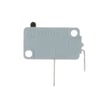
| Won’t start, acts “dead” when door closes | Door latch/switch circuit | Dishwasher door switch WD21X10224 |
| Not draining or drains slowly | Drain pump or restriction | Dishwasher drain pump WD26X10046 |
| Poor wash, food redeposits | Filter system | Dishwasher filter WD22X10077 |
| Drips or leaks around the door | Door seal/gasket | Dishwasher tub gasket WD08X10018 |
Why it matters
Drain and start problems are the most common because they are tied to normal wear items (filters, seals) and “must-pass” safety interlocks (door latch and door switch). Catching them early prevents repeat cycle failures, odors, and water damage.
For model-specific installation-related causes (kinks, rubbing lines, door alignment), use the installation guide.
Last updated: February 2026
Is it worth repairing a GE dishwasher?
Yes, repairing a GE dishwasher like model GLD5604V00BB is worth it when the problem is a single, fixable failure (leak, no-drain, won’t start) and the total repair cost stays well below the price of a replacement. If multiple major issues stack up, replacement is the better value.
A simple repair-vs-replace checklist
We use these practical rules for most dishwashers:
- Age: Under 10 years old is typically worth repairing; over 10 years old depends on condition and repair history.
- Repair cost: If the repair is under ~50% of replacement cost, repair usually makes sense.
- Failure type: One clear failure (pump, valve, door switch, seal) is a good repair candidate.
- Repeat breakdowns: Frequent service calls point toward replacement.
- Leak risk: If the tub or multiple seals are compromised, costs can climb quickly.
For model-specific operating and care guidance, check the GLD5604V00BB installation guide.
Common “worth repairing” problems on GLD5604V00BB
These are typical, straightforward repairs when symptoms match:
- Won’t start or stops mid-cycle: door latch/switch issues; consider dishwasher door switch WD21X10224 or dishwasher door latch actuator WD13X10045.
- Not draining: clogs or a failing pump; consider dishwasher drain pump WD26X10046.
- Leaking at the door: worn seals; consider dishwasher tub gasket WD08X10018 and dishwasher door seal, lower WD08X10059.
- Poor cleaning: restricted filtration or spray issues; consider dishwasher filter WD22X10077 or dishwasher spray arm WD22X10062.
Cost and complexity at a glance
| Situation | Typical effort | Usually worth it? |
|---|---|---|
| Door won’t latch / won’t start | Low | Yes |
| Not draining (pump or blockage) | Medium | Yes |
| Door leak (seal/gasket) | Low to medium | Yes |
| Multiple symptoms (leak + no-drain + control issues) | High | No |
Why it matters
A dishwasher repair is a good investment when it restores reliable washing and drying without turning into a chain of parts replacements. Keeping the repair focused on the root cause protects you from spending replacement-level money on an older unit.
Last updated: February 2026
What is the average lifespan of a GE dishwasher?
A GE dishwasher typically lasts 10 to 15 years, with an average around 12 years when it is installed correctly, run with proper water temperature, and kept clean. For your GE GLD5604V00BB, consistent maintenance and quick fixes for leaks or draining issues help you reach the high end of that range.
Typical lifespan and what changes it
- Light use (few loads/week): often closer to 12 to 15 years
- Heavy use (daily loads): often closer to 8 to 12 years
- Hard water and heavy soil: can shorten life if filters and spray arms are not maintained
- Overheating events: can stress components like the high-limit thermostat
- Leaks left uncorrected: can damage wiring, insulation, and the door area over time
Maintenance that most extends dishwasher life
We see the biggest lifespan gains from these habits:
- Keep the filter area clean; a clogged filter strains the pump and reduces cleaning
- Use rinse aid and the correct detergent amount to reduce residue buildup
- Run hot water at the sink before starting; many built-in installs call for 120°F to 150°F incoming water for best performance
- Inspect the door sealing surfaces and wipe them regularly
- Address slow draining quickly to avoid pump wear
Parts that commonly affect longevity (and symptoms)
| Symptom | Common area to check | Example part for GLD5604V00BB |
|---|---|---|
| Water on floor at the door | Door seals and tub gasket | Dishwasher tub gasket WD08X10018 |
| Won’t start or stops mid-cycle | Door latch and door switch | Dishwasher door switch WD21X10224 |
| Not draining well | Drain path and drain pump | Dishwasher drain pump WD26X10046 |
| Poor cleaning | Filters and spray arms | Dishwasher filter WD22X10077 |
Why it matters
A dishwasher near the end of its lifespan often shows up as longer cycle times, weaker wash action, or intermittent starting. Catching small issues early (especially leaks and drainage problems) usually prevents bigger failures and helps you get the full service life from your GE GLD5604V00BB.
For model-specific care and operating guidance, follow the cleaning and use recommendations in the GLD5604V00BB owner's manual.
Last updated: February 2026





