How do you tell what year a Murray riding mower is?
To tell what year a Murray riding mower is, we use the identification tag (data tag) on the tractor and decode the date code or serial number format shown there. For the Murray model 46209X9B, the tag is the fastest way to narrow the build year.
Where to find the data tag on a Murray riding mower
On most Murray front-engine riding mowers and lawn tractors, the data tag is typically located in one of these spots:
- Under the seat pan (lift the seat)
- On the rear fender or frame near the seat
- On the left or right frame rail near the engine
- Near the footrest area on the chassis
- Under the hood area on the frame (less common)
What to look for on the tag
Once you find the tag, copy the information exactly as printed. Common fields include:
- Model number (example: 46209X9B)
- Serial number
- Date code (often labeled “Date Code”)
- Engine model and type (engine has its own tag)
Quick decode guide (common Murray format)
Many Murray tags include a 4-digit date code that can be interpreted as:
| Tag item | What it usually means | Example interpretation |
|---|---|---|
| Date code (4 digits) | Year and week of production | YYWW (year, then week) |
| Serial number | Production sequence; sometimes embeds date | Format varies by era |
| Engine date | Engine build date, not always mower build date | Use as a cross-check |
How to confirm the year when the code is unclear
If the tag does not clearly show a date code, we confirm the year by matching multiple clues:
- Compare the full model number and serial number together
- Check the engine tag date and treat it as a “built no earlier than” reference
- Match the tractor’s deck size, frame style, and electrical layout to the correct parts diagrams
- Use the model number search to pull the correct parts list for your exact tractor
A reliable next step is to verify you are reading the correct model tag by using how to find your appliance model number (and what it means for parts).
Why it matters
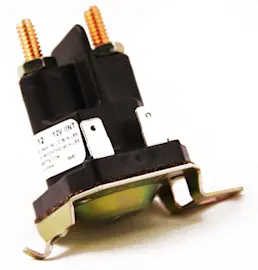
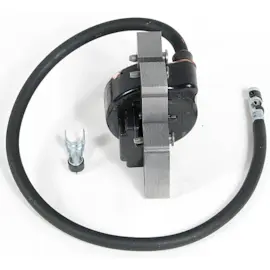
The build year affects parts compatibility for common wear items like the mower deck belt, blades, spindle assemblies, ignition switch, starter solenoid, and battery cables. Getting the year right helps you avoid ordering the wrong replacement part.
Last updated: February 2026
What motor is in a Murray riding mower?
For the Murray riding mower model 46209X9B, the exact engine (motor) depends on the specific build and any prior engine swaps; most Murray front-engine riding mowers in this class commonly use a Briggs & Stratton single-cylinder OHV gasoline engine in the ~500cc, ~17.5 HP range.
How to identify the engine on your 46209X9B
Use the engine’s ID tag, not the mower model number. On most Briggs & Stratton engines, the tag is on the valve cover, blower housing, or near the starter.
- Look for Model / Type / Code stamped on the engine label
- Write the numbers exactly as shown (letters matter)
- Check for signs of an engine replacement (non-original mounts, wiring splices, different muffler)
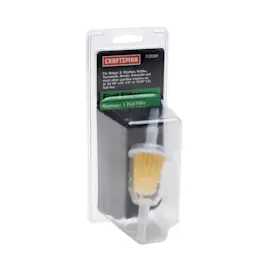
- Match the engine ID when ordering tune-up parts (air filter, spark plug, fuel filter)
- Use a flashlight and wipe the tag clean before recording it
Common engine types you’ll see on Murray front-engine riders
These are the most typical configurations for Murray riders similar to the 46209X9B.
| Engine family (common) | What it means | Typical use |
|---|---|---|
| Briggs & Stratton OHV single-cylinder | Overhead valve design; good torque for mowing | 42-inch class riders |
| 1-cylinder gasoline, air-cooled | Standard riding mower layout | General residential mowing |
| ~500cc range | Displacement class often paired with ~17 to 18 HP ratings | Thick grass, moderate hills |
Why it matters
The mower model 46209X9B helps us find chassis and deck-related parts, but the engine model/type/code is what ensures you get the correct ignition parts, carburetor parts, gaskets, and filters for your specific motor.
Helpful DIY reference
If you need help confirming the correct model number before ordering parts, use: how to find your appliance model number (and what it means for parts).
Last updated: February 2026
What is the average lifespan of 46209X9B?
A Murray 46209X9B front-engine lawn tractor typically lasts 10 to 15 years with normal residential use and consistent maintenance (oil changes, blade care, belt inspections, and clean fuel practices). Heavy mowing, hills, and poor storage shorten lifespan; routine upkeep extends it.
What most affects lifespan on a riding mower
- Engine maintenance: regular oil and air filter service prevents accelerated wear.
- Deck and blade condition: dull blades strain the engine and spindles.
- Drive system wear: belts, idlers, and pulleys wear faster with heavy loads.
- Fuel quality and storage: old fuel and moisture cause hard starting and carburetor issues.
- Operating conditions: steep slopes, dusty mowing, and towing reduce service life.
Maintenance schedule that supports a 10 to 15 year lifespan
| Task | Typical interval | Why it matters |
|---|---|---|
| Check engine oil level | Every mow | Prevents low-oil damage |
| Change engine oil | Every 25 to 50 hours | Reduces internal wear |
| Clean/replace air filter | Every 25 hours (dusty areas sooner) | Protects engine from grit |
| Sharpen/replace blades | 1 to 2 times per season | Reduces strain, improves cut |
| Inspect deck belt and idlers | Monthly in season | Prevents sudden belt failure |
| Clean grass buildup under deck | As needed | Prevents corrosion and poor airflow |
Signs your 46209X9B is nearing end-of-life (or needs major service)
- Persistent hard starting even with fresh fuel and a good battery
- Blue smoke or heavy oil consumption
- Loss of power under load (thick grass) after tune-up items are addressed
- Repeated belt throwing, vibration, or noisy spindles
- Excessive steering play or uneven cutting that returns quickly after adjustment
Why it matters
Knowing the typical lifespan helps you decide whether to invest in repairs (battery, belts, blades, spindles) or plan for replacement. On a mower in the 10 to 15 year range, catching wear early usually prevents bigger failures mid-season.
For help confirming you have the exact model before ordering parts, use [how to find your appliance model number (and what it means for parts)].
Last updated: March 2026