Owner’s manual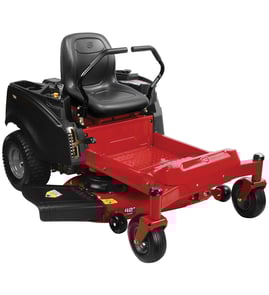



Who makes the longest lasting riding lawn mower?
The longest-lasting riding lawn mowers are typically built by brands with heavy-duty frames, proven engines, and strong dealer parts support; in real-world use, Husqvarna, Toro, and John Deere are common “long life” picks when they are maintained correctly. For your Husqvarna model 28982, following the maintenance schedule in the 28982 owner's manual is what most directly determines lifespan.
What “longest lasting” really depends on
A mower lasts longest when the design matches the workload and the owner keeps up with routine service.
- Build class: residential vs. prosumer vs. commercial-duty
- Engine and cooling: clean fins, correct oil, correct fuel
- Drive system: belt condition and correct tension
- Deck care: clean underside, avoid impacts, keep blades balanced
- Storage: dry storage, stabilized fuel during off-season
Brand comparison (what to look for)
Use this as a quick shopping checklist when comparing riding mowers.
| What matters most | What to look for | Why it helps longevity |
|---|---|---|
| Frame and chassis | thicker steel, fewer flex points | reduces cracking and alignment issues |
| Parts availability | common wear parts stocked | faster repairs, less downtime |
| Deck durability | reinforced deck, good spindle support | fewer deck and spindle failures |
| Serviceability | easy belt access, clear routing | encourages proper maintenance |
Maintenance habits that add years
These are the same habits we recommend for the Husqvarna 28982 and most riding mowers.
- Change engine oil and filter on schedule
- Replace worn belts before they slip or glaze (ground drive and blade drive)
- Keep battery terminals clean and tight; check starting circuit connections
- Grease and inspect moving points; tighten loose hardware
- Clean grass buildup from the deck and around the engine after mowing
Common “wear parts” that affect reliability
If starting or blade engagement becomes inconsistent, these parts are frequent culprits:
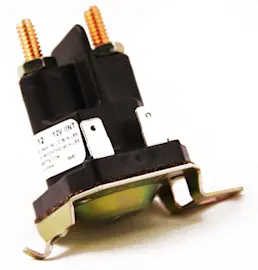
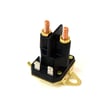
- Lawn tractor starter solenoid 582042802 (no-crank or intermittent crank)
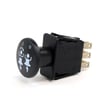
- Lawn tractor pto switch 582107601 (blades will not engage or cut out)
Why it matters
Choosing a durable brand helps, but the biggest difference between a mower that lasts 5 years and one that lasts 15 years is usually maintenance, correct belt routing/tension, and fixing small issues (like weak starting or slipping drive) before they damage bigger components.
Last updated: January 2026
What is the difference between a front engine and rear engine riding mower?
A front-engine riding mower puts the engine under the hood in front of the driver, while a rear-engine riding mower (like the Husqvarna 28982) mounts the engine behind the seat. Rear-engine designs are typically more compact and maneuverable; front-engine designs usually offer more attachment options and heavier-duty capability.
Quick comparison
| Feature | Front-engine riding mower | Rear-engine riding mower (Husqvarna 28982 style) |
|---|---|---|
| Engine location | In front of operator | Behind operator |
| Typical best use | Larger yards, more towing and attachments | Smaller to mid-size yards, tighter turns |
| Steering feel | More like a small tractor | More nimble, shorter wheelbase |
| Service access | Hood access to engine | Seat/rear access to engine |
What you will notice in real use
- Turning and maneuvering: Rear-engine mowers usually turn tighter and feel easier around trees and landscaping.
- Traction and balance: Front-engine models often feel more planted for towing because more weight sits over the drive wheels on many tractor-style layouts.
- Deck and drive layout: Rear-engine units commonly use a simpler, compact belt path; front-engine tractors may have more complex routing depending on deck size and attachments.
- Comfort and features: Front-engine tractors more often include larger seats, more storage, and more accessory support.
Why it matters
Choosing between front-engine and rear-engine designs affects how the mower fits your yard and how you maintain it. For the Husqvarna 28982 rear-engine platform, compact size and maneuverability are usually the biggest advantages, while front-engine tractors are typically the better choice when you need frequent towing or multiple attachments.
Maintenance tip for either style
If the mower will not crank or the starter only clicks, the starting circuit is a common place to begin diagnosis. On this model, a common electrical wear item is the lawn tractor starter solenoid 582042802. For model-specific safety steps and service points, follow the Husqvarna 28982 owner's manual.
Last updated: January 2026
How wide is a 42 in riding lawn mower?
A “42-inch riding lawn mower” refers to a 42-inch cutting width (deck size), not the overall machine width. Most 42-inch deck riders measure about 45 to 55 inches wide overall, depending on tire size and whether the discharge chute is installed; confirm your exact width in the Husqvarna 28982 owner's manual.
What “42-inch” actually means
A 42-inch mower is sized by the mower deck cutting path. The overall width is usually wider because of:
- Rear tires and wheel track
- Deck shell overhang
- Side discharge chute (often the widest point)
- Anti-scalp wheels and deck brackets
Typical overall width ranges (what to expect)
These ranges cover most rear-engine riders and lawn tractors with a 42-inch deck.
| Configuration | Typical overall width |
|---|---|
| Chute removed or folded (if applicable) | 45 to 50 in |
| Chute installed (most common) | 50 to 55 in |
| Tightest storage width (varies by model) | 45 to 52 in |
How to measure width the right way
Use a tape measure and check the widest point.
- Park on level ground, engine off, key removed
- Measure outside-to-outside at the widest point
- Include the discharge chute if you mow with it installed
- If you store it in a shed, measure the doorway clearance too
Why it matters
Overall width determines whether your mower fits through gates, shed doors, and trailer ramps. It also helps when choosing accessories and planning safe transport.
Last updated: January 2026