Owner’s manual
 Error Codes


What size is Kenmore refrigerator model 79568272900?
For Kenmore bottom-mount refrigerator model 79568272900, the exact exterior dimensions vary by the specific 795.6827*k version (color code) and door style, but most units in this series are about 33 inches wide, 31 to 34 inches deep, and 67 to 70 inches tall. For the exact measurements for your unit, use the 79568272900 owner's manual.
How to get the exact dimensions for your refrigerator
We recommend confirming size from the model’s documentation and then measuring your installed unit (handles and door swing can change what fits).
- Check the “Refrigerator Installation” section in the 79568272900 owner's manual
- Measure width at the widest point (often the doors)
- Measure depth two ways: cabinet-only and with handles
- Measure height from floor to top hinge cover
- Allow clearance for door opening and airflow behind the unit
Typical size ranges (what most owners see)
These are common ranges for Kenmore 795-series bottom-freezer refrigerators and help with planning when you do not have the spec page in front of you.
| Measurement | Typical range | What can change it |
|---|---|---|
| Width | ~33 in. | door design, trim |
| Depth | ~31 to 34 in. | handles, door thickness |
| Height | ~67 to 70 in. | leveling legs, hinge cover |
Why it matters (fit, airflow, and door clearance)
Correct sizing prevents installation headaches like doors hitting cabinets, poor air circulation, and difficulty removing the freezer drawer. The manual also notes that if an entrance is less than 35 inches wide, the doors and freezer drawer may need to be removed for moving the refrigerator into place.
Related help
If you’re troubleshooting display messages while setting up or after moving the refrigerator, use Kenmore 795 model bottom freezer refrigerator error codes.
Last updated: January 2026
What's the lifespan of a bottom freezer fridge?
A bottom-freezer refrigerator typically lasts about 13 years with normal household use and basic maintenance. For your Kenmore 79568272900, keeping airflow clear, cleaning condenser coils, and maintaining good door sealing are the biggest factors that help it reach that expected lifespan.
Typical lifespan and what affects it
Most bottom-mount (bottom-freezer) refrigerators land in a similar range, but real-world life depends on usage and care.
- Typical lifespan: ~13 years
- Heavy use or poor ventilation: can shorten life
- Good maintenance and stable temperatures: can extend life
- Door seal condition: affects compressor run time and wear
- Dusty environments or pets: increase coil cleaning needs
Quick maintenance checklist (high impact)
These steps help reduce compressor strain and temperature swings.
- Keep vents clear inside the refrigerator and freezer so air can circulate properly (blocked vents cause temperature and moisture problems).
- Clean condenser coils regularly (dust buildup makes the system work harder).
- Make sure doors close fully and stay aligned; adjust if gaps appear.
- Keep gaskets clean and pliable; wipe the door liner and gaskets during routine cleaning.
- Avoid overpacking; it restricts airflow and can create warm spots.
What “end of life” usually looks like
If you are deciding whether to repair or replace, these symptoms often show up late in a refrigerator’s life.
| Symptom | Common cause | Typical next step |
|---|---|---|
| Warm fridge or freezer | Sealed system issue, airflow issue | Diagnose airflow first; then consider sealed system service |
| Loud clicking, won’t start | Start relay or compressor problem | Test/replace start relay; evaluate compressor |
| Frost buildup, poor cooling | Defrost system problem | Check defrost heater/sensor and airflow |
| Water pooling | Drain restriction | Clear/repair drain tube |
Why it matters
A refrigerator that is running longer than necessary (from dirty coils, poor airflow, or a leaking door seal) puts extra load on the compressor and can shorten overall lifespan. The care and cleaning guidance in the 79568272900 owner's manual supports these maintenance habits.
Last updated: January 2026
Why is my Kenmore refrigerator leaking underneath?
Water under a Kenmore refrigerator model 79568272900 is most often caused by defrost water not draining correctly (a clogged or frozen drain) or by water collecting and spilling from the drain pan during the defrost cycle. Use the steps below to pinpoint the source and stop the leak.
Quick checks that solve most “leaking underneath” complaints
- Look for a sheet of ice or standing water on the freezer floor; that points to a blocked defrost drain.
- Check the drain pan underneath for cracks, misalignment, or overflow.
- If you have an ice maker or water dispenser, inspect the 1/4-inch water line connections for slow drips.
- Make sure the refrigerator is level so water flows to the drain correctly.
- Confirm the doors close fully; warm air can increase frost and overwhelm the drain.
Step-by-step: clear a clogged or frozen defrost drain
- Unplug the refrigerator.
- Remove freezer contents as needed to access the rear bottom area where meltwater drains.
- Melt any visible ice with warm water (not boiling) and clear debris from the drain opening.
- Flush the drain with warm water until it flows freely to the drain pan.
- If the drain tube is damaged or won’t stay clear, replace it with the correct part for this model: refrigerator drain tube 5251JA3003D.
If the leak is from the water supply line (ice maker/dispenser models)
The manual notes that water line installation and loose connections can lead to leakage. Use this checklist:
| What to check | What you’re looking for | What to do |
|---|---|---|
| Compression nut and ferrule | Moisture at the fitting | Tighten carefully; do not overtighten |
| Tubing condition | Kinks, cracks, rubbing/vibration | Replace tubing; secure it so it doesn’t vibrate |
| Shutoff valve area | Drips at the valve | Tighten/repair the valve connection |
For model-specific guidance on water line connections and leak prevention, follow the 79568272900 owner's manual.
Why it matters
Leaks underneath can damage flooring and also signal airflow or defrost-drain problems that lead to ice buildup, warm temperatures, and poor cooling performance.
Last updated: January 2026
Can I replace fridge parts myself?
Yes. On the Kenmore 79568272900 bottom-mount refrigerator, many “bolt-on” items (drawers, some door hardware, light-related parts, and gaskets) are realistic DIY repairs if you unplug the refrigerator first and follow the safety steps in the 79568272900 owner's manual. For sealed-system work (compressor, refrigerant lines), use a qualified technician.
Good DIY replacements vs. pro-only repairs
Here’s a practical way to decide what you can handle.
- DIY-friendly: door switch, door hinge bushing, door gaskets, drawers and covers, light shield access and bulb replacement
- Usually pro-only: compressor replacement, evaporator replacement, sealed-system leaks, refrigerant charging
- DIY with extra care: defrost heater, defrost sensor, evaporator fan motor (requires panel removal and careful reassembly)
| Repair type | Typical difficulty | Why it matters |
|---|---|---|
| Door and drawer parts | Low | Restores fit, sealing, and usability quickly |
| Airflow/defrost parts | Medium | Prevents warm temps, frost buildup, and fan noise |
| Sealed system (compressor/evaporator) | High | Requires specialized tools and training |
Safety steps we recommend before any repair
The manual emphasizes electrical-shock and injury prevention. Use these basics every time.
- Unplug the refrigerator (do not pull the cord; pull the plug)
- Turn off power at the breaker if the outlet is not accessible
- Remove food and door bins before door or hinge work
- Keep fingers clear of door “pinch point” areas
- Do not let children climb or hang on doors or shelves
- Use the right tools (Phillips screwdriver, flat screwdriver, socket wrench) for hinge and door work
Parts that commonly solve “simple” problems
If your issue matches one of these symptoms, a targeted part swap is often the fastest fix.
- Interior light stays off or acts erratic: check the lg refrigerator door switch 6600JB1010A
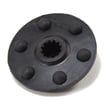
- Door sagging or rubbing: inspect the refrigerator door hinge bushing 4984JJ3003A
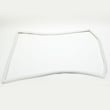
- Warm air leaks, frost, or sweating around the door: consider the refrigerator gasket assembly ADX73350925
Why it matters
DIY repairs can save time and money, but the refrigerator still has live electrical circuits and heavy doors. Following the manual’s unplug-first guidance helps prevent shock, broken parts, and alignment problems after reassembly.
Last updated: January 2026