Owner’s manual


What is the average life of a Kenmore dryer?
Most Kenmore electric dryers like model 11060212990 last 10 to 13 years on average. With consistent lint and vent maintenance and reasonable loads, it’s common to see longer service life because airflow and heat control stay closer to design conditions (see the 11060212990 owner's manual).
What affects dryer lifespan the most
- Vent airflow: restricted venting makes the heater and thermostats run hotter and longer.
- Lint buildup: lint in the exhaust path reduces drying performance and stresses components.
- Load size: chronic overloading strains the drum belt, idler pulley, and motor.
- Heat cycling: frequent overheating can shorten the life of the heating element and thermal cut-offs.
- Routine care: simple cleaning and inspection prevents many “no heat” and “long dry time” complaints.
Maintenance schedule we recommend
The manual calls out vent cleaning steps and notes that lint can accumulate inside the dryer; it also recommends periodic internal lint removal by a qualified service person.
| Task | How often | Why it matters |
|---|---|---|
| Clean lint screen | Every load | Keeps airflow strong and drying times normal |
| Inspect and clean exhaust vent to the hood | Every 6 to 12 months | Reduces overheating and improves efficiency |
| Internal lint removal (inside cabinet) | Every 2 to 3 years | Helps prevent heat stress and airflow restriction |
Parts that commonly wear as dryers age
If your dryer still runs but performance is slipping, these are frequent wear items on this platform:
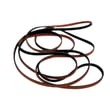
- Drum belt 341241 (drum stops turning, squealing, burning rubber smell)
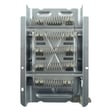
- Dryer element 279838 (no heat or weak heat)
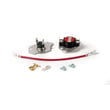
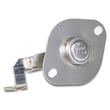
- Cut-off kit 279816 (overheating protection opens, dryer won’t heat)
- Dryer blower wheel WP694089 (poor airflow, rumbling, lint buildup)
Why it matters
A dryer’s “life” is usually limited by heat and airflow problems, not just age. Keeping the venting clear helps the heating system, thermostats, and motor operate in their normal range, which extends service life and reduces drying time.
Last updated: January 2026
Does a dryer thermal fuse reset itself?
No. On Kenmore electric dryer model 11060212990, the thermal fuse (and most thermal cut-offs) is a one-time safety device; once it opens from overheating, it does not reset and must be replaced after you correct the airflow or overheating problem that caused it to trip. See the 11060212990 owner's manual for safety and troubleshooting guidance.
What to do first (before replacing parts)
Restricted airflow is the most common reason a thermal fuse blows. We recommend these checks:
- Clean the lint screen completely.
- Run the dryer 5 to 10 minutes and check strong airflow at the outside exhaust hood.
- Inspect the vent path for crushed, kinked, or lint-clogged ducting.
- Replace plastic or foil venting with rigid or heavy metal venting.
- Confirm the dryer is not operating in a space below about 45°F (cold rooms can cause long dry times and heat buildup).
Parts that are commonly involved
If airflow is good and the dryer still overheats or will not heat, these parts are often tested or replaced together:
| Symptom | Common related part | Example part for this model |
|---|---|---|
| Dryer runs but no heat | Heating circuit safety opened | Cut-off kit 279816 |
| Overheating, cycling issues | Temperature control component | Dryer operating thermostat WP3387134 |
| No heat or weak heat | Heater failure | Dryer element 279838 |
Why it matters
A blown thermal fuse is a warning that the dryer got too hot. Replacing the fuse without fixing the venting or lint restriction usually leads to repeat failures, longer dry times, and higher energy use.
Last updated: January 2026
What are signs of a bad dryer heating element?
A failing heating element in our Kenmore electric dryer model 11060212990 usually shows up as a dryer that tumbles normally but does not heat well enough to dry clothes. You may also notice longer dry times, heat that cuts in and out, or a hot or “electrical” odor during operation.
Common signs you will notice
- Clothes stay damp at the end of a normal cycle, or drying takes much longer than usual
- Dryer runs and tumbles, but there is little to no heat inside the drum
- Heat seems inconsistent (warm for a few minutes, then cool)
- A burning smell during use (not the brief “first-use” odor noted in the manual)
- The house breaker trips during a heated cycle
Quick checks before replacing parts
Before you assume the element is bad, we recommend these practical checks:
- Confirm you are using a heated cycle (not Air Dry)
- After 5 minutes of a heat cycle, open the door and check for heat inside the drum (the manual calls out this exact check)
- Clean the lint screen and make sure airflow is strong at the vent outlet
- Verify the dryer is installed in a space above 45°F; low temperatures can extend drying and affect automatic cycles
- If heat is missing or weak, inspect the heating circuit components (element, thermostats, thermal cut-off)
Parts that commonly cause “no heat” symptoms
In model 11060212990, “no heat” is often caused by one of these heating-system parts:
| Symptom | Most common suspect | What it does |
|---|---|---|
| Tumbles, no heat | Heating element | Heats the air for drying |
| Heats briefly, then stops | Thermal cut-off | Opens if overheating occurs |
| Overheats or cycles oddly | Operating/high-limit thermostat | Regulates drum/exhaust temperature |
If you are replacing the element, use the correct part for this model: dryer element 279838. For overheating-related no-heat issues, the cut-off kit 279816 is a common match.
Why it matters
Running an electric dryer with poor heat or restricted airflow can lead to repeated thermal shutoffs, longer dry times, and unnecessary wear on the motor and drum support parts. Fixing the root cause restores normal drying performance and helps prevent overheating.
For model-specific operating and troubleshooting guidance, use the 11060212990 owner's manual.
Last updated: January 2026
How do I know if my dryer fuse is blown?
On Kenmore dryer model 11060212990, a blown fuse (house fuse or a dryer safety fuse) often shows up as no heat even though the drum turns, or the dryer will not run at all. The sure way to know is to unplug the dryer and test the fuse circuit for continuity with a multimeter; then fix the airflow problem before replacing parts. See the 11060212990 owner's manual.
What “blown fuse” usually means on this model
This dryer can be affected by more than one type of “fuse,” and the symptoms differ.
- House fuses or breaker (240V supply): If one fuse is blown or one breaker leg trips, the dryer can run but won’t heat.
- Dryer thermal cut-off/thermal fuse: A safety device that opens when the dryer overheats; it can cause no heat or no run, depending on the circuit design.
- Timer or control setting: If set to AIR DRY, the dryer runs with no heat (not a blown fuse).
How we recommend checking it (safe, reliable steps)
- Unplug the dryer (or switch off the breaker) before opening any panels.
- Confirm airflow first: run the dryer 5 to 10 minutes and check strong air at the outside exhaust hood.
- Check the power supply: verify the dryer is on a dedicated 30-amp circuit and that fuses/breakers are not tripped.
- Test continuity with a multimeter on the suspected fuse or cut-off; good reads near 0 ohms, blown reads open.
- Correct the cause (usually restricted venting or lint buildup) before installing a replacement.
Quick symptom guide
| Symptom | Most common cause | What to check first |
|---|---|---|
| Drum turns, no heat | One house fuse blown or breaker leg tripped | Reset breaker/replace fuse; verify 240V supply |
| Dryer will not run | Power issue, door not closed, start switch, or safety device open | Door switch, power cord, breaker/fuses |
| Long dry times | Restricted venting or lint screen clogged | Lint screen, vent, outside hood airflow |
Parts that are commonly involved
If testing shows an overheat safety device is open, the correct replacement is typically a thermal cut-off kit for this platform, such as the cut-off kit 279816.
Why it matters
A fuse or thermal cut-off usually opens for a reason. Restoring proper airflow (lint screen, exhaust duct, outside hood) prevents repeat failures, improves drying performance, and helps protect the heating circuit.
Last updated: January 2026