




Where to find model number on Craftsman tiller?
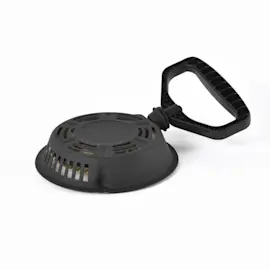
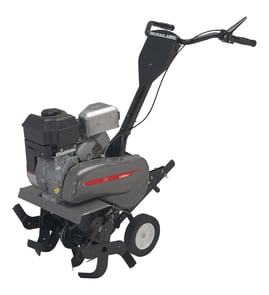
On a Craftsman tiller like model 917298160, you’ll usually find the model number on a sticker or metal tag on the engine area or the main frame. Common spots include the recoil starter housing, under the engine shroud, or near the spark plug.
Most common places to check
Look for a label that lists MODEL (and often SERIAL) and check these areas first:
- Recoil starter housing (pull-start cover)
- Under the engine shroud (sheet metal near the muffler)
- Near the spark plug area on the engine
- On the tiller frame near the handle mount or tine shield
- Near the transmission housing (on some front-tine designs)
What the label looks like (and what to write down)
The tag typically includes a few identifiers. Record them exactly as shown.
| Label item | What it means | Why we need it |
|---|---|---|
| Model number | The exact tiller version | Ensures correct parts match |
| Serial number | Your unit’s unique ID | Helps confirm production run |
| Engine model/type/code (if shown) | Engine identifiers | Helps match engine-specific parts |
If the tag is missing or unreadable
If the sticker is worn off, we recommend these practical next steps:
- Clean the area with a rag and mild degreaser; labels are often hidden under dirt
- Use a flashlight and take a close-up photo; zooming in can reveal faint printing
- Check multiple locations; some units have both an engine label and a frame label
- If you’re replacing hardware while you search, match what you remove to known parts (for example, a fastener like the gripco nut 596322601)
Why it matters
Craftsman tillers can look similar across model families, but small differences in controls, reverse drive, and tine/transmission hardware change the exact replacement parts. Using the correct model number prevents ordering the wrong belt, cable, or fastener.
Last updated: February 2026
Where can I buy Craftsman replacement parts?
You can buy replacement parts for your Craftsman 917298160 front-tine tiller directly from the parts list for this model on Sears PartsDirect. Ordering by model number helps ensure the part fits your 6-hp tiller with reverse.
Best way to get the right part for model 917298160
- Match your model number exactly: 917298160.
- Use the parts diagram and parts list to identify the exact part name and ID.
- Compare the old part to the listing (shape, mounting holes, and hardware size).
- Order common wear items early if you rely on reverse or heavy tilling.
Popular replacement parts available for this model
These are examples of parts we show available for Craftsman 917298160:
| Part type | Example part on this model | What it’s used for |
|---|---|---|
| Belt | Tiller reverse drive belt 599385301 | Reverse drive function and power transfer |
| Hardware | Gripco nut 596322601 | Securing assemblies and brackets |
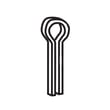
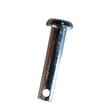
| Pins | Tiller clevis pin 532443676 | Linkage and attachment connections |
| Cable-related | Lawn & garden equipment cable bracket 532009484 | Supporting and routing control cables |
Why it matters
Tillers often have small variations by model and production run; ordering by Craftsman 917298160 reduces returns and downtime, especially for drive components like belts, pins, and cable hardware.
If you are not sure which part you need
- Look for the failed part’s location (handle controls, reverse drive area, tine drive area).
- Note symptoms (reverse slipping, control cable not returning, loose linkage).
- Check for missing fasteners, worn holes, or stretched springs before ordering.
Last updated: February 2026
Are Craftsman tillers any good?
Yes. Craftsman tillers are a solid choice for typical home garden work because they’re built to break up soil efficiently and have widely available replacement parts. For the Craftsman 917298160 6-hp tiller with reverse, long-term “good” performance mainly comes down to routine belt, cable, and hardware upkeep.
What “good” means for a tiller like the 917298160
A tiller is doing its job when it:
- Starts reliably and holds steady engine speed under load
- Pulls forward smoothly and backs up without slipping (reverse drive)
- Keeps tine engagement consistent (no sudden stopping or surging)
- Tracks straight without excessive handle flex or vibration
- Doesn’t eat belts, pins, or fasteners prematurely
Common strengths and common complaints (what we see most)
Craftsman tillers are generally praised for power and soil-turning ability, especially when the tines are sharp and the drive system is adjusted correctly. The most common frustrations are usually maintenance-related: belt wear, cable stretch, and small hardware loosening over time.
Quick check: symptoms and likely causes
| What you notice | Most common cause | What to do first |
|---|---|---|
| Reverse slips or won’t pull | Worn or glazed reverse belt | Inspect/replace the tiller reverse drive belt 599385301 |
| Tines stop under load | Loose linkage or worn pin/retainer | Check fasteners and linkage pins |
| Handle feels loose/wobbly | Loose hardware or worn washers | Tighten and inspect washers/nuts |
| Controls feel “mushy” | Cable stretch or misadjustment | Inspect cable routing and bracket |
Maintenance that makes the biggest difference
- Re-tension and inspect the reverse belt each season; replace if cracked, shiny, or stretched
- Recheck handle and tine hardware after the first hour of use each season (vibration loosens fasteners)
- Keep control cables routed cleanly and secured; a bent bracket can change engagement
- Avoid forcing the machine; take shallow passes in hard or rocky soil
- Clean soil buildup from moving parts after use to reduce wear
Why it matters
A front-tine tiller’s “quality” shows up in the drive and engagement system. When the belt and linkage are in spec, the 917298160 feels strong and predictable; when they’re worn or loose, it can feel underpowered even with a good engine.
Last updated: February 2026