
How do I know what model McCulloch chainsaw I have?
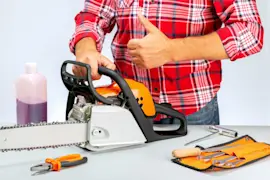
To identify your Mcculloch chainsaw model, we look for the model identification stamp or tag on the saw itself, then match that exact model number to a parts diagram. On many Mcculloch saws, the model is stamped into the crankcase area rather than printed on a large label.
Check these common locations first (clean off oil and sawdust so the characters are readable):
- Underside of the crankcase (often a stamped number)
- Bottom side of the engine cases near the bar mount area
- Near the starter housing or recoil cover
- Around the handle frame area
- On a small ID tag or decal (if it has not worn off)
Mcculloch identification can include a model name plus additional numbers that matter for parts fit.
| What you see on the saw | What it usually means | What to do next |
|---|---|---|
| A short model name (example: “MAC 3516”) | Model family | Keep looking for extra digits or a type code |
| A longer string of numbers | Production or type identifier | Use the full string when searching parts |
| Worn or partial stamp | Incomplete ID | Clean, re-check, and compare multiple locations |
Using the exact model identification prevents ordering the wrong carburetor parts, fuel lines, ignition parts, or bar and chain components.
- Write down every character exactly as stamped (including dashes)
- Take a clear photo in good light and zoom in to confirm characters
- If multiple numbers appear, record them all (model, type, serial)
- Match the model to the correct parts breakdown before ordering
- Search by the full model number on Sears PartsDirect if the parts list you are viewing does not match your stamp
Mcculloch chainsaws often have small mid-production changes. Two saws that look the same can use different fuel system parts, ignition modules, or clutch components, so the full model identification is what ensures correct fit.
Last updated: February 2026
How good are McCulloch chainsaws?
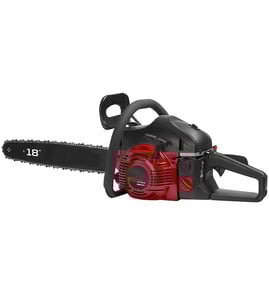
Mcculloch chainsaws are generally strong, durable saws with a reputation for solid cutting power and long service life when they are maintained well. For the Mcculloch MAC gas chainsaw, overall “good” usually means dependable performance, but also more vibration, noise, and weight than many newer homeowner saws.
We see Mcculloch chainsaws perform best for owners who prioritize torque and ruggedness over comfort features.
- Starts consistently with correct fuel mix and a clean carburetor
- Holds chain speed under load (does not bog down in normal cutting)
- Oils the bar and chain reliably (steady light oil line on the bar)
- Cuts straight with a sharp chain and properly set depth gauges
- Idles without the chain creeping (proper clutch and carb adjustment)
Many Mcculloch saws, particularly older or “workhorse” designs, feel more industrial than modern consumer saws.
| What you may notice | What it means for you |
|---|---|
| Heavier build | More fatigue on long cutting sessions, but often very durable |
| More vibration | Numb hands faster; keep mounts and handles tight |
| Louder operation | Hearing protection is a must |
| Fewer modern convenience features | More attention to tuning, chain tension, and maintenance |
Before judging the saw, we recommend these basics because they change how a chainsaw feels immediately.
- Use fresh fuel at the correct 2-cycle mix ratio; discard old mix
- Clean or replace the air filter; a restricted filter causes bogging
- Inspect the spark plug; replace if fouled or worn
- Confirm bar oil is flowing; clean the bar groove and oil port
- Sharpen the chain and set correct chain tension (snug, but still pulls by hand)
A “good” chainsaw is mostly about condition and setup. A sharp chain, correct fuel, and proper lubrication reduce kickback risk, improve cut speed, and prevent premature wear on the bar, chain, clutch, and engine.
For model-specific replacement parts and diagrams for your Mcculloch MAC chainsaw, use the parts list for this model, or search by model number on Sears PartsDirect.
Last updated: February 2026
What size chain is McCulloch MAC?
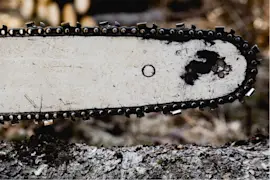
For the Mcculloch MAC gas chainsaw, the correct replacement chain is matched by three specs from your bar and chain: pitch, gauge, and drive-link count. “MAC” alone is not a complete model identifier, so we size the chain to the bar stamp and the chain you’re replacing.
Look for stamped numbers on the guide bar (near the mounting slot) and any markings on the chain.
- Pitch (common chainsaw pitches include 3/8 in. LP, 3/8 in., and .325 in.)
- Gauge (common gauges include .043 in., .050 in., and .058 in.)
- Drive links (DL) (the count of the links that ride in the bar groove)
- Bar length (often 16 in. on many homeowner saws, but confirm your bar)
- Sprocket match (pitch must match the drive sprocket, not just the bar)
| Spec | What it must match | What happens if it’s wrong |
|---|---|---|
| Pitch | Sprocket and bar nose sprocket | Chain will not run smoothly or may not fit |
| Gauge | Bar groove width | Chain binds in the groove or feels loose |
| Drive links | Bar length and mount geometry | Chain is too long or too short to tension |
- Remove the chain and lay it flat.
- Count only the drive links (the “teeth” that sit in the bar groove).
- Use that DL count with the pitch and gauge from the bar stamp to select the chain.
A chain that is the wrong pitch or gauge can derail, bind, or wear the bar and sprocket quickly. Matching pitch, gauge, and DL keeps cutting performance consistent and helps prevent kickback-related handling issues.
Once you have pitch, gauge, and DL, search by those specs and your full model identification on Sears PartsDirect. If you need help locating the model tag, use how to find your appliance model number (and what it means for parts).
Last updated: February 2026