Owner’s manual
 Error Codes



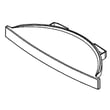
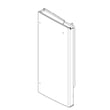
How to remove bottom grille on GE refrigerator?
On the GE GFE28GELDDS bottom-mount refrigerator, the bottom grille (base grille) typically comes off by removing any retaining screws (if present) and then pulling the grille straight out to release the locking tabs. Reinstall by lining it up and sliding it back into place.
Steps to remove the bottom grille
- Unplug the refrigerator or switch off power at the breaker (recommended for safety).
- Look along the top edge of the grille for retaining screws; remove them with a Phillips screwdriver if your unit has them.
- Grip the grille near both ends.
- Pull the grille straight toward you to release the clips or tabs.
- If it feels stuck, pull evenly from both sides; do not twist the grille.
- Set the grille aside on a soft surface to avoid scratching.
If you need to pull the refrigerator out first
Sometimes the grille is easiest to handle with a little more room in front.
- Raise the front leveling legs slightly.
- Pull the refrigerator straight out (avoid sliding it sideways).
- Keep the power cord and water line from getting pinched or rolled over.
- After you finish, push the refrigerator straight back and lower the leveling legs.
What you will usually need
| Task | Common tool | Tip |
|---|---|---|
| Remove retaining screws (if equipped) | Phillips screwdriver | Keep screws together for reassembly |
| Release grille tabs | Hands | Pull straight out, evenly |
| Move refrigerator safely | Adjustable wrench or pliers (leveling legs) | Raise legs before pulling out |
Why it matters
We remove the bottom grille to access the condenser area for cleaning, inspection, or service. A grille that is forced off at an angle can crack the plastic tabs, which can cause rattles or a loose fit later.
For model-specific diagrams and handling notes, use the owner's manual.
Last updated: February 2026
What is the most common problem with a GE refrigerator?
The most common issue we see with GE refrigerators like model GFE28GELDDS is a cooling complaint (fresh food or freezer not staying cold). Right behind that are water/ice system problems (slow dispensing, leaks, or ice maker issues) and noise concerns, many of which are normal operating sounds.
Most common problems (and what to check first)
- Not cooling well: confirm temperature settings, allow 24 hours after first plug-in or a power outage for temps to stabilize.
- Strange noises: humming, fan speed changes, cracking/popping, and water sizzling during defrost can be normal.
- Ice maker not making ice: make sure the ice maker is turned on.
- Water dripping after dispensing: air in the water line can cause dripping; dispense water for at least 5 minutes to purge air.
- Water filter issues: a clogged filter can reduce flow or cause problems; replace the filter or install a bypass plug (if used on your setup).
- Door not closing or doors not aligned: door alignment affects sealing and cooling.
Quick symptom-to-cause guide
| Symptom | Most likely cause | Best first step |
|---|---|---|
| Fresh food warm, freezer OK (or vice versa) | Normal recovery after outage or heavy use | Wait 24 hours; reduce door openings |
| Clicking/chirping from compressor | Restart attempt | Wait up to 5 minutes for restart |
| Drips from dispenser after use | Air in water line | Dispense water 5 minutes |
| Low water flow | Clogged filter | Replace filter or use bypass plug |
| Doors uneven at the top | Door alignment | Adjust with a 1/4-inch Allen wrench |
Why it matters
Cooling, sealing, and water flow problems can cascade. A small door alignment issue can lead to warm temps and excess frost; a clogged filter can strain the dispenser system and reduce ice production.
Where to confirm model-specific steps
Use the troubleshooting and adjustment instructions in the GFE28GELDDS Owner's manual.
Last updated: February 2026
What is the average lifespan of GFE28GELDDS?
A GE bottom-mount refrigerator like model GFE28GELDDS typically lasts 13 years with normal household use. Consistent cleaning, correct temperatures, and good airflow around the cabinet help the compressor and sealed system run efficiently for the full service life.
Typical lifespan and what affects it
Most refrigerators reach their expected lifespan when these basics are kept in check:
- Condenser airflow: dust buildup and blocked vents make the compressor work harder
- Door seal condition: air leaks cause longer run times and moisture issues
- Temperature settings: keep fresh food near 37°F and freezer near 0°F
- Ice maker and water system care: replace the water filter on schedule
- Leveling and door alignment: prevents warm air leaks and frost buildup
Quick maintenance schedule (practical)
| Task | How often | Why it matters |
|---|---|---|
| Clean door gaskets | Monthly | Prevents air leaks and frost |
| Vacuum/brush condenser area | Every 6 to 12 months | Reduces compressor run time |
| Replace water filter (if equipped) | About every 6 months | Protects water flow and taste |
| Verify temps with a thermometer | Seasonally | Confirms proper cooling |
Signs your refrigerator is nearing end of life
If your GFE28GELDDS is approaching the typical 13-year mark, these symptoms often show up first:
- Compressor runs almost constantly or is unusually loud
- Freezer frost returns quickly after defrosting
- Fresh-food temps swing more than a few degrees
- Water dispenser slows down even after a filter change
- Repeated cooling issues after basic cleaning and airflow checks
Why it matters
Knowing the expected lifespan helps us decide whether to troubleshoot a single failure (like a fan, sensor, or door gasket) or plan for a bigger repair. The [owner's manual] also includes care and cleaning guidance and troubleshooting tips that can extend service life.
Last updated: March 2026