Owner’s manual



What is the most common problem with the Samsung washing machine?
For the Samsung WF56H9100AW washer, the most common service issues we see are draining problems and out-of-balance spinning (shaking, thumping, or stopping to rebalance). These are often caused by a clogged drain pump filter, a restricted drain path, or a load that is not distributed evenly; see the WF56H9100AW owner's manual for model-specific guidance.
- Washer will not drain or drains slowly: debris in the drain pump filter, a kinked hose, or a weak drain pump
- Loud banging or heavy vibration in spin: unbalanced load, washer not level, or worn suspension components
- Stops mid-cycle with an error code: commonly tied to drain, fill, or balance detection
- Water not filling correctly: inlet screens clogged or a failing inlet valve
- Leaks at the door area: door boot issues or clamp problems
- Power the washer off, then redistribute the load (avoid washing one heavy item by itself).
- Confirm the washer is level and solid on the floor (all feet firmly planted).
- Clean the drain pump filter and check the drain hose for kinks or clogs.
- Run a rinse and spin cycle empty to see if vibration persists.
- If you get an error code, match it to the correct Samsung front-load list: Samsung front load washer error codes.
If basic checks do not solve it, these parts are frequent culprits on front-load washers:
| Problem area | Common cause | Example part for this model |
|---|---|---|
| No drain / slow drain | Clogged filter or weak pump | Washer drain pump filter DC97-16991A, washer drain pump motor and impeller DC31-00178A |
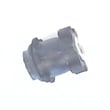
| Shaking / walking | Worn dampers | Samsung washer shock absorber DC66-00470A |
| No fill / fill errors | Valve not opening, clogged screens | Washer water inlet valve (match by symptoms and hose connections) |
Drain and balance problems can trigger repeated cycle interruptions, leave clothes soaking wet, and put extra strain on the tub, motor, and control system. Fixing the root cause early helps prevent bigger repairs later.
Last updated: February 2026
What is the capacity of the Samsung WF56H9100AW?
The Samsung WF56H9100AW is a large-capacity front-load washer with a 5.6 cu. ft. tub, which is designed to handle bulky loads like comforters and multiple towels in fewer cycles. For cycle-specific load guidance, use the WF56H9100AW owner's manual.
A 5.6 cu. ft. washer is considered extra-large for a front-load model. In practical terms, it typically supports:
- King or queen comforters (check the cycle and fabric guidance)
- Large mixed loads (jeans, sweatshirts, towels)
- Fewer loads per week for larger households
- Better room for items to tumble, which can improve rinsing and cleaning
Even with a big tub, overloading reduces wash action and can cause out-of-balance spinning.
- Load loosely; do not pack items down
- Keep items below the top of the drum and allow space to tumble
- Mix large and small items to balance the load
- Use HE detergent and measure carefully to prevent oversudsing
- If the washer shakes or thumps, pause and redistribute the load
| Spec | WF56H9100AW value | Why it matters |
|---|---|---|
| Washer capacity | 5.6 cu. ft. | Determines how much laundry fits per cycle |
| Washer type | Front-load | Typically uses less water and relies on tumbling action |
Capacity affects how many items you can wash at once, how well items tumble, and how often you run cycles. Using the right load size helps prevent vibration, improves cleaning, and reduces wear on suspension parts.
Last updated: February 2026
What is the life expectancy of a Samsung front load washing machine?
A Samsung front-load washer like model WF56H9100AW typically lasts 10 to 15 years. Reaching the high end depends most on routine cleaning, correct detergent use (HE), and preventing chronic vibration, leaks, and drain clogs; these are the issues that shorten washer life fastest.
- Load size and balance: frequent overloading or unbalanced loads strain the tub, bearings, and suspension.
- Drain system care: keeping the pump filter clear prevents slow draining and pump damage.
- Door boot care: wiping the gasket and leaving the door ajar reduces mold and seal deterioration.
- Water quality: hard water increases scale buildup and can affect valves and hoses.
- Vibration control: a level washer reduces wear on shocks and the tub system.
- Run a monthly tub-clean cycle; follow the cleaning steps in the WF56H9100AW owner's manual.
- Use HE detergent and measure carefully; too much soap causes residue and odor.
- Clean the pump filter regularly; replace it if it is cracked or won’t seal (see washer drain pump filter DC97-16991A).
- Inspect the door gasket for tears and mildew; replace if it leaks (see Samsung washer door boot DC64-03067A).
- Level the washer and reduce vibration; worn suspension parts can cause banging (see Samsung washer shock absorber DC66-00470A).
| What you’re seeing | Most common cause | Typical next step |
|---|---|---|
| Won’t drain, stops mid-cycle | Clogged filter or failing pump | Clean filter; test/replace pump if needed |
| Loud banging in spin | Unbalanced load or worn shocks | Rebalance; check suspension |
| Water on floor at front | Door boot/gasket issue | Inspect and replace boot if torn |
| Long fill or no fill | Inlet valve or supply issue | Check screens/hoses; test valve |
A front-load washer’s biggest life-shorteners are water leaks and chronic vibration. Preventing those protects high-cost assemblies like the tub system and motor controls, and keeps performance (spin, rinse, drain) consistent over the years.
Last updated: February 2026
Is the Samsung 4.5 front load washer any good?
Yes. Samsung 4.5 cu. ft. front-load washers like model WF56H9100AW are a strong choice for large loads, efficient cleaning, and generally quiet operation; the main tradeoffs are that front-loaders demand routine gasket and drain-filter maintenance, and they can vibrate if the washer is not perfectly leveled. See the WF56H9100AW owner's manual for cycle features and care steps specific to your washer.
A 4.5 cu. ft. Samsung front-load washer is typically considered “good” when it delivers consistent cleaning, stable high-speed spin, and low odor risk with basic upkeep.
Common strengths
- Large capacity for bedding and bulky items
- High-efficiency water use (HE detergent required)
- Strong stain performance on normal and heavy-duty cycles
- Quieter operation than many top-load designs
- More cycle options (sanitize/steam on some versions)
Most negative experiences trace back to setup, loading, or maintenance rather than a single “bad washer” issue.
| Symptom | Most common cause | First thing we check |
|---|---|---|
| Shakes or walks during spin | Not level, overloaded, or uneven load | Re-level feet; redistribute load |
| Clothes still wet | Too many items, wrong cycle/spin setting | Use higher spin; reduce load size |
| Musty odor | Door boot moisture, detergent buildup | Clean gasket; run tub clean |
| Won’t drain well | Clogged filter or pump restriction | Clean filter; inspect pump hose |
These steps prevent odor, slow draining, and leaks.
- Leave the door slightly open between loads to dry the door boot
- Wipe the door boot folds and glass after the last load of the day
- Use HE detergent; avoid overdosing (extra suds can hurt rinsing)
- Run a monthly tub-clean cycle (or hot cycle with washer cleaner)
- Clean the drain pump filter regularly; a clogged filter can mimic drain problems
For drain-related issues, the washer drain pump filter DC97-16991A is a common service item on this model family.
A front-load washer can last and perform well only if it stays level and stays clean. That directly affects vibration, spin-out dryness, and whether the door boot develops odor or mildew.
Last updated: February 2026