Owner’s manual
 Error Codes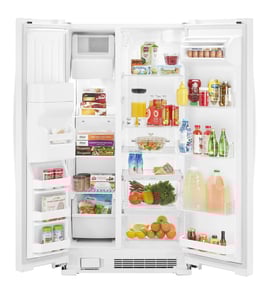



What is the most common problem with a GE refrigerator?
The most common problem we see with GE refrigerators like model GSS23GSKJCSS is a cooling complaint (fresh food too warm, freezer too warm, or temperatures swinging). In many cases, the root cause is airflow or heat removal issues, not the control settings; start with basic checks before replacing parts.
Quick checks that fix many “not cooling” calls
- Confirm both temperature controls are not set to OFF; set to a colder setting if needed.
- If the refrigerator seems “dead,” wait about 30 minutes; it may be in a normal defrost cycle.
- Make sure the power cord is fully seated; reset the breaker if needed.
- Listen for normal sounds (sizzling/popping during defrost, water dripping into the drain pan, brief gurgling after closing the door).
- Verify doors close and seal fully; a poor seal causes warm temps and excess frost.
Common causes (and what they usually look like)
| Symptom | Most likely area | What you can do first |
|---|---|---|
| Freezer OK, fridge warm | Airflow/damper issue | Clear blocked vents; avoid overpacking |
| Both sections warm | Condenser heat removal or sealed system | Clean coils; confirm fans run |
| Frost buildup, warming over time | Defrost system | Check for heavy frost on rear freezer panel |
| No water/slow water, hollow ice | Filter/RO setup or water supply | Replace filter or use bypass plug with RO |
Parts that commonly relate to cooling or airflow issues
If basic checks point to a component problem, these model-compatible parts are common suspects:
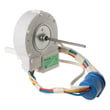
- Refrigerator evaporator fan motor WR60X10307 (moves cold air through the freezer and into the fresh food section)
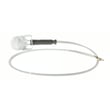
- GE profile refrigerator temperature sensor WR55X10025 (reports temperature to the control)
- Hotpoint refrigerator air damper assembly WR49X10252 (controls cold air flow into the refrigerator section)
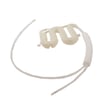
- Refrigerator defrost bi-metal thermostat WR50X10065 (helps manage defrost operation)
Why it matters
Cooling problems can spoil food quickly and can also create secondary issues like frost buildup, noisy operation, and longer run times. Starting with airflow, door sealing, and normal defrost behavior helps you avoid unnecessary part replacement.
For model-specific operating details and troubleshooting charts, follow the GSS23GSKJCSS owner’s manual.
Last updated: January 2026
What is the disadvantage of a side-by-side fridge?
A common disadvantage of a side-by-side refrigerator like the GE GSS23GSKJCSS is reduced usable width in each compartment; wide platters, pizza boxes, and large trays often do not fit as easily as they do in a French door model.
Common side-by-side drawbacks (and what to do about them)
- Narrow shelves: Each side is slimmer, so large items may need to be stored diagonally or on a shelf with bins removed.
- More bending for fresh food: Many fresh-food items end up mid-to-low, so you may crouch more than with a French door layout.
- Freezer organization can be fussy: Tall, narrow freezer shelves make it easier for items to get buried.
- Door swing clearance: Two full-height doors can require more side clearance in tight kitchens.
- Dispenser complexity (if equipped): Ice and water dispensers add moving parts that can need occasional service.
Quick comparison: side-by-side vs French door
| Feature | Side-by-side | French door |
|---|---|---|
| Fits wide platters | Fair | Better |
| Frozen-food access | Very good (eye-level shelves) | Good (drawer style) |
| Fresh-food visibility | Fair | Better |
| Door clearance needs | Often higher | Often lower |
Why it matters
Most day-to-day frustration comes from the narrow compartment width, not cooling performance. If you regularly store wide items (party trays, sheet pans, large leftovers), the layout can drive how convenient the refrigerator feels.
Tips to make a side-by-side easier to live with
- Group foods by zone (snacks, drinks, leftovers) so you open doors less often.
- Use clear bins to prevent “lost” items in the freezer.
- Keep frequently used items at eye level.
- Avoid overpacking; airflow and access both improve.
- For dispenser issues, follow the troubleshooting and care steps in the GSS23GSKJCSS owner’s manual.
Last updated: January 2026
Are GE side-by-side refrigerators good?
GE side-by-side refrigerators like model GSS23GSKJCSS are a solid choice for everyday reliability and convenience; they typically offer strong temperature control, easy organization, and popular features like an ice and water dispenser. For the best experience, routine care (filters, door seals, airflow) matters.
What “good” usually means for a side-by-side
- Consistent cooling: Separate fresh food and freezer sections help maintain stable temps.
- Easy access: Narrow door swing and vertical storage make items reachable.
- Dispenser convenience: Ice and water at the door is a major daily-use benefit.
- Lighting and visibility: Many GE models use LED lighting for better visibility.
- Serviceability: Common wear parts (filters, valves, fans) are replaceable.
Quick pros and trade-offs
| Category | Typical strength | Typical trade-off |
|---|---|---|
| Storage | Tall shelves and door bins; good organization | Freezer can feel narrower for pizza boxes and wide items |
| Features | Ice maker and water dispenser convenience | Dispenser and ice maker can be noisier than a basic, no-dispenser model |
| Maintenance | Straightforward filter changes and cleaning | Skipping filter changes can reduce flow and ice production |
What to check on your GSS23GSKJCSS for best performance
Use the GSS23GSKJCSS owner’s manual to confirm your exact feature set and care steps. These checks improve day-to-day results:
- Keep vents clear in both compartments so air can circulate.
- Set temps to typical targets: 37°F fresh food and 0°F freezer.
- Replace the water filter on schedule; a clogged filter can slow water and ice.
- Clean condenser area periodically to support efficient cooling.
- Make sure doors seal fully; warm air leaks cause frost and temperature swings.
Helpful parts for common “is it working right?” complaints
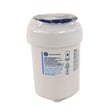
- Low water flow or slow ice: start with the GE refrigerator water filter MWFP.
- Dispenser not dispensing or weak flow: the inlet valve can be involved (for this model, see refrigerator water valve WR57X33326).
Why it matters
A side-by-side can feel “great” or “frustrating” depending on maintenance. Clean airflow, correct temperature settings, and on-time filter changes protect food quality, reduce odors, and help the ice maker and dispenser work consistently.
Last updated: January 2026