Error Codes


What is the average lifespan of a GE refrigerator?
A GE refrigerator typically lasts about 10 to 15 years with normal household use. For your GE GSS25GGHRCBB side-by-side refrigerator, consistent temperatures, clean airflow, and a working defrost system are the biggest factors that help it reach (or exceed) that average.
Typical lifespan and what to expect
Most full-size refrigerators fall into a similar range, but real-world lifespan depends on usage and maintenance.
- Average lifespan: 10 to 15 years
- Common “mid-life” repairs: ice maker and dispenser issues, fan noise, temperature swings
- End-of-life symptoms: repeated warm temps, sealed-system failures, frequent control problems
What shortens (or extends) refrigerator life
A few habits and conditions make a big difference for a side-by-side like the GSS25GGHRCBB.
- Keep condenser area clean so the compressor does not run hot
- Avoid overpacking; blocked vents reduce airflow and strain the evaporator fan
- Fix door seal gaps quickly to prevent moisture, frost, and long run times
- Replace water filters on schedule to protect the dispenser water system
- Address frost buildup early; chronic icing stresses the defrost heater and thermostat
Parts that commonly relate to “aging” symptoms
If your refrigerator is running warm, frosting up, or making new noises, these parts are often involved:
| Symptom | Common system | Example part for GSS25GGHRCBB |
|---|---|---|
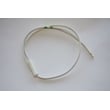
| Temps fluctuate | Temperature sensing | GE profile refrigerator temperature sensor WR55X10025 |
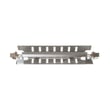
| Frost buildup, warm freezer | Defrost system | Refrigerator defrost heater WR51X10055 |
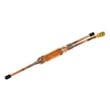
| Frost buildup, defrost not cycling right | Defrost control | Refrigerator defrost bi-metal thermostat WR50X10065 |
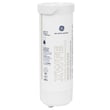
| Water tastes off, slow flow | Filtration | GE refrigerator water filter XWFE |
Why it matters
Knowing the typical 10 to 15 year lifespan helps you decide whether to maintain, repair, or replace. If your GSS25GGHRCBB is under 10 years old, fixing airflow, defrost, or filtration issues often restores performance and helps the refrigerator reach its full service life.
Last updated: February 2026
Are GE side by side refrigerators good?
GE side-by-side refrigerators (including model GSS25GGHRCBB) are a solid, dependable choice for most homes: they typically deliver consistent cooling, convenient freezer access, and widely available replacement parts when wear items like filters, fans, or defrost components need service.
What “good” means for a side-by-side
A side-by-side is usually a good fit when you want easy access to frozen foods and a narrower door swing than many French-door designs.
Common strengths:
- Consistent freezer temperatures for long-term storage
- Easy organization with shelves and door bins on both sides
- Often includes in-door water and ice (more convenience)
- Replacement parts are commonly available for long-term upkeep
Common tradeoffs:
- Narrower refrigerator shelves can limit wide platters and pizza boxes
- Ice and water systems add maintenance (filters, occasional clogs)
- Airflow issues show up faster if vents are blocked by food packages
How to judge your specific GE GSS25GGHRCBB
We recommend evaluating these practical factors, since they predict real-world satisfaction more than brand alone:
- Temperature stability: fresh food around 37°F; freezer around 0°F
- Noise: evaporator fan and compressor sounds should be steady, not grinding or rattling
- Ice and water performance: strong dispenser flow; steady ice production
- Frost control: no heavy frost buildup on the freezer back wall
- Parts support: ability to replace common wear parts instead of replacing the refrigerator
Quick “symptom to likely system” guide
| What you notice | Often points to | Example part on this model |
|---|---|---|
| Warm fridge, freezer OK | Airflow or evaporator fan issue | Motor dc evap fan asm WR60X10307 |
| Frost buildup, warm temps | Defrost system issue | Refrigerator defrost heater WR51X10055 |
| Water tastes off or flow slows | Filter or water path restriction | GE refrigerator water filter XWFE |
| Temps swing up and down | Sensor or control issue | GE profile refrigerator temperature sensor WR55X10025 |
Why it matters
A “good” refrigerator is one you can keep cooling reliably for years. With a side-by-side like the GE GSS25GGHRCBB, routine maintenance (especially water filtration and airflow) and timely replacement of common parts usually makes the biggest difference in performance and lifespan.
Last updated: February 2026
What is the most common problem with a GE refrigerator?
The most common GE refrigerator problem is cooling trouble caused by restricted airflow or a defrost issue, which can show up as warm temperatures, frost buildup on the freezer back wall, or a noisy fan. On model GSS25GGHRCBB, we start by checking the evaporator fan and the defrost system.
Quick checks we recommend first
- Make sure the doors close and seal fully; a small gap can cause frost and poor cooling.
- Set temperatures to normal ranges (freezer around 0°F, fresh food around 37°F).
- Clear blocked vents inside both compartments (don’t pack food tight against air returns).
- Clean dust from the condenser area and confirm the unit has breathing room.
- Listen for the evaporator fan; if it’s not running, cooling will suffer.
Common causes and the parts that often fix them
If you’re seeing frost buildup, warming, or intermittent cooling, these are the most frequent culprits:
| Symptom | Most likely system | Parts commonly involved for GSS25GGHRCBB |
|---|---|---|
| Frost on freezer back wall, fridge warms | Defrost system | Refrigerator defrost heater WR51X10055, refrigerator defrost bi-metal thermostat WR50X10065 |
| Warm temps, weak airflow, fan noise | Air circulation | Motor dc evap fan asm WR60X10307 |
| Temps swing, runs too long/short | Temperature sensing/control | GE profile refrigerator temperature sensor WR55X10025 |
Why it matters
A refrigerator that can’t move air or can’t defrost efficiently will run longer, waste energy, and struggle to hold safe food temperatures. Catching a failing defrost heater, thermostat, or evaporator fan early often prevents heavier frost buildup and repeat warm-ups.
Helpful troubleshooting guidance
- If the freezer is cold but the refrigerator section is warm, focus on airflow (evaporator fan, iced-over evaporator, blocked vents).
- If both sections are warm, check condenser cleanliness and listen for the compressor and fans.
- If you see an error code on the display, use GE refrigerator error codes to narrow the diagnosis before ordering parts.
Last updated: February 2026