Installation guide
 Owner’s manual
 Error Codes


What is the average lifespan of a KitchenAid refrigerator?
A KitchenAid refrigerator typically lasts 13 years on average. For a built-in model like KSSC42FTS00, lifespan depends most on condenser cleanliness, door seal condition, and steady temperatures; following the care and operating guidance in the KSSC42FTS00 owner's manual helps you get the full service life.
Typical lifespan and what affects it
Most refrigerators fail early due to heat stress, airflow restrictions, or poor door sealing. These factors matter even more on built-in units because ventilation space is tighter.
- Keep the condenser area clean and unobstructed
- Make sure doors close fully and gaskets seal all the way around
- Avoid overpacking so air can circulate through shelves and vents
- Set stable temps (about 37°F fresh food, 0°F freezer)
- Replace water filters on schedule if your unit has a dispenser/ice maker
Quick expectations by component
These are common service-life ranges we see across built-in side-by-side refrigerators.
| Item | Typical service life | What shortens it |
|---|---|---|
| Refrigerator (overall) | ~13 years | Dirty condenser, poor airflow, frequent warm door openings |
| Ice maker | 5 to 10 years | Hard water scale, low water pressure, infrequent use |
| Evaporator fan | 8 to 12 years | Ice buildup from defrost issues, worn bearings |
| Sealed system (compressor/evaporator/condenser) | 10 to 15+ years | Overheating, low refrigerant from leaks |
Why it matters
Knowing the average lifespan helps you decide whether to repair or replace. If your KSSC42FTS00 is near the 13-year mark, investing in maintenance (cleaning, sealing, airflow) often prevents the most expensive failures, especially in the sealed refrigeration system.
Maintenance that extends life (high impact)
- Vacuum condenser coils and the grille area regularly
- Confirm the cabinet is level so doors self-close properly
- Keep vents inside the refrigerator and freezer clear
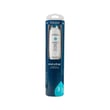
- If water flow slows or ice quality drops, replace the refrigerator water filter EDR3RXD1
Last updated: January 2026
Are four door refrigerators worth it?
Four-door refrigerators are worth it when your household benefits from better organization and less cold-air loss from frequent door openings. Your KitchenAid KSSC42FTS00 is a built-in side-by-side design (not a four-door), but the same “access and organization” tradeoffs still apply when comparing layouts.
What you gain with a four-door design
- More zones for separating fresh foods, snacks, and freezer items
- Less temperature swing because you open a smaller section at a time
- Easier organization for families with multiple people grabbing food
- Better visibility (less digging through stacked items)
What you give up (common downsides)
- Higher purchase price and typically higher repair-part cost
- More door seals and hinges to keep aligned and sealing well
- Slightly less usable space in some models due to extra dividers
- More surfaces to clean
Quick comparison: four-door vs side-by-side
| Feature | Four-door refrigerator | Side-by-side (like KSSC42FTS00) |
|---|---|---|
| Organization | Excellent (more compartments) | Good (tall, narrow sections) |
| Cold-air loss | Often lower | Moderate |
| Freezer access | Wide drawers in many models | Narrow shelves, easy vertical access |
| Long item storage | Usually easier in fresh-food side | Often easier in freezer side |
How to decide for your kitchen
Use these practical checks before you switch styles:
- If you open the refrigerator constantly for drinks and snacks, four-door can reduce warm-ups.
- If you store lots of frozen pizzas, sheet pans, or wide containers, measure carefully; side-by-side can feel narrow.
- If you have a built-in opening, confirm cutout and panel requirements; built-in installs have strict fit and leveling needs.
Why it matters
Layout affects temperature stability, food freshness, and day-to-day convenience. For built-in units like the KitchenAid KSSC42FTS00, installation details (leveling legs, door clearances, and panel weights) also play a big role in long-term performance.
For model-specific installation and handling guidance, use the KSSC42FTS00 installation guide.
Last updated: January 2026
What is the most common problem with a KitchenAid refrigerator?
The most common KitchenAid refrigerator problems are cooling performance issues (warm fridge or freezer), ice maker and water dispenser troubles, and noisy operation. On the KitchenAid KSSC42FTS00 built-in refrigerator, these symptoms are often tied to airflow, temperature sensing, or water filtration and supply.
Most common issues we see (and what they usually point to)
- Fridge or freezer not cold enough: restricted airflow, frost buildup, or a temperature sensor problem
- Ice maker slow or not making ice: water supply restriction, filter clog, or ice maker component failure
- Noisy operation: fan blade interference, worn fan motor, or vibration from panels and covers
- Water tastes bad or flow is weak: overdue filter replacement or air in the water line
- Lights not working when door opens: door switch not closing electrically
Quick checks before replacing parts
- Confirm the controls are set to normal cooling (not “off” or “demo”).
- Make sure vents inside the compartments are not blocked by food packages.
- If you have water and ice issues, replace the filter and purge air from the dispenser.
- Listen for a fan noise that changes when you open the door (often points to an evaporator fan area issue).
- For built-in units, verify the cabinet is level because small leveling changes can affect door alignment and sealing; follow the guidance in the KSSC42FTS00 installation guide.
Parts that commonly solve these symptoms on KSSC42FTS00
| Symptom | Common part to check | Example from our parts list |
|---|---|---|
| Bad taste, slow water, ice issues | Water filter | Refrigerator water filter EDR3RXD1 |
| Warm temps, inconsistent cooling | Temperature sensor (thermistor) | Refrigerator temperature sensor WP2188820 |
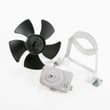
| Noise, weak airflow | Fan blade | Refrigerator evaporator fan blade WP2169142 |
| Lights or dispenser act “door open” | Door switch | Refrigerator light switch W11384469 |
Why it matters
Cooling, ice, and noise complaints usually share one root cause: the refrigerator is not moving air or water the way it should. Fixing the underlying restriction (airflow, filter, door sealing) prevents temperature swings that can spoil food and overwork the sealed system.
For model-specific operating and care steps (including filter and control guidance), use the KSSC42FTS00 owner’s manual.
Last updated: January 2026